Knowing exactly when to switch your furry friend to adult dog food can be tricky. You want to make sure your dog gets the right nutrition at the right time to stay healthy and happy.
But how do you tell when the change is needed? If you’ve ever wondered whether you’re feeding your dog the best diet for their age, you’re not alone. You’ll discover clear signs and simple tips to help you make the transition smoothly—so your dog thrives every step of the way.
Keep reading to find out what you need to know to get it just right.
Signs Your Dog Is Ready
Knowing when to switch your dog to adult food is important for their health. Puppies grow fast, and their needs change. Watch for clear signs that your dog is ready to make the change. These signs help ensure your dog gets the right nutrition at the right time.
Changes In Size And Weight
Your dog will grow quickly during the puppy stage. Watch for a slowing in growth rate. When your dog stops gaining weight rapidly, it may be time to switch. Adult dogs need fewer calories than growing puppies.
Also, check if your dog’s body shape looks more mature. Muscles fill out, and the puppy roundness fades. These changes show your dog is moving to adult size.
Behavioral Shifts
Adult dogs act differently than puppies. Puppies are playful and restless. Adult dogs tend to be calmer and more settled.
Notice if your dog seems less energetic or less curious. These behavior shifts can mean your dog is ready for adult food. Their energy needs change as they grow up.
Veterinarian Recommendations
Your vet knows your dog’s health best. Regular checkups help track your dog’s growth. Vets can tell you the right time to switch food.
Talk to your vet about your dog’s age, weight, and health. They can suggest the best adult food for your dog’s breed and size. Following expert advice keeps your dog healthy and happy.
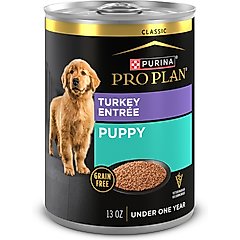
Credit: www.chewy.com
Age Guidelines By Breed
Knowing the right time to switch your dog to adult food depends heavily on their breed and size. Different breeds grow and mature at different rates, so their nutritional needs change accordingly. Paying attention to these age guidelines by breed ensures your dog gets the right balance of nutrients at the right time.
Small Breeds
Small breeds like Chihuahuas and Dachshunds mature quickly, often reaching adulthood by 9 to 12 months. Their metabolism is fast, so they need nutrient-dense food early on. Switching to adult dog food around their first birthday usually works best.
I once delayed the transition for my small breed dog, thinking puppy food was better longer. It caused unnecessary weight gain. Have you noticed your small dog’s energy levels changing as they grow?
Medium Breeds
Medium breeds such as Beagles and Cocker Spaniels typically mature between 12 and 15 months. Their growth phase is a bit longer, so you should watch for signs like slowing growth or decreased appetite before switching. Most owners find that introducing adult food just after their dog’s first year works well.
Keep an eye on their body condition. If your dog seems leaner or less playful, it might be time for the change. Are you tracking your dog’s growth milestones closely?
Large And Giant Breeds
Large breeds like Golden Retrievers and Labrador Retrievers, along with giant breeds such as Great Danes, take longer to mature—often 18 to 24 months. Their bones and joints need careful nutrient support during this extended growth period.
Switching too soon can lead to health issues like joint problems. I’ve seen owners rush the transition, only to regret it when their dog developed stiffness. Would you consider consulting your vet for a tailored feeding schedule for your big dog?
Nutritional Differences
Adult dog food contains different nutrient levels to support growth and energy needs. Transition at the right time to meet your dog’s changing dietary requirements. Nutritional balance helps maintain health and vitality as dogs mature.
Transitioning your dog from puppy food to adult food is more than just a change in kibble size or flavor; it’s about meeting their evolving nutritional needs. As your furry friend grows, their body requires different nutrients to support their health and vitality. Understanding these nutritional differences can make all the difference in your dog’s well-being and longevity.Puppy Vs Adult Nutrient Needs
Puppies have a lot of growing to do, which means their nutritional needs are distinct from those of adult dogs. They require higher levels of certain nutrients like calcium and phosphorus to support bone development. Vitamins and antioxidants are also crucial to bolster their developing immune systems. Adult dogs, on the other hand, have already reached their full size and their nutritional focus shifts to maintenance rather than growth. This means the balance of nutrients changes; they need less calcium and phosphorus but still require quality proteins and fats to maintain muscle and skin health.Calorie And Protein Adjustments
Puppies are bundles of energy, burning calories at a rapid pace as they explore and learn about the world. Their food is packed with calories to fuel this energetic lifestyle. High protein levels are also essential for supporting muscle development and overall growth. Once your dog reaches adulthood, their energy levels might stabilize, meaning they don’t need as many calories. Overfeeding can lead to obesity, so adult dog food generally has a lower calorie content. Protein is still important, but the focus shifts to maintaining muscle rather than building it. Is your dog showing signs of weight gain or loss of energy? These could be indicators that it’s time to adjust their diet. By understanding these nutritional differences, you can make informed choices that help keep your dog healthy and happy.Transitioning Process
Switching your dog to adult food is a key moment in their growth. The transition process needs care to keep your dog comfortable and healthy. Rushing or ignoring signs can upset your dog’s digestion and appetite.
Gradual Food Mixing
Start by mixing a small amount of adult food with your dog’s current puppy food. Over 7 to 10 days, increase the adult food portion while decreasing the puppy food. This slow change helps your dog adjust to new tastes and nutrients without shock.
Try a ratio like 25% adult food and 75% puppy food for the first few days. Then move to 50/50, and finally 100% adult food. This step-by-step method reduces the risk of digestive issues.
Monitoring Digestive Response
Watch your dog’s stool quality closely during the transition. Soft stools or diarrhea can signal that the food change is too fast or the new food isn’t agreeing with your dog. Also, keep an eye on your dog’s energy and eating habits.
If your dog seems lethargic or refuses to eat, pause the transition and consult your vet. Small digestive upsets are normal, but persistent problems need attention.
Avoiding Common Mistakes
- Don’t switch abruptly:Sudden changes can cause stomach upset and food refusal.
- Avoid mixing treats:Adding treats or table scraps during transition can confuse your dog’s digestion.
- Don’t ignore portion sizes:Adult food has different calorie levels. Adjust portions to prevent weight gain or loss.
- Watch out for allergies:New ingredients can cause reactions. Introduce new foods carefully and observe for itching or discomfort.
Have you noticed any sudden changes when switching your dog’s food? Taking it slow and watching closely makes a big difference in keeping your dog happy and healthy during this change.
Special Considerations
Deciding the right time to switch your dog to adult food involves more than just their age. Special considerations like health, activity, and life stage can influence this decision. Paying attention to these factors helps ensure your dog stays healthy and happy during the transition.
Health Conditions
If your dog has any health issues, such as allergies, digestive problems, or kidney concerns, their diet needs careful adjustment. Some adult dog foods might have ingredients that worsen these conditions. Always consult your vet before making the switch—they can recommend formulas suited to your dog’s specific needs.
For example, dogs with sensitive stomachs might benefit from gradual introduction of adult food with limited ingredients. Ignoring these health conditions can cause unnecessary discomfort or worsen existing problems.
Activity Levels
Your dog’s activity level plays a big role in their nutritional needs. Active dogs burn more calories and might require adult foods rich in protein and fat to maintain their energy. On the other hand, less active dogs can gain weight quickly if their diet isn’t adjusted accordingly.
Think about your dog’s daily routine. Are they running around the park or mostly lounging at home? Tailoring their food to match their lifestyle can help prevent weight gain or energy loss.
Pregnant Or Lactating Dogs
Pregnancy and lactation demand extra nutrients from your dog. Switching to a regular adult food during this time might leave your dog and her puppies lacking important vitamins and minerals. Specialized diets formulated for pregnant or nursing dogs provide the necessary support for growth and milk production.
Have you noticed changes in your dog’s eating habits during pregnancy or after giving birth? This is a good time to discuss dietary needs with your vet to make sure she gets the right food for her and her puppies’ health.
Credit: www.chewy.com
Signs Of Poor Transition
Transitioning your dog to adult food should be smooth, but sometimes things don’t go as planned. Recognizing the signs of a poor transition can save your furry friend from discomfort and health issues. Keep an eye out for changes that might indicate your dog isn’t adjusting well to the new diet.
Digestive Issues
One of the first signs that your dog is struggling with the new food is digestive upset. Watch for symptoms like diarrhea, vomiting, or constipation. These issues suggest the food might be too rich or unfamiliar for your dog’s digestive system.
Also notice if your dog has excessive gas or bloating. These subtle signs often go unnoticed but can signal that the transition is too fast or the food ingredients don’t agree with your dog. Adjusting the amount of new food gradually can help ease these problems.
Behavioral Changes
Changes in behavior can be another clue. If your dog suddenly seems lethargic or less interested in play, it might be feeling unwell from the diet change. On the other hand, increased irritability or restlessness can also hint at digestive discomfort or nutrient imbalances.
Have you noticed your dog refusing meals or acting anxious around feeding time? This could mean the taste or texture isn’t appealing, or the food is causing discomfort. Pay close attention to these shifts and consider if the transition is the cause.
Consulting Your Veterinarian
If you spot any of these signs, don’t hesitate to reach out to your vet. They can help determine if the food is suitable or if your dog needs a different formula. Your vet might also recommend supplements or medications to ease the transition.
Sometimes, an underlying health issue can make changing diets harder for your dog. A professional check-up ensures your pet’s health stays on track during this important phase. Would you want to guess at your dog’s health or get expert advice right away?
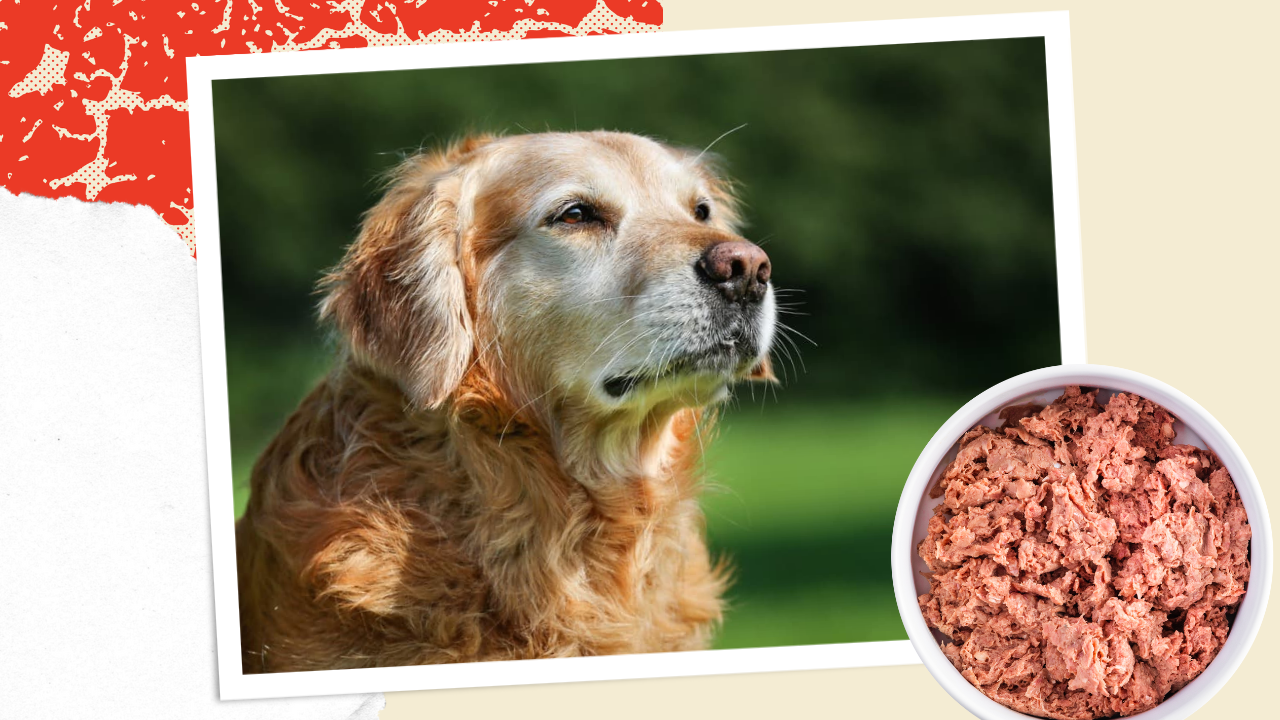
Credit: wefeedraw.com
Frequently Asked Questions
When Is The Right Time To Switch To Adult Dog Food?
Most dogs transition to adult food between 12 and 18 months. Large breeds may need more time. Consult your vet for breed-specific advice.
How To Know If My Puppy Needs Adult Dog Food?
Look for signs like slowed growth and reduced energy needs. Your vet can confirm if your puppy is ready for adult food.
Can Switching Too Early Harm My Puppy?
Yes, switching too soon can cause nutrient imbalances. Puppies need higher protein and calories for growth, so delay until maturity.
What Differences Exist Between Puppy And Adult Dog Food?
Puppy food has more protein, fat, and calories for growth. Adult food supports maintenance and lower energy needs.
Conclusion
Choosing the right time to switch to adult dog food helps keep your dog healthy. Watch your dog’s age, size, and energy to decide the best moment. Gradual changes avoid stomach problems and keep your dog happy. Always check your vet’s advice for your dog’s unique needs.
Feeding the right food supports strong bones and good energy. A smooth transition means a happier, healthier dog every day. Remember, good care starts with good food choices.