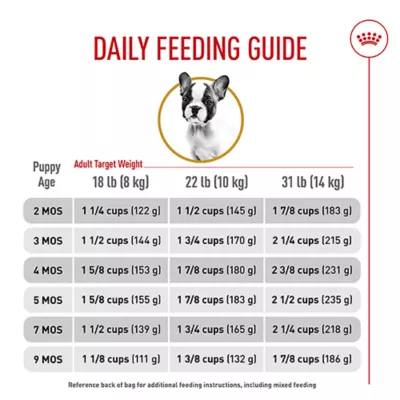

Are you wondering when your puppy should switch to adult dog food? Choosing the right time to make this change is important for your dog’s health and growth.
Feed them too soon, and they might miss out on essential nutrients. Wait too long, and they could gain unwanted weight or face digestive issues. You’ll discover the key signs to look for and expert tips to make the transition smooth and safe.
Keep reading to ensure your furry friend gets the best nutrition at every stage of life.
Puppy Growth Stages
Puppy growth happens in clear stages. Each stage needs different care and nutrition. Knowing these stages helps decide the right time to switch to adult dog food. This ensures puppies get the nutrients they need to grow strong and healthy.
Newborn To Weaning
Newborn puppies rely entirely on their mother’s milk. It has all the nutrients they need. This stage lasts about 3 to 4 weeks. Puppies cannot digest solid food yet. The mother’s milk also gives them important antibodies.
Transition To Solid Food
At about 3 to 4 weeks, puppies start exploring solid food. This is called weaning. Soft, easy-to-digest puppy food is best. Start with small amounts mixed with water or puppy milk replacer. This helps puppies adjust their stomachs to solids.
Rapid Growth Phase
From 6 weeks to about 6 months, puppies grow very fast. They need more calories, protein, and fat. Puppy food supports this rapid growth. Proper nutrition during this phase builds strong bones and muscles. Feeding adult food too early may not meet these needs.
Credit: dogsauce.co
When To Switch To Adult Food
Knowing the right time to switch your puppy to adult food is important. This change supports healthy growth and development. Puppies grow at different rates, so timing varies. Watch your dog’s size and behavior to decide the right moment.
Age Milestones By Breed Size
Small breeds mature faster than large breeds. Small dogs often switch to adult food around 9 to 12 months old. Medium breeds usually change at about 12 months. Large and giant breeds need more time, sometimes up to 18 or 24 months.
| Breed Size | Age to Switch |
|---|---|
| Small | 9-12 months |
| Medium | 12 months |
| Large | 12-18 months |
| Giant | 18-24 months |
Signs Your Puppy Is Ready
- Steady weight gain has slowed or stopped
- Teeth have fully developed
- Energy levels are stable and consistent
- Body shape looks more adult-like
These signs suggest your puppy’s growth is reaching maturity. Changing food now helps meet new dietary needs.
Nutritional Needs Shift
Puppies need more calories and protein for growth. Adult dogs require fewer calories to avoid weight gain. Adult food has balanced nutrients for maintenance, not rapid growth.
Switching to adult food supports healthy bones, muscles, and skin. It helps keep your dog active and strong without extra weight.
Choosing The Right Adult Food
Dogs usually start eating adult food around one year old, but it depends on their size and breed. Large breeds may need adult food later than small dogs. Switching at the right time supports healthy growth and energy.
Choosing the right adult food for your dog is a crucial step in ensuring they lead a healthy and active life. Transitioning from puppy food to adult dog food requires careful consideration of ingredients, dietary needs, and professional advice. With so many options available, how do you choose the best adult food that meets your dog’s unique needs?Key Ingredients To Look For
When selecting adult dog food, it’s important to focus on the ingredients. Look for foods rich in high-quality proteins like chicken, beef, or fish, which support muscle maintenance. Healthy fats such as omega-3 and omega-6 are essential for a shiny coat and healthy skin. Don’t overlook carbohydrates like brown rice or sweet potatoes, providing energy and aiding digestion. Vitamins and minerals, including calcium and phosphorus, are vital for bone health. Check the label and ensure these components are present in adequate amounts.Special Diets And Considerations
Some dogs may have special dietary needs due to allergies, sensitivities, or specific health conditions. If your dog has a sensitive stomach, consider foods formulated with limited ingredients or grain-free options. Dogs with allergies might benefit from hypoallergenic diets containing novel proteins. Weight management formulas are excellent for dogs prone to obesity, helping them maintain a healthy weight without compromising on nutrition. Always consider your dog’s specific needs and consult labels for specialized formulas that match those requirements.Consulting Your Veterinarian
Before making a final decision, consult your veterinarian. They can provide insights based on your dog’s health history and current condition. Veterinarians can recommend specific brands or formulations that cater to your dog’s age, size, and breed. Your vet may also suggest transitioning strategies to avoid digestive upset. Remember, your veterinarian is a valuable resource in ensuring your dog’s diet supports their long-term health. Have you consulted your vet about your dog’s dietary needs recently? It’s a conversation worth having.
Credit: www.chewy.com
Transitioning Your Dog’s Diet
Transitioning your dog’s diet from puppy food to adult food is a crucial step in their growth journey. This change needs to be handled with care to avoid digestive upset and ensure your dog receives the right nutrients. Let’s explore how to make this switch smooth and comfortable for your furry friend.
Gradual Food Introduction
Start by mixing a small portion of adult food with your dog’s current puppy food. Slowly increase the amount of adult food over 7 to 10 days. This slow change helps your dog’s digestive system adjust without causing stomach issues.
Have you noticed your dog’s reaction when you suddenly change their food? A gradual introduction prevents refusal and encourages acceptance of the new diet.
Monitoring For Allergies Or Issues
Watch your dog closely during the transition for any signs of allergies or digestive problems. Look for symptoms like itching, redness, vomiting, diarrhea, or changes in appetite. Early detection allows you to address issues before they become serious.
If you spot any of these signs, consult your vet. Sometimes, a different adult food formula might suit your dog better.
Adjusting Portions And Feeding Schedule
Adult dogs often need fewer calories than puppies, so adjust your portions accordingly. Pay attention to your dog’s weight and energy levels to find the right feeding amount. Feeding schedules might also change; some adult dogs do well on two meals a day instead of three.
Have you checked if your dog is gaining or losing weight during the transition? Proper portion control keeps them healthy and happy.
Common Mistakes To Avoid
Knowing the right time to switch your dog to adult food is important. Many pet owners make mistakes that can affect their dog’s health. Avoiding these common errors helps your dog grow strong and stay healthy. Here are some key mistakes to watch out for.
Switching Too Early Or Too Late
Changing your dog’s food too early can cause nutrient gaps. Puppies need special food for growth. Switching late means they miss important nutrients for adults. Watch their age and size to pick the right time. Follow vet advice to avoid feeding problems.
Ignoring Breed-specific Needs
Small and large breeds have different food needs. Large breeds need food that supports joint health. Small breeds need food for fast metabolism. Ignoring these needs can lead to health issues. Choose food made for your dog’s breed size and type.
Overfeeding Or Underfeeding
Giving too much food causes obesity and health risks. Too little food leads to weakness and poor growth. Measure food portions carefully. Check your dog’s weight and energy levels. Adjust the amount to keep your dog fit and active.
Benefits Of Timely Food Transition
Switching your dog to adult food at the right time brings clear benefits that go beyond just changing their diet. This transition supports their overall health and well-being, helping them thrive throughout their adult years. Paying attention to when and how you make this switch can make a noticeable difference in your dog’s life.
Supporting Healthy Growth
Adult dog food is formulated to meet the nutritional needs of fully grown dogs. If you delay the transition, your dog might get too many calories or the wrong balance of nutrients, which can affect their development.
On the other hand, switching too early can leave your dog lacking essential nutrients needed during their growth phase. Timing the transition correctly ensures your dog gets the right fuel to build strong muscles and maintain healthy bones.
Preventing Obesity And Health Problems
Adult formulas usually have fewer calories and fat compared to puppy food. This helps you avoid overfeeding and reduces the risk of obesity, which is a common problem in dogs that remain on puppy food too long.
Obesity can lead to joint issues, diabetes, and heart problems. By switching your dog’s food at the right age, you actively protect their long-term health and keep costly vet visits at bay.
Enhancing Energy And Vitality
Adult dog food supports a steady energy level suited to your dog’s activity, unlike puppy food, which is designed for high energy growth stages. This adjustment helps your dog stay alert and active without feeling sluggish or overexcited.
Have you noticed your dog’s energy dipping or acting overly hyper? Sometimes, the answer lies in their diet. Choosing the right food at the right time can improve your dog’s mood and overall vitality.
Credit: www.chewy.com
Frequently Asked Questions
When Should Puppies Switch To Adult Dog Food?
Puppies typically switch to adult dog food between 12 to 18 months. Large breeds may take longer, up to 24 months. This ensures balanced nutrition for growth and development. Consult your vet to determine the best time based on your dog’s breed and size.
Why Is Timing Important For Changing Dog Food?
Switching food too early or late can affect your dog’s health. Early switching may cause nutrient deficiencies, while late switching can lead to obesity. Proper timing supports optimal growth, energy levels, and overall well-being. Always transition gradually over 7 to 10 days.
How To Transition A Dog To Adult Food?
Mix increasing amounts of adult food with puppy food over 7 to 10 days. This helps your dog adjust digestion and taste preferences. Monitor for any digestive upset during the transition. A slow change reduces stress and promotes acceptance of the new diet.
What Are Signs My Dog Needs Adult Food?
Signs include slowing growth, decreased energy, and reaching physical maturity. Adult food suits their nutritional needs better at this stage. If your dog is no longer growing or has adult teeth, it’s likely time to switch. Always consult your vet for confirmation.
Conclusion
Choosing the right time to switch your dog to adult food matters. Most dogs start adult food between 9 and 12 months old. Small breeds may switch earlier, large breeds later. Watch your dog’s growth and energy for clues. Healthy food helps your dog stay strong and happy.
Always check with your vet for the best advice. Feeding the right food at the right age keeps your dog healthy and active. Simple steps make a big difference in your dog’s life.