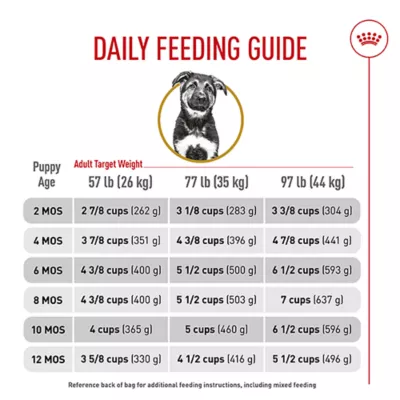

If you have a German Shepherd puppy, you’re probably wondering when it’s time to switch from puppy food to adult dog food. Feeding your dog the right food at the right age is crucial for their health and growth.
Giving adult dog food too early can cause problems, while waiting too long might slow down their development. You’ll discover the exact signs to watch for and the best time to make this important change. Keep reading to ensure your German Shepherd stays strong, healthy, and happy every step of the way.
Puppy Growth Stages
Understanding the puppy growth stages is key to knowing when your German Shepherd should start eating adult dog food. Each stage brings unique nutritional needs and physical changes that affect their diet. Watching these stages closely helps you make the right feeding choices to support your puppy’s health and development.
From Newborn To Weaning
During the first few weeks, German Shepherd puppies rely entirely on their mother’s milk. This milk provides all the nutrients they need for rapid growth and immune support. You might notice they sleep a lot and feed frequently—this is normal and essential for their development.
By around 3 to 4 weeks, puppies begin the weaning process. This means they gradually start moving away from milk to softer, more solid foods. You’ll see them showing interest in their mother’s food or specially prepared puppy mush.
Transition To Solid Food
Introducing solid food is a delicate phase. Start by mixing puppy kibble with water or puppy formula to make it easier to chew and digest. Offer this blend several times a day while still allowing access to their mother’s milk.
Keep an eye on how your puppy reacts. Are they eating enthusiastically? Any signs of upset stomach? Gradually reduce the milk as their appetite for solid food increases, usually by 7 to 8 weeks old.
Growth Milestones
By the time your German Shepherd hits 6 months, their growth rate slows, but they still need high-quality nutrition. At this stage, their teeth, bones, and muscles develop rapidly, requiring balanced protein, fats, and vitamins.
Ask yourself: Is your puppy showing stable weight gain and energy levels? If yes, they’re likely ready to start transitioning to adult dog food soon—usually between 12 and 18 months, depending on their size and activity.
Tracking these milestones helps you tailor your feeding plan. This way, you give your German Shepherd exactly what they need at every step.
Signs Of Readiness For Adult Food
Knowing when your German Shepherd is ready to switch from puppy food to adult dog food is key to supporting their health and growth. Watching for clear signs of readiness helps you make the transition at the right time. These signs often show up in their physical growth, behavior, and changing nutritional needs.
Physical Development
Your German Shepherd’s body size and weight give strong clues about their readiness for adult food. Most German Shepherds reach about 80% of their adult size by 9 to 12 months old. Their bones and muscles become more solid, and their baby teeth are fully replaced by adult teeth.
Check if your dog’s growth has started to slow down. Are they no longer as puppy-chubby? These signs mean their body is shifting from rapid growth to maintenance, and adult food can support this change better.
Behavioral Changes
Behavior can reveal when your dog’s metabolism and energy levels are adjusting. You might notice your German Shepherd is less hyperactive and more settled. Their appetite might also change—sometimes they eat less frequently but with bigger meals.
Has your dog become more independent or less demanding about food? These shifts can signal that their digestive system is ready to handle adult food formulas. Watching these cues helps avoid switching too early or too late.
Nutritional Needs
Puppy food is rich in calories and nutrients to fuel fast growth, but adult food focuses on maintaining health and energy. By around one year old, your German Shepherd’s nutritional needs change—they require fewer calories but need balanced nutrients for joint health and coat maintenance.
Look for products designed specifically for adult large breeds to support their unique requirements. Are you aware that feeding puppy food too long can lead to obesity or nutrient imbalances? Adjusting their diet at the right time keeps your dog active and healthy for years.
Recommended Age To Switch
Switching your German Shepherd to adult dog food is a vital step in their development. This transition ensures they receive the right nutrients for their adult life. Knowing the right time to make this switch is essential for their health and well-being.
General Age Guidelines
Most German Shepherds start eating adult dog food around 12 months. Puppies grow rapidly in their first year, needing extra nutrients. Adult food helps maintain their health as they mature.
Breed-specific Considerations
German Shepherds are large breed dogs with unique nutritional needs. Their growth rate and size impact when they should transition. Some may benefit from starting adult food a bit later, around 15 months.
Veterinarian Advice
A veterinarian can provide personalized advice for your dog. They consider your dog’s health, weight, and growth rate. Regular check-ups help determine the best time to switch foods.
Choosing The Right Adult Dog Food
Choosing the right adult dog food is a crucial step when transitioning your German Shepherd from puppy to adult diet. The food you pick will affect their energy, health, and overall happiness. It’s not just about switching bags—it’s about finding a formula that fits their changing needs perfectly.
Nutrient Requirements
Your German Shepherd needs a balanced diet that supports their active lifestyle and muscle maintenance. Look for foods rich in high-quality protein sources like chicken, beef, or fish. Protein helps maintain strong muscles and supports their immune system.
Fat is also important for energy and healthy skin. Avoid foods with too much filler; your dog needs nutrient-dense meals. Don’t forget essential vitamins and minerals, such as calcium and phosphorus, for bone health and joint support.
Quality Ingredients
Check the ingredient list carefully—whole meats should be near the top. Ingredients like “meat by-products” or “animal digest” don’t provide the same value. You want real, recognizable foods.
Grains can be okay but watch for fillers like corn or wheat that offer little nutrition. Many German Shepherds thrive on formulas with vegetables, fruits, and natural antioxidants. These help keep their digestion smooth and their coat shiny.
Avoiding Common Pitfalls
Beware of foods with excessive artificial additives or preservatives—they can cause allergies or digestive problems. Some brands use misleading labels like “natural” without strict standards. Always research the brand’s reputation and recall history.
Another pitfall is feeding too much or too little. Measure portions and adjust based on your dog’s activity level and weight changes. How often do you check your dog’s weight and energy after switching food? Paying attention to these details can save you from costly vet visits later.
Transitioning Process
Transitioning your German Shepherd from puppy to adult dog food is a delicate phase that requires patience and attention. This process helps avoid digestive upset and ensures your dog gets the right nutrients at every stage. How can you make this switch smooth and stress-free for both you and your dog?
Gradual Food Mixing
Start by mixing a small amount of adult dog food into your German Shepherd’s current puppy food. Over a week or two, slowly increase the proportion of adult food while decreasing the puppy food.
This gradual change allows your dog’s digestive system to adjust without causing stomach upset. Sudden switches can lead to diarrhea or loss of appetite, which you want to avoid.
Monitoring Health And Behavior
As you transition, watch your dog closely for any signs of discomfort or changes in behavior. Look for symptoms like vomiting, diarrhea, or unusual lethargy.
Check your dog’s stool consistency and appetite daily. If any problems persist, it might be worth consulting your vet before continuing the transition.
Adjusting Portions
Adult dog food has different calorie and nutrient levels, so your German Shepherd’s meal size may need adjusting. Pay attention to your dog’s weight and energy levels during the switch.
Keep a feeding journal to note how much food your dog eats and how active they are. This helps you find the right portion size without overfeeding or underfeeding.

Credit: gsdcolony.com
Common Mistakes To Avoid
Feeding your German Shepherd the right food at the right time is very important. Many dog owners make mistakes that can affect their pet’s health and growth. Knowing what to avoid helps your dog stay strong and healthy. Here are some common mistakes to watch out for when switching to adult dog food.
Switching Too Early
Changing to adult food before your German Shepherd is ready can cause problems. Puppies need special nutrients to grow properly. Adult food lacks some of these essential nutrients. Wait until your dog is about 12 to 18 months old before switching. Rushing this change may lead to stomach upset or slow growth.
Ignoring Individual Needs
Every dog is different. Some German Shepherds grow faster, while others take more time. Watch your dog’s weight, energy, and health. Adjust feeding based on these signs, not just age. Consult your vet if you are unsure about the best time to switch foods. Ignoring your dog’s unique needs can lead to poor health.
Overfeeding Or Underfeeding
Feeding too much or too little adult food harms your German Shepherd. Overfeeding causes weight gain and joint problems. Underfeeding can make your dog weak and tired. Follow the feeding guidelines on the food package. Monitor your dog’s weight and adjust portions as needed. Balance is key for healthy growth and energy.
Signs Your Dog May Need A Different Diet
Knowing when to change your German Shepherd’s diet is key to keeping them healthy and happy. Sometimes, the signs that your dog needs a different food aren’t obvious. Watching closely for these signs can help you make the switch at the right time, avoiding discomfort or nutritional gaps.
Digestive Issues
If your German Shepherd starts having frequent stomach upsets, it might be time to rethink their food. Symptoms like diarrhea, vomiting, or excessive gas can indicate that their current diet isn’t agreeing with their digestive system anymore.
Pay attention to how often these issues occur and whether they follow mealtimes. A diet change could soothe their tummy and improve digestion quickly.
Energy Levels
Have you noticed your dog seems more tired or less playful than usual? A drop in energy can signal that their food isn’t providing the right nutrients or calories.
Adult dog food is designed to support steady energy, unlike puppy food that fuels growth. If your German Shepherd is slowing down, it might be time to switch to food that matches their adult needs.
Coat And Skin Health
Watch your dog’s coat and skin closely. A dull coat, excessive shedding, or itchy skin can all point to diet-related issues.
Quality adult dog food often contains nutrients like omega-3 fatty acids, which support skin and coat health. Changing their diet might restore that shiny, healthy look you expect.
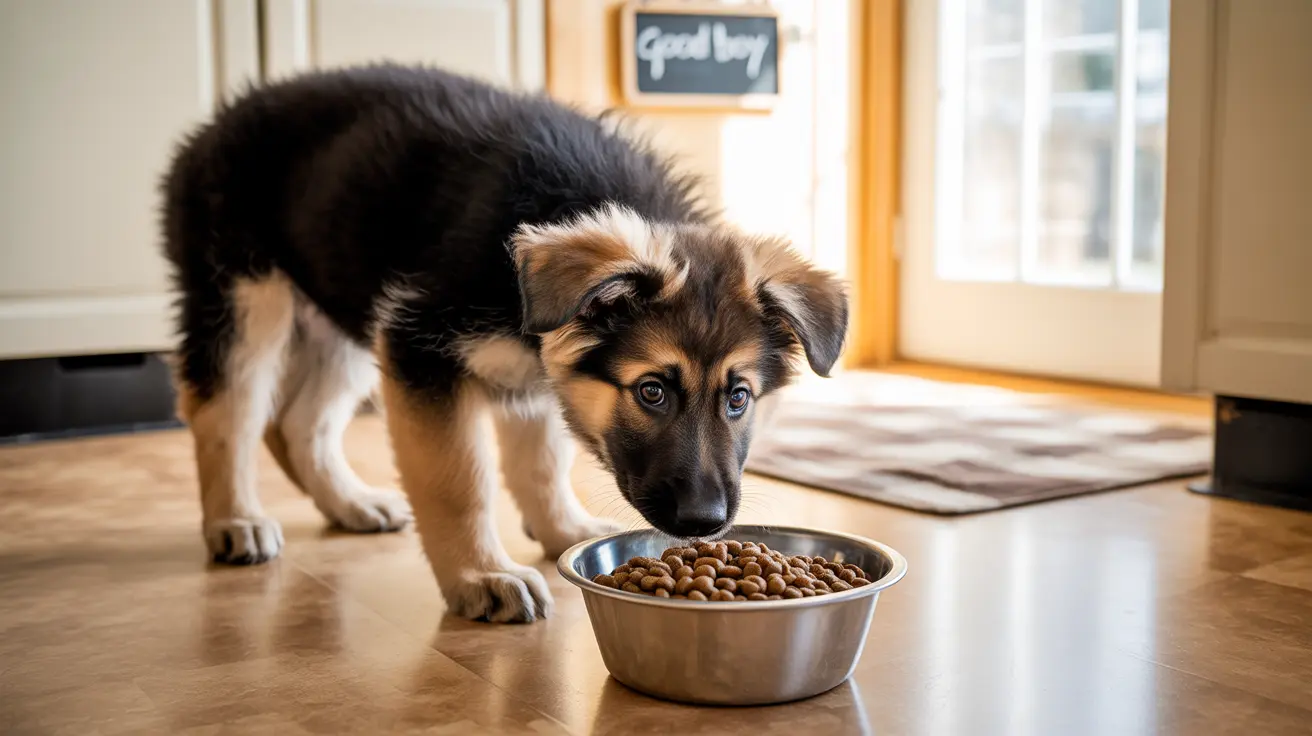
Credit: www.petscare.com
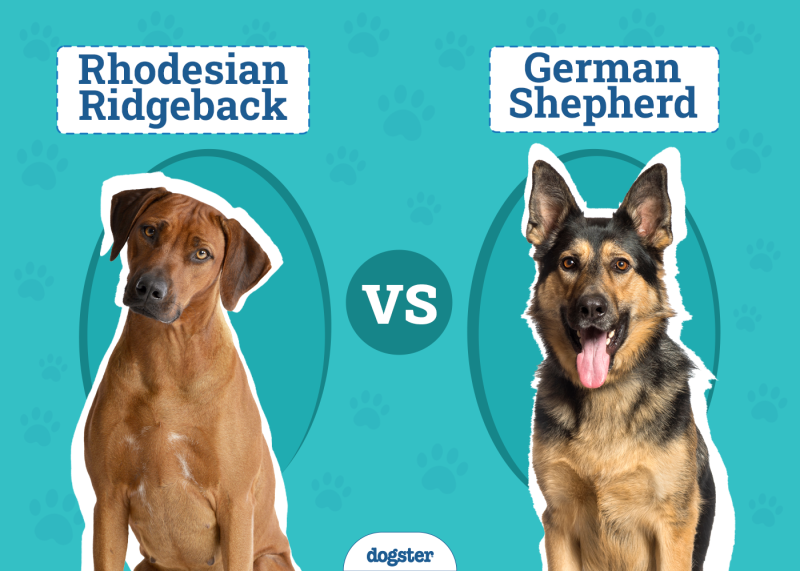
Credit: www.dogster.com
Frequently Asked Questions
When Do German Shepherds Start Adult Dog Food?
German Shepherds typically start adult dog food at 12 months. This timing supports their growth and energy needs. Transition gradually over 7-10 days to avoid digestive issues. Consult your vet to tailor feeding based on your dog’s health and activity level.
Why Switch German Shepherd To Adult Food?
Switching to adult food provides balanced nutrition for matured dogs. Puppy food has extra calories and nutrients that adult dogs no longer need. Adult formulas support maintenance, energy, and joint health specific to German Shepherds’ life stage.
How To Transition German Shepherd To Adult Food?
Mix increasing amounts of adult food with puppy food over 7-10 days. Start with 25% adult food and 75% puppy food. Gradually adjust proportions daily until fully transitioned. Monitor your dog for digestive upset during this period.
What Happens If German Shepherds Eat Puppy Food Too Long?
Feeding puppy food too long may cause weight gain and nutrient imbalance. Excess calories can lead to obesity and joint stress. It may also disrupt digestion and cause deficiencies. Switching to adult food on time ensures optimal health.
Conclusion
German Shepherds usually start eating adult dog food around one year old. This helps support their growing muscles and energy needs. Watch your dog’s size, weight, and activity to decide the right time. Switching too early or late can cause stomach issues or poor growth.
Always choose high-quality adult food made for large breeds. Consult your vet for advice tailored to your dog’s needs. A smooth change helps your German Shepherd stay healthy and strong. Keep feeding routines consistent and enjoy watching your dog thrive.