
You want the best for your puppy, especially when it comes to their food. But how do you know the right time to switch from puppy food to adult dog food?
Feeding your puppy the wrong food for too long can affect their growth and health. On the other hand, switching too soon might leave them missing important nutrients. If you’ve been wondering, “When should I start feeding my puppy adult dog food?
”—you’re in the right place. Keep reading to discover clear signs and expert tips that will help you make the best choice for your furry friend’s health and happiness.
Puppy Nutrition Basics
Puppy nutrition lays the foundation for a healthy adult dog. Proper feeding supports growth, energy, and immune health. Puppies need food that meets their unique needs. Their diet helps build strong bones, muscles, and a shiny coat. Understanding these basics helps you choose the right food and the right time to switch to adult dog food.
Essential Nutrients For Puppies
Puppies need a balance of nutrients for healthy development. Protein is vital for muscle growth and repair. Fat provides energy and supports brain development. Carbohydrates supply fuel for daily activities. Vitamins and minerals strengthen bones and boost immunity.
- High-quality protein from meat or fish
- Healthy fats like omega-3 and omega-6
- Calcium and phosphorus for bone growth
- Antioxidants such as vitamins E and C
- Essential amino acids for body functions
Growth Stages And Diet Needs
Puppies grow fast in the first year. Their diet needs change with each stage. Young puppies need more calories and nutrients. As they approach adulthood, their energy needs decrease. Switching to adult dog food supports steady health and weight. Watch your puppy’s size and activity level to decide the best time for the change.
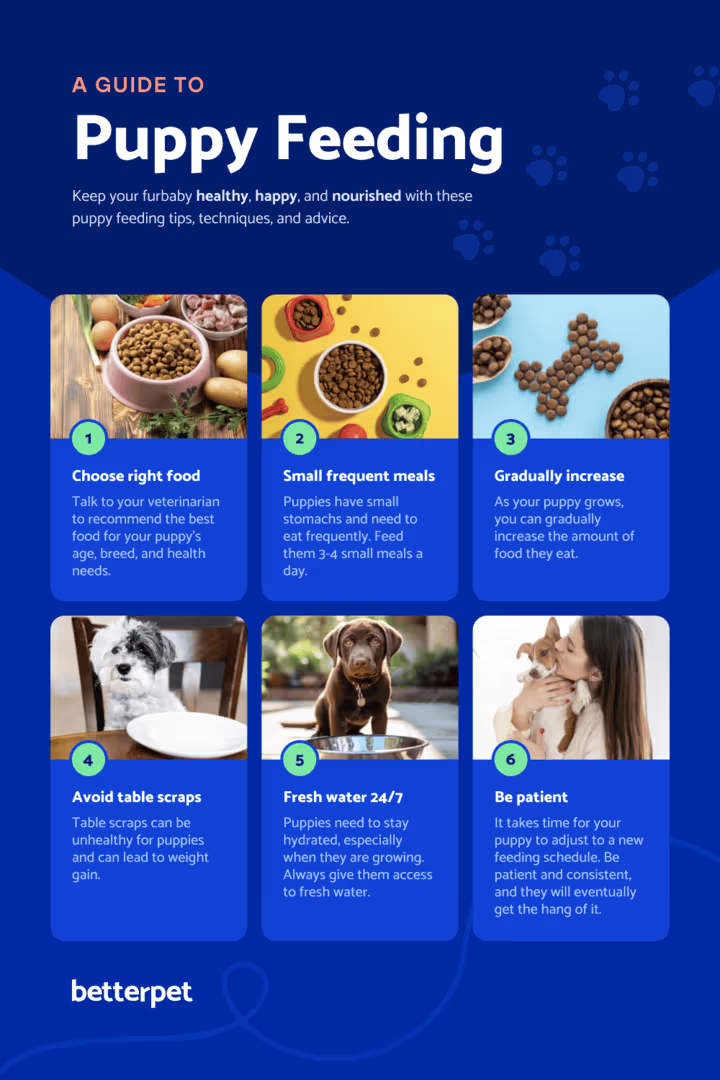
Credit: www.betterpet.com
Signs Puppy Is Ready For Adult Food
Knowing when your puppy is ready to switch to adult dog food can feel tricky. Watching for clear signs helps you make the change at the right time. This ensures your pup stays healthy and gets the right nutrition for their stage of life.
Physical Growth Milestones
Your puppy’s size and weight are key clues. Most small to medium breeds reach their adult size around 9 to 12 months, while larger breeds may take up to 18 months. When your puppy looks fully grown and their coat is thick and shiny, it might be time to change their diet.
Observe how your puppy’s teeth are developing too. Adult teeth usually come in by six months, signaling a shift in nutritional needs. If you notice your puppy filling out and gaining muscle, that’s another sign they are ready for adult food.
Behavioral Changes
Changes in your puppy’s energy levels can indicate readiness for adult food. Younger puppies tend to be hyperactive, but as they mature, their activity becomes steadier and less erratic. You might see your puppy calming down and focusing more during playtime or training sessions.
Also, appetite shifts often occur. If your puppy starts eating less frequently or seems less interested in puppy food, it’s a hint they may need food formulated for adults. Have you noticed your puppy acting more independent or less playful? These subtle changes often go hand in hand with their nutritional transition.
Vet Recommendations
Your veterinarian is the best resource for deciding when to switch foods. They can assess your puppy’s growth, health, and breed-specific needs. During regular check-ups, ask your vet if your puppy is ready for adult food and what brands or formulas they suggest.
Sometimes, underlying health issues affect the timing of this change. Your vet can guide you on how to switch gradually to avoid digestive upset. Don’t hesitate to bring up any concerns about your puppy’s eating habits or weight during visits.
Timing For Switching To Adult Food
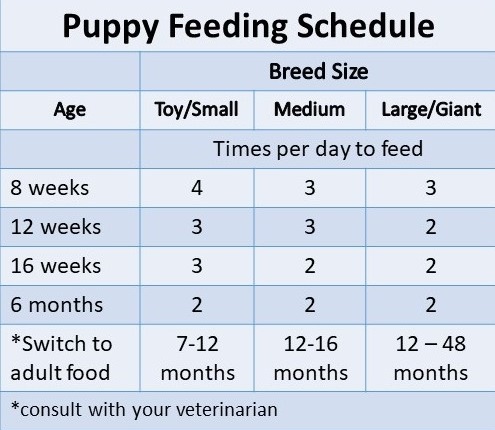
Puppies usually switch to adult food around one year old. Watch their growth and energy to choose the right time. Changing gradually helps their digestion adjust smoothly.
Timing for Switching to Adult Food Deciding when to switch your puppy to adult dog food can be a pivotal moment in their development. The timing affects their growth, health, and happiness. But how do you know the right moment to make the change?Breed Size Considerations
Different breeds mature at different rates. Small breeds like Chihuahuas may reach adulthood by 9 months, while large breeds like Great Danes might take up to 18 months. Knowing your dog’s breed size can guide you in making the right food transition.Age Guidelines
A general rule is to start transitioning most puppies to adult food between 12 to 18 months. However, check with your vet for personalized advice. They can consider factors like your puppy’s growth rate and health.Gradual Transition Process
Switching to adult dog food should be gradual to avoid digestive issues. Start by mixing a small amount of adult food with their puppy food. Over the course of a week or two, gradually increase the proportion of adult food. A sudden change can upset your puppy’s stomach. Have you ever switched foods abruptly and noticed your puppy wasn’t feeling well? Avoid that discomfort by taking it slow. Monitoring their reaction to the new food is crucial. Keep an eye on their stool, energy levels, and overall behavior. Any concerns should be discussed with your veterinarian. Is your puppy ready for the switch? Understanding the right timing and method can make all the difference for their health and happiness.
Credit: www.thinkjinx.com
Choosing The Right Adult Dog Food
Choosing the right adult dog food is crucial for your puppy’s health as they transition to adulthood. The food you select will support their energy, growth, and overall well-being. It’s important to understand what makes a high-quality adult dog food and how to match it to your dog’s unique needs.
Key Ingredients To Look For
Look for dog food with high-quality protein sources like chicken, beef, or fish listed as the first ingredient. Proteins help maintain muscle mass and keep your dog active.
Healthy fats such as omega-3 and omega-6 fatty acids support skin and coat health. Whole grains or vegetables provide essential fiber for digestion.
Watch out for fillers like corn or soy, which offer little nutritional value. Your dog deserves real, nutrient-rich ingredients that fuel their daily activities.
Special Diets And Sensitivities
Does your dog have allergies or a sensitive stomach? Some dogs need grain-free or limited-ingredient diets to avoid digestive upset.
Consult your vet if you notice signs like itching, vomiting, or diarrhea after meals. Tailoring your dog’s diet to their sensitivities can prevent discomfort and improve their quality of life.
Remember, not all adult dog foods suit every dog. Finding the right formula might take some trial and error, but your dog’s comfort is worth the effort.
Brand Quality And Reviews
Choose brands that prioritize transparency about their ingredient sourcing and manufacturing processes. Trusted brands often publish detailed nutritional info and conduct feeding trials.
Read customer reviews to see how other dog owners rate the food’s palatability and effectiveness. Have you noticed how some brands consistently receive positive feedback for improving coat shine or energy levels?
Don’t hesitate to ask your vet for recommendations. Their experience with different brands can guide you toward safe and reliable options.
Common Mistakes During The Switch
Switching your puppy from puppy food to adult dog food is a critical step that requires attention and care. Many pet owners make avoidable mistakes during this transition, which can affect your dog’s health and appetite. Understanding these common errors can help you make the switch smoother and safer for your furry friend.
Switching Too Early Or Late
Timing is everything when changing your puppy’s diet. Switching too early can deprive your puppy of essential nutrients needed for growth. On the other hand, waiting too long to switch might lead to unnecessary calorie intake and obesity risks.
Have you noticed your puppy’s energy levels dropping or gaining excess weight? These signs might indicate that the timing of the food switch needs adjustment. Consult with your vet about the right age and weight milestones to start the transition.
Sudden Diet Changes
One big mistake is switching to adult food overnight. Abrupt changes can upset your puppy’s stomach and cause digestive issues like diarrhea or vomiting. A gradual introduction over 7-10 days helps your puppy’s system adjust comfortably.
- Start by mixing 25% adult food with 75% puppy food.
- Gradually increase the adult food proportion every few days.
- Watch for any signs of discomfort and slow down if needed.
This slow approach avoids unnecessary stress for your puppy and helps maintain consistent eating habits.
Ignoring Puppy Preferences
Every puppy has unique taste preferences and some may resist new food textures or flavors. Ignoring these preferences can lead to food refusal and nutritional gaps. Pay attention to what your puppy enjoys and try different adult food options if needed.
Have you tried mixing in a bit of warm water or broth to make the new food more appealing? Small tweaks can make a big difference in your puppy’s willingness to accept adult food. Remember, patience and observation are key during this phase.
Monitoring Your Dog After The Switch
Switching your puppy to adult dog food is a big step. Careful watching after the switch helps your dog stay healthy. This period shows how well your dog adapts to the new food. Pay close attention to changes in weight, appetite, and energy. These signs give clues about your dog’s health and diet needs.
Tracking Weight And Health
Check your dog’s weight regularly. Use a scale at home or visit the vet for accurate readings. Sudden weight loss or gain needs quick action. Look for changes in coat shine, skin condition, and stool quality. These details show how well the food suits your dog.
Adjusting Portions
Your dog’s appetite may change after the switch. Start with the recommended portion size on the food package. Watch how much your dog eats and adjust portions carefully. Avoid overfeeding to prevent weight gain. Underfeeding can cause energy loss and poor growth. Balance is key to healthy growth and activity.
When To Consult A Vet
Seek vet advice if you notice:
- Persistent diarrhea or vomiting
- Loss of appetite for more than two days
- Sudden weight changes
- Unusual behavior or lethargy
- Skin irritation or hair loss
The vet can suggest diet changes or check for health problems. Early help prevents serious issues and keeps your dog happy.
Credit: dogsauce.co
Frequently Asked Questions
When Is The Best Age To Switch Puppy Food?
Most puppies should switch to adult dog food between 9 to 12 months. Large breeds may switch later. Consult your vet for breed-specific advice.
How To Transition Puppy To Adult Dog Food?
Gradually mix adult food with puppy food over 7-10 days. Increase adult food amount daily to avoid digestive upset.
Why Switch From Puppy To Adult Dog Food?
Adult dog food meets nutritional needs of mature dogs. Puppy food has higher calories and nutrients for growth, which adult dogs don’t require.
Can I Feed Adult Dog Food To My Puppy?
Feeding adult dog food to puppies can cause nutritional deficiencies. Puppies need more protein and calories for proper growth and development.
Conclusion
Feeding your puppy adult dog food at the right time is important. Watch for signs like size and energy changes. Most dogs switch around one year old, but breeds differ. Always choose food that fits your dog’s needs. Healthy eating supports growth and keeps your dog strong.
Talk with your vet if unsure about the change. A smooth transition helps your dog feel good and stay active. Remember, good food builds a happy, healthy dog for life.