
Are you wondering when the right time is to switch your puppy to adult dog food? It’s a common question that many dog owners face, and getting it right can make a big difference in your pup’s health and growth.
Feeding your puppy too early or too late can lead to problems, but don’t worry—you’re about to learn exactly when and how to make this important change. Keep reading, because what you do now will help your furry friend stay strong, happy, and healthy for years to come.
Credit: www.petsmart.ca
Puppy Growth Stages
Understanding your puppy’s growth stages is crucial for deciding the right time to switch from puppy food to adult dog food. Each stage demands different nutrients to support their development. Knowing what your puppy needs at each phase will help you make better feeding choices and keep your furry friend healthy.
Newborn To Weaning
During the newborn stage, puppies rely entirely on their mother’s milk. This milk provides all the nutrients they need for the first few weeks. You don’t need to add any solid food during this time; in fact, introducing anything else too early can upset their digestion.
Have you noticed how puppies sleep and nurse almost constantly during this phase? That’s because their bodies are busy growing rapidly, and mother’s milk supports this perfectly.
Transition To Solid Food
The transition usually starts around 3 to 4 weeks old. This is when puppies begin to explore solid food alongside nursing. You’ll want to introduce a soft, easily digestible puppy food mixed with water or puppy formula to create a gruel.
It’s important to do this gradually to avoid stomach upset. Watch your puppy’s reaction closely—are they eager to eat, or do they hesitate? Adjust the texture and amount based on their comfort.
Rapid Growth Phase
Between 8 weeks and about 6 months, puppies enter a period of rapid growth. Their energy needs skyrocket, and high-quality puppy food is essential to meet these demands. This phase requires more protein, fat, and calories than adult dogs.
Feeding adult dog food too early can cause nutrient deficiencies. Have you ever noticed a puppy seeming tired or not growing well? It might be due to inadequate nutrition at this stage. Stick with puppy-specific food until their growth slows down and they reach about 80% of their adult size.

Credit: forthglade.com
Differences Between Puppy And Adult Food
Puppy food and adult dog food differ greatly to meet each stage’s needs. Puppies grow fast and need extra nutrients. Adult dogs require a balanced diet to maintain health. Understanding these differences helps choose the right food for your dog’s age.
Nutritional Needs
Puppies need more vitamins and minerals for growth. Their food supports bone development and strong muscles. Adult dogs need fewer growth nutrients but more maintenance nutrients. Their food focuses on joint health and a healthy coat.
Calorie Content
Puppy food has more calories to fuel growth and play. Puppies burn energy quickly and need extra fuel. Adult dog food has fewer calories to avoid weight gain. Adult dogs have slower metabolisms and need less energy.
Protein Levels
Puppies require higher protein for muscle and tissue growth. Protein helps build a strong and healthy body. Adult dog food has moderate protein to maintain muscle mass. Too much protein for adults can strain kidneys.
Ideal Age To Switch
Knowing the right time to switch your puppy to adult dog food can be crucial for their development and long-term health. The transition isn’t just about age; it’s about recognizing when your puppy’s nutritional needs change. You might wonder, how do you know when it’s time to make the switch? Let’s break it down into key factors to consider.
Breed Size Considerations
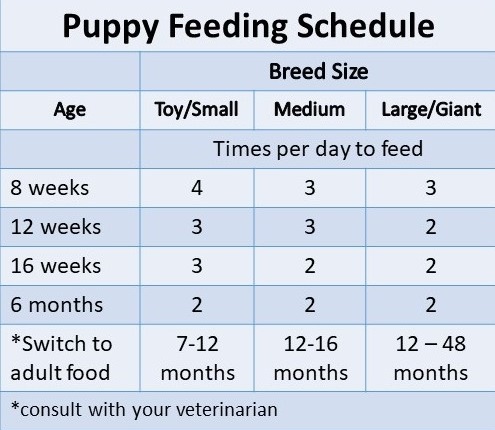
Breed size plays a significant role in determining when to switch to adult food. Small breeds mature faster and can often transition to adult food as early as 9 months. In contrast, larger breeds may not reach maturity until 18-24 months. Consider your puppy’s breed size before making the switch.
Think about your puppy’s growth rate. If they are a large breed, they may require puppy food longer to support their growing bones and joints. Knowing your puppy’s breed size can guide you to the right time for dietary changes.
Weight And Development Signs
Weight gain and development milestones are indicators of readiness for adult food. Is your puppy reaching the expected weight for their age and breed? A healthy weight gain suggests they are getting the right nutrients from their current diet.
Look for physical signs like muscle development and energy levels. If your puppy is active and has a healthy coat, it’s a good sign they are ready for the transition. Observe your puppy’s eating habits as well; are they still enthusiastic about their puppy food, or are they showing interest in adult food?
Veterinarian Recommendations
Your vet is an excellent resource for advice on transitioning your puppy to adult food. Regular check-ups can help monitor your puppy’s growth and health, ensuring you’re on the right track. Your vet can provide tailored advice based on your puppy’s specific needs and development.
Don’t hesitate to ask your vet about the right timing for this dietary change. They can help you understand the nutritional needs specific to your puppy’s breed and lifestyle. Trust their expertise to guide you in making the best decision for your furry friend.
Signs Your Puppy Is Ready
Puppies grow fast. Knowing when to change their food is key. Feeding adult dog food too early can upset their health. Watch for clear signs your puppy is ready for this change. These signs help you make the right decision.
Teeth Development
Puppies start losing baby teeth around four months old. Adult teeth usually come in by six months. Firm teeth mean your puppy can chew harder food. This shows readiness for adult dog food texture. Soft puppy food is not needed as much now.
Digestive Maturity
Puppy stomachs are sensitive at first. Over time, their digestion improves. By six months, many puppies handle adult food better. Look for fewer tummy upsets and solid stools. This signals the digestive system can manage new food types.
Behavioral Changes
Growing puppies show changes in energy and appetite. They may eat less often but want more food at once. Your puppy might seem less playful and more independent. These changes suggest they need more nutrients from adult food. Watch how your puppy acts during feeding times.
How To Transition Smoothly
Transitioning your puppy to adult dog food requires care and patience. A smooth change helps avoid digestive issues and keeps your pup happy and healthy. Let’s look at how you can make this switch easy for both you and your furry friend.
Gradual Mixing Method
Start by mixing a small amount of adult dog food with your puppy’s current food. Begin with about 25% adult food and 75% puppy food for a few days.
Slowly increase the adult food portion while decreasing the puppy food over 7 to 10 days. This gradual change helps your puppy’s stomach adjust without sudden upset.
Have you noticed how some puppies seem picky at first? Mixing foods gently can ease this transition and make mealtime more enjoyable.
Monitoring For Reactions
Watch your puppy closely for any signs of discomfort during the switch. Look out for vomiting, diarrhea, or changes in appetite.
If you spot any issues, slow down the transition or consult your vet. Some puppies may need more time to adapt or a different adult formula.
Keeping a simple food diary can help you track any reactions and spot patterns you might miss otherwise.
Adjusting Portion Sizes
Adult dogs often need fewer calories than puppies, so adjust meal portions accordingly. Overfeeding can lead to weight gain and health problems.
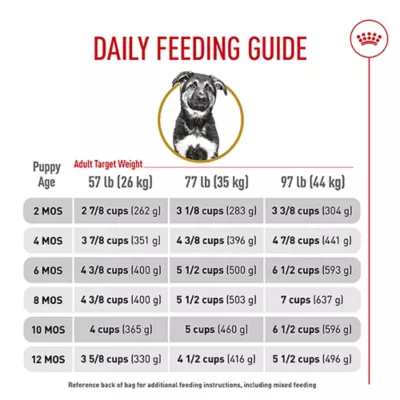
Check the feeding guidelines on the adult food package and consider your dog’s activity level and size. You might need to fine-tune portions over a few weeks.
Ask yourself: Is your puppy maintaining a healthy weight and energy level? If not, tweak the amount of food or consult a vet for advice.
Credit: www.thinkjinx.com
Common Mistakes To Avoid
Feeding puppies adult dog food too soon or in the wrong way can cause health problems. Avoiding common mistakes helps your puppy grow strong and healthy. Pay close attention to their needs and make changes carefully.
Switching Too Early
Puppies need special food for growth. Adult dog food lacks the nutrients they require. Switching too early can lead to poor development. Wait until your vet says your puppy is ready. Usually, this is around one year old.
Abrupt Food Changes
Changing food suddenly can upset your puppy’s stomach. It can cause diarrhea or vomiting. Introduce new food slowly over 7-10 days. Mix a small amount of adult food with puppy food. Gradually increase the adult food portion each day.
Ignoring Puppy’s Needs
Each puppy grows at its own pace. Watch for signs like weight loss or low energy. These may mean the food change is too soon. Consult your vet if you notice problems. Adjust the diet based on your puppy’s health and behavior.
Special Considerations
Feeding your puppy adult dog food isn’t a one-size-fits-all decision. Several special factors affect the right timing for this transition. Understanding these can help you make the best choice for your puppy’s health and growth.
Small Vs. Large Breeds
Small and large breed puppies grow at very different rates. Small breeds usually reach adulthood faster, often ready for adult food around 9 to 12 months. Large breeds, however, continue growing for up to 18-24 months and need puppy food longer to support their bone and joint development.
Switching large breed puppies too early to adult food can lead to nutritional gaps. Have you noticed how quickly your small dog seems to mature compared to a Great Dane puppy? That difference matters when planning their diet.
Health Issues
Some puppies have health problems that affect when they should change diets. Puppies with digestive problems may need a slower transition or specialized adult food. Your vet can help decide if your puppy’s health calls for customized feeding plans.
Watch for signs like upset stomach, lack of energy, or poor coat condition during the switch. These symptoms might mean the new food isn’t right yet or needs adjustment.
Puppies With Allergies
Allergies add another layer of complexity to feeding choices. If your puppy has food allergies, abrupt changes can trigger reactions. Introduce adult food slowly, and choose formulas free from allergens your puppy reacts to.
Have you tried elimination diets or allergy testing for your puppy? These can pinpoint safe ingredients and prevent discomfort during feeding transitions.
Frequently Asked Questions
When Should I Switch My Puppy To Adult Dog Food?
Switch your puppy to adult dog food between 9 to 12 months old. Large breeds may need longer, up to 18 months. This helps meet their changing nutritional needs as they grow and develop.
How To Know If My Puppy Is Ready For Adult Food?
Watch for signs like slower growth and reduced energy. Your vet can confirm if your puppy’s development is complete. These signals mean it’s time to transition to adult dog food.
Can Feeding Adult Food Too Early Harm Puppies?
Yes, feeding adult food too early can harm puppies. It may lack essential nutrients for growth, causing developmental issues. Always follow vet advice on the right time to switch food.
What Are The Benefits Of Adult Dog Food For Puppies?
Adult dog food supports maintenance needs rather than growth. It has balanced nutrients for adult metabolism. Switching at the right time prevents obesity and nutrient imbalances in your dog.
Conclusion
Puppies need special food to grow healthy and strong. Switching to adult dog food too early can cause problems. Most dogs do well with adult food after one year old. Watch your puppy’s size, energy, and health to guide you.
Always choose good quality food that fits your dog’s needs. Talk to your vet if you are unsure. Feeding the right food helps your dog live a happy, long life. Careful timing makes a big difference. Your puppy will thank you with a wagging tail.