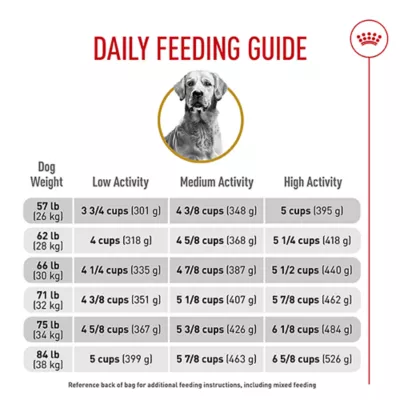

Are you wondering how many cups of food your adult dog should eat each day? Feeding your dog the right amount is key to keeping them healthy and happy.
Too much food can lead to weight gain, while too little might leave them hungry and low on energy. You’ll discover simple guidelines that make mealtime easier and help you take the best care of your furry friend. Keep reading to find out exactly how much food your dog needs to stay fit and full of life.
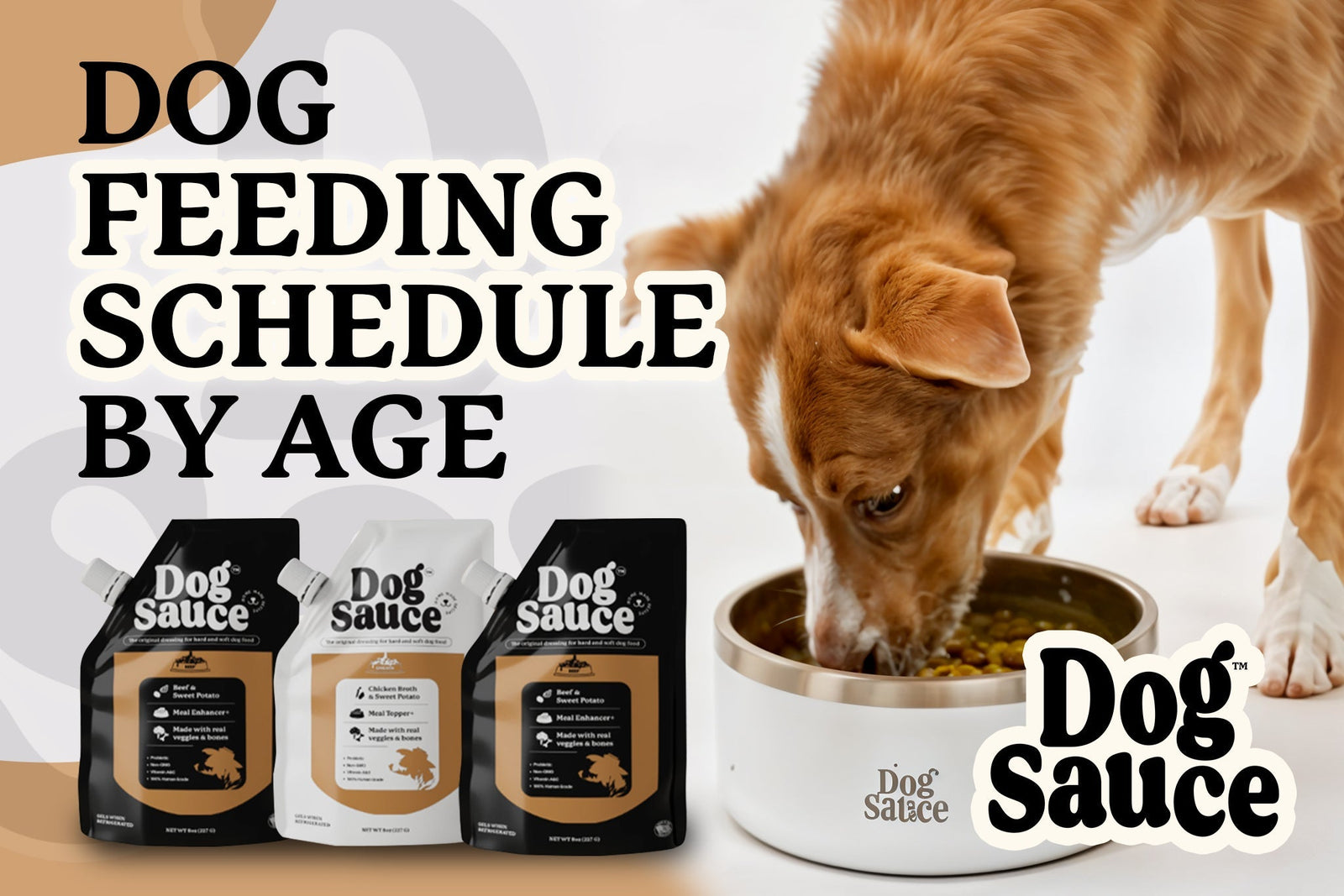
Credit: dogsauce.co
Daily Food Needs
Understanding the daily food needs of an adult dog is essential for maintaining its health. Dogs require the right amount of food each day to stay energetic and avoid weight problems. The quantity depends on several factors that influence how much your dog should eat. Knowing these details helps provide balanced nutrition and supports a happy, healthy pet.
Factors Affecting Intake
Each dog’s food intake varies. Size plays a big role. Larger dogs need more food than smaller ones. Age also matters. Older dogs often eat less than younger adults. Activity level affects how much energy a dog uses. Active dogs burn more calories and need more food. Health status can change appetite and needs. Pregnant or nursing dogs require extra nutrition. Breed can influence metabolism and food preference.
Calorie Requirements
Calories fuel a dog’s daily activities. The right calorie amount keeps dogs fit and strong. Adult dogs generally need between 20 to 30 calories per pound of body weight daily. For example, a 50-pound dog may need 1000 to 1500 calories each day. Overfeeding leads to obesity. Underfeeding can cause weakness and poor health. Check your dog’s weight regularly to adjust food amounts. High-quality dog food labels often show calorie content. Use this information to measure the correct serving size.
Measuring Dog Food
Measuring dog food is important for keeping your dog healthy and happy. Serving the right amount helps control weight and ensures proper nutrition. It is easy to measure food accurately with simple tools. Consistency in feeding helps avoid overfeeding or underfeeding your dog.
Using Standard Cups
Standard measuring cups are common and easy to use. Many dog food bags list feeding amounts in cups. Use a dry measuring cup for best results. Fill the cup to the top without packing the food down. Level the food with a flat edge for an accurate measure.
Different dog foods have different sizes and shapes. This can affect how much fits in a cup. Check the food label to see if a cup is the recommended measure. Using the same cup each time keeps portions consistent.
Weighing For Accuracy
A kitchen scale gives the most precise measurement. Weighing food helps avoid guesswork. It is especially useful for small dogs or special diets. Place a bowl on the scale and zero it out. Add food until you reach the recommended weight.
Weighing food can be faster after practice. It also helps track your dog’s daily intake better. Some pet owners prefer weighing over cups for accuracy. This method reduces the risk of feeding too much or too little.
Feeding By Dog Size
Feeding your dog the right amount of food is crucial. Different sizes require different amounts of food. Proper nutrition keeps them healthy and active. Let’s explore the feeding needs by dog size.
Small Breeds
Small breeds need less food than larger ones. They have faster metabolisms, though. This means they burn energy quickly. Feed them 3/4 to 1 1/2 cups daily. Divide this into two meals. Ensure the food is high-quality. It should meet their nutritional needs.
Medium Breeds
Medium breeds have moderate energy needs. They require around 1 3/4 to 2 1/2 cups per day. Split this into two meals as well. Keep their diet balanced and nutritious. Consider their activity level, too. Active dogs may need more food.
Large Breeds
Large breeds eat more due to their size. They need 3 to 4 cups daily. Divide it into two meals for better digestion. They grow rapidly, so proper nutrition is key. Choose a diet that supports their joints and bones. Monitor their weight to avoid obesity.
Adjusting Portions
Adjusting your adult dog’s food portions is key to keeping them healthy. Dogs have different needs based on several factors. Feeding the right amount helps maintain a good weight and energy level. Watch your dog’s body shape and behavior to guide portion sizes.
Activity Level Impact
Active dogs need more calories than less active ones. Working dogs or those who play a lot burn more energy daily. They require larger food portions to stay strong and healthy. Dogs with low activity need smaller meals to avoid weight gain. Adjust food portions based on how much your dog moves each day.
Age And Health Considerations
Older dogs usually need fewer calories than younger adults. Their metabolism slows down, so smaller portions help prevent obesity. Health conditions like diabetes or kidney problems affect food needs. Consult your vet to find the best portion for your dog’s age and health. Regular check-ups help adjust food amounts as your dog ages or health changes.
Choosing The Right Food
Choosing the right food for your adult dog is more than just picking a brand off the shelf. It means understanding what kind of food suits their lifestyle, health needs, and taste preferences. The right choice affects how much food your dog needs and how well they digest it.
Dry Vs. Wet Food
Dry food, or kibble, is convenient and helps keep your dog’s teeth clean through chewing. It’s easy to store and usually lasts longer after opening. However, some dogs find wet food more appealing because of its texture and stronger aroma.
Wet food contains more moisture, which can help with hydration, especially if your dog doesn’t drink enough water. It’s also softer, which is great for dogs with dental issues or picky eaters. But wet food can be more expensive and needs refrigeration after opening.
- Consider your dog’s chewing ability and preferences.
- Think about convenience and storage space.
- Balance moisture content with your dog’s hydration habits.
Nutritional Content
Check the label for the right balance of protein, fats, and carbohydrates. Adult dogs usually need diets rich in protein to maintain muscle but not too high in fat to avoid weight gain. Ingredients like chicken, beef, or fish should be among the first listed.
Look for foods with added vitamins and minerals such as calcium and omega-3 fatty acids. These support bone health and a shiny coat. Avoid foods with excessive fillers like corn or soy, which offer little nutritional value.
| Nutrient | Importance | Good Sources |
|---|---|---|
| Protein | Muscle maintenance and energy | Chicken, beef, fish |
| Fats | Energy and skin health | Fish oil, chicken fat |
| Carbohydrates | Energy and digestion | Rice, sweet potatoes |
| Vitamins & Minerals | Overall health and immunity | Added supplements, natural ingredients |
Think about what your dog really needs based on their activity level and health. Would a higher protein food support their energy better? Or does your dog require a diet that supports joint health? You know your dog best—use that insight to pick food that fits.
Credit: www.petmd.com
Feeding Schedule Tips
Setting a good feeding schedule helps keep your dog healthy and happy. Consistency is key. Dogs thrive on routine. Feeding at the same times each day supports digestion and energy levels. It also helps control their weight and prevents begging or overeating.
Meal Frequency
Adult dogs usually eat twice a day. Morning and evening meals work well. This schedule fits most lifestyles and helps dogs digest food better. Smaller, frequent meals avoid hunger between feedings. Some dogs may do fine with one meal a day, but two is ideal for most.
- Feed at regular times daily.
- Split total daily food into two portions.
- Adjust meal times to your routine.
Avoiding Overfeeding
Overfeeding can cause weight gain and health problems. Measure food portions carefully using a standard cup. Avoid free-feeding or leaving food out all day. Watch your dog’s weight and body shape. Cut back on treats if your dog gains weight.
- Use a measuring cup for accuracy.
- Stick to recommended daily food amounts.
- Limit treats to 10% of daily calories.
- Observe your dog’s weight regularly.
Monitoring Dog’s Weight
Monitoring your dog’s weight is essential for their health. It helps ensure they get the right amount of food daily. Keeping a close eye on weight changes can prevent many health issues. Regular checks support a long, happy life for your pet.
Recognizing Weight Changes
Watch your dog’s body shape often. Look for a visible waist behind the ribs. Feel the ribs—they should be easy to touch, but not seen. A sudden gain or loss in weight needs attention. Small changes might mean the food amount is off.
- Check weight weekly with a scale.
- Notice changes in energy or movement.
- Look for signs like a potbelly or ribs showing.
When To Consult A Vet
Speak to a vet if weight changes fast or without clear reason. Sudden weight loss or gain can signal illness. The vet can adjust food plans and check for health problems. Regular vet visits help keep your dog at a healthy weight.
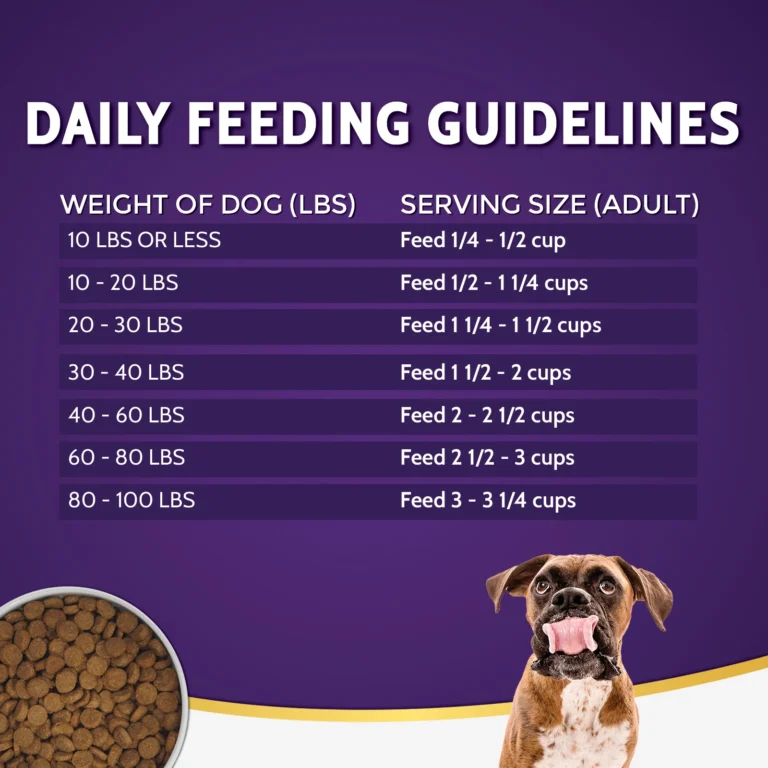
Credit: zignature.com
Frequently Asked Questions
How Many Cups Of Food Should An Adult Dog Eat Daily?
An adult dog typically needs 2 to 3 cups of food daily. This varies by breed, size, and activity. Consult your vet for precise portions.
Does Dog Size Affect Daily Food Cup Requirements?
Yes, larger dogs require more food, often 3 to 4 cups daily. Smaller dogs need less, around 1 to 2 cups. Adjust servings accordingly.
How Does Activity Level Impact Adult Dog Food Portions?
Active dogs burn more calories and may need extra food. Sedentary dogs require fewer calories and smaller portions. Monitor weight for balance.
Can Feeding Frequency Change Daily Cup Amounts For Dogs?
Feeding frequency affects portion size but not total daily food. Split daily cups into two or three meals for better digestion and energy.
Conclusion
Feeding an adult dog the right amount matters a lot. Too much food can cause weight gain and health problems. Too little food can leave your dog hungry and weak. Pay attention to your dog’s size, age, and activity level.
Check the feeding guide on the dog food package. Adjust portions as needed and watch your dog’s weight. Healthy eating keeps your dog happy and active. Always ask your vet if unsure about the right amount. Simple steps lead to a healthier dog every day.