Are you wondering if it’s okay to feed your adult dog dry puppy food? You want the best for your furry friend, but the confusion around dog food options can be overwhelming.
Giving your adult dog the wrong food might affect their health and energy. Keep reading to discover the facts you need to make the right choice for your dog’s diet and well-being. This simple change could make a big difference in your dog’s happiness and health.
Differences Between Puppy And Adult Dog Food
Understanding the differences between puppy and adult dog food is essential before deciding whether to feed your adult dog dry puppy food. These two types of food are formulated to meet the unique needs of dogs at different life stages. Feeding your adult dog with puppy food might seem harmless, but it can have unintended effects on their health and well-being.
Nutritional Needs For Puppies
Puppies require more calories per pound of body weight than adult dogs because they are growing rapidly. Their diet needs to support the development of bones, muscles, and organs, which means higher levels of protein and fat.
Additionally, puppies need essential nutrients like DHA, an omega-3 fatty acid important for brain and eye development. Puppy food also contains higher levels of vitamins and minerals to fuel their active growth phase.
Adult Dog Dietary Requirements
Adult dogs generally have slower metabolisms and lower energy needs compared to puppies. Their food is designed to maintain a healthy weight and support overall health rather than promote growth.
Adult dog food usually contains fewer calories and fat to prevent obesity. It also includes nutrients that help maintain joint health, skin condition, and immune function for long-term wellness.
Key Ingredient Variations
The ingredient list in puppy food often includes richer sources of protein like chicken or lamb, and more fats to meet energy demands. Adult dog food tends to have balanced protein and fat levels with added fiber to aid digestion.
You might notice puppy food is softer or smaller in kibble size to accommodate their developing teeth. Some adult dog foods include ingredients to support dental health, such as larger kibble that helps reduce plaque.
Have you ever checked the back of your dog’s food bag to compare ingredient amounts? It might surprise you how much they differ.
Potential Risks Of Feeding Puppy Food To Adults
Feeding puppy food to adult dogs can cause several health problems. Puppy food has more calories and nutrients designed for growing dogs. Adult dogs have different nutritional needs. Giving them puppy food regularly may harm their health.
Weight Gain And Obesity
Puppy food has extra calories to support growth. Adult dogs do not need these extra calories. Eating puppy food daily can lead to weight gain. Over time, this may cause obesity. Obesity increases the risk of heart disease and joint problems.
Digestive Issues
Puppy food contains higher protein and fat levels. Adult dogs may find it hard to digest these nutrients. This can cause stomach upset or diarrhea. Some adult dogs may develop food sensitivities or allergies. Feeding the wrong food can disturb their digestive health.
Nutrient Imbalance Concerns
Puppy food has nutrients balanced for growth, not maintenance. Adult dogs require fewer vitamins and minerals in some areas. Too many nutrients can stress organs like the liver and kidneys. Long-term nutrient imbalance may weaken the immune system. Proper adult dog food supports their health better.
When It Might Be Okay To Feed Puppy Food
Feeding puppy food to an adult dog might seem unconventional, but there are specific scenarios where it could be beneficial. Understanding these situations can ensure your furry friend gets the nutrition they need. Let’s dive into when it might be okay to offer puppy food to your adult dog.
Growth Or Recovery Phases
Sometimes, adult dogs undergo growth spurts or recovery phases that demand extra nutrients. Think of a dog recovering from surgery or illness. Puppy food is packed with essential nutrients and higher calorie content, which can aid in rebuilding strength and health. However, always monitor your dog’s progress and adjust their diet accordingly.
High Energy Demands
Does your adult dog seem like a bundle of endless energy? Dogs participating in agility training or those with highly active lifestyles might require more calories than regular adult food can provide. Puppy food, being richer in calories, can help meet these high energy demands. Just be sure not to overfeed and maintain a balanced diet to avoid unnecessary weight gain.
Veterinarian Recommendations
Your veterinarian is a vital resource in determining the best diet for your pet. In some cases, they may suggest feeding puppy food due to specific health conditions. Always consult with them before making any changes to your dog’s diet. Their expertise ensures that your dog receives the right nutrition tailored to their individual needs.
Have you ever had to switch your adult dog’s food for a specific reason? How did it work out? Share your experiences or concerns in the comments below. Your insights could be the key to helping another pet owner make the right choice for their furry companion!
Switching From Puppy To Adult Food
Switching your dog from puppy food to adult food is a crucial step in their growth journey. It ensures they get the right nutrients as their body changes. Making this switch correctly can keep your dog healthy and happy.
Signs To Transition
Recognizing when your puppy is ready for adult food is important. Most dogs start this transition around one year old, but some breeds may need to switch earlier or later. Look for signs like slowed growth, changes in energy levels, or reaching their expected adult size.
Has your dog suddenly lost interest in puppy food or started gaining too much weight? These can also be clues that it’s time for a new diet. Paying attention to these signals helps avoid nutritional imbalances.
How To Gradually Change Diet
Suddenly switching to adult food can upset your dog’s stomach. Instead, mix a small amount of adult food with their puppy food. Increase the adult food portion over 7-10 days until you completely replace the puppy food.
For example, start with 25% adult food and 75% puppy food for three days. Then move to 50-50 for another three days, and 75% adult food after that. This slow change helps your dog’s digestive system adjust smoothly.
Monitoring Health During Switch
During the diet change, watch your dog’s behavior and health closely. Check for signs of digestive upset like vomiting, diarrhea, or constipation. Also, notice any changes in energy or coat condition.
If you spot problems, slow down the transition or consult your vet. Regular weigh-ins help ensure your dog maintains a healthy weight. How does your dog respond to the new food? Keeping track can make the switch easier for both of you.
Choosing The Right Dry Food For Your Dog
Choosing the right dry food for your dog is more than just picking a bag off the shelf. It’s about understanding what your furry friend needs to stay healthy and happy. The right dry food supports their energy, digestion, and overall well-being, whether they are a playful pup or a mature adult dog.
Reading Labels Effectively
Labels can be confusing, but they hold the key to what your dog will actually eat and benefit from. Look for clear ingredient lists where real meat or fish is one of the first items, rather than vague terms like “meat by-products.”
Check for the guaranteed analysis section to understand protein, fat, and fiber content. Dogs need a balanced mix, so don’t just pick food with the highest protein—think about what fits your dog’s activity level and health.
Quality Vs. Price Considerations
Higher price doesn’t always mean higher quality, and cheaper food may lack important nutrients. Sometimes, mid-range brands offer the best balance between cost and nutrition.
Think about your dog’s health history and how often you need to buy food. Investing a bit more now in quality food can reduce vet bills later by preventing health issues.
Special Dietary Needs
Does your dog have allergies, sensitivities, or specific health conditions? Foods formulated for sensitive stomachs, weight management, or joint support can make a big difference.
Consult your vet about any special dietary requirements before switching foods. Personal experience taught me that ignoring these needs led to a week of upset stomachs for my dog—something I wouldn’t want you to go through.

Credit: www.amazon.ca
Alternatives To Dry Puppy Food For Adults
Choosing the right food for your adult dog is important for their health. Dry puppy food is rich in nutrients but may have too many calories for adults. Many alternatives offer balanced nutrition suited for grown dogs. These options can keep your dog happy and healthy without the extra calories found in puppy formulas.
Wet Food Options
Wet food is a tasty choice for adult dogs. It contains more moisture, which helps keep dogs hydrated. Many wet foods have balanced nutrients designed for adult dogs. They are easy to chew, making them good for dogs with dental issues. Wet food can also be mixed with dry food to improve flavor and texture.
Homemade Diets
Preparing homemade meals lets you control ingredients and portions. Use lean meats, vegetables, and grains to create balanced meals. Avoid harmful foods like onions, garlic, and chocolate. Homemade diets require planning to ensure all nutritional needs are met. Consulting a vet can help create a safe meal plan.
Supplements And Additives
Supplements can fill nutritional gaps in your dog’s diet. Omega-3 fatty acids support skin and coat health. Probiotics aid digestion and boost the immune system. Vitamins and minerals keep bones and joints strong. Always check with a vet before adding supplements to your dog’s food.
Common Myths About Dog Food
Many dog owners believe certain ideas about dog food without checking facts. These common myths can cause confusion about feeding adult dogs puppy food. Understanding these myths helps make better choices for your pet’s diet.
Puppy Food Boosts Energy For Adults
Some think puppy food gives adults more energy. Puppy food has extra calories for growth, not energy bursts. Adult dogs need balanced nutrition, not just more calories. Too many calories can lead to weight gain and health problems.
Higher Protein Always Means Better
High protein sounds good but is not always best. Puppies need more protein for development. Adults require less protein to maintain health. Too much protein can strain kidneys in older dogs. Quality matters more than quantity in protein.
Brand Loyalty And Marketing Tricks
Brands use fancy ads to keep customers loyal. Marketing can make one food seem better than another. Not all expensive or popular foods suit every dog. Read labels and check ingredients for real value. Trust science, not just brand reputation.
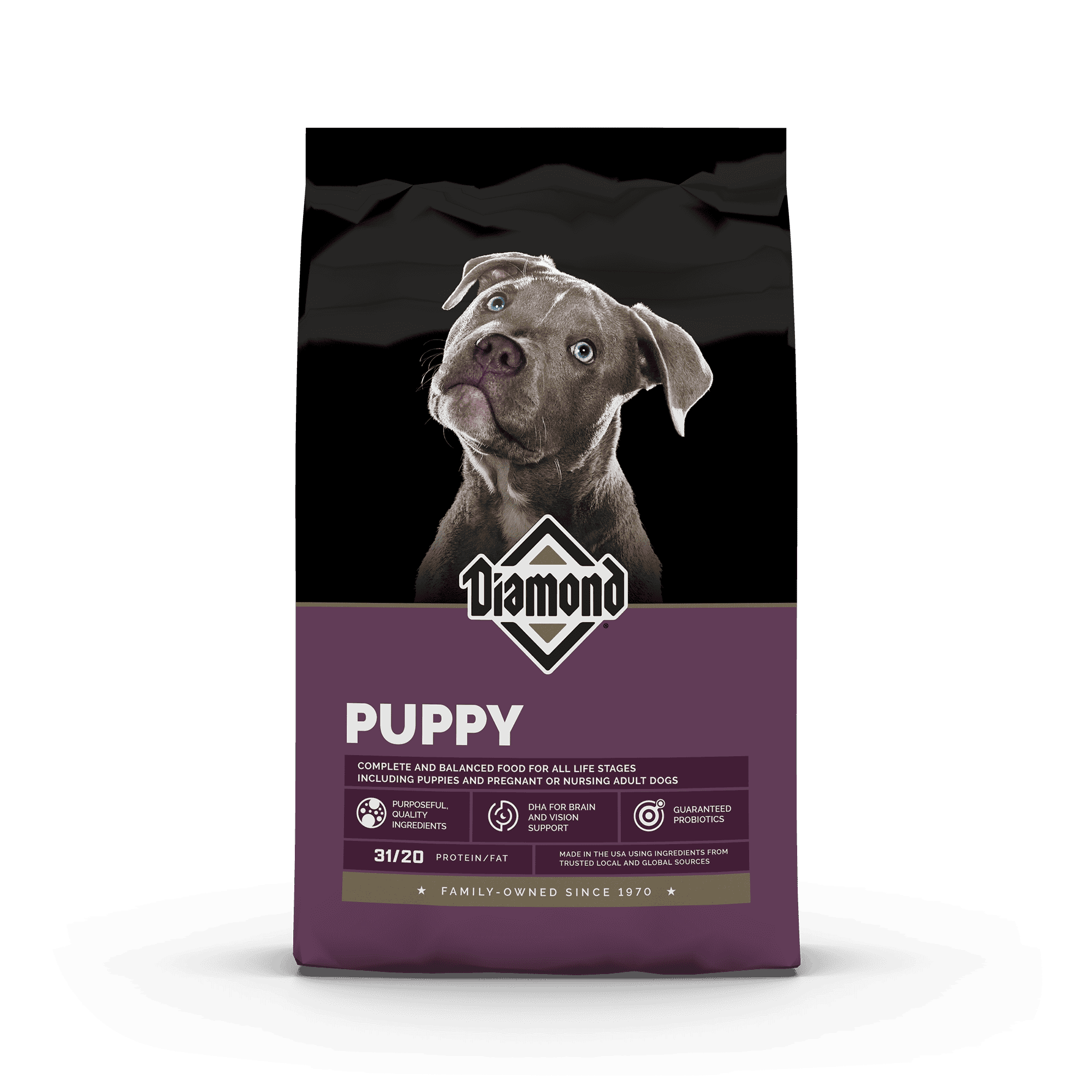
Credit: www.diamondpet.com
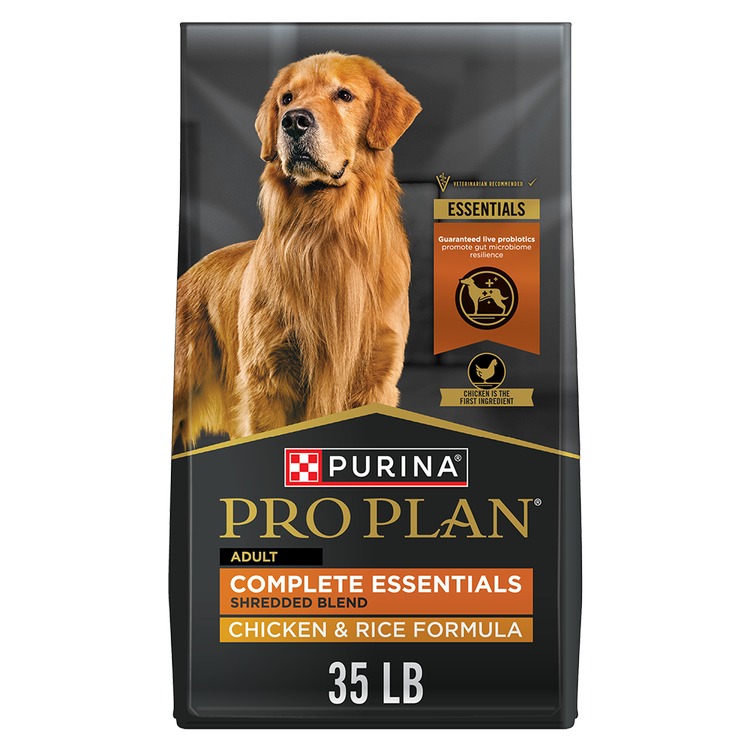
Credit: www.purina.com
Frequently Asked Questions
Can Adult Dogs Eat Dry Puppy Food Safely?
Adult dogs can eat dry puppy food occasionally but it lacks balanced nutrients for adults. Puppy food has higher calories and fat, which may cause weight gain or digestive issues in adult dogs if fed regularly.
What Are The Risks Of Feeding Puppies Food To Adults?
Feeding puppy food to adult dogs regularly may lead to obesity, digestive upset, and nutrient imbalances. Puppy formulas are richer in calories and protein, which are unnecessary for most adult dogs, potentially harming their health over time.
How To Transition From Puppy To Adult Dry Food?
Gradually mix increasing amounts of adult dry food with puppy food over 7-10 days. This helps prevent digestive issues and allows your dog’s system to adjust smoothly to the new diet.
Can Dry Puppy Food Cause Allergies In Adult Dogs?
Dry puppy food can cause allergies in adult dogs if it contains ingredients they are sensitive to. Always check ingredient lists and consult your vet if your dog shows signs of allergy like itching or digestive upset.
Conclusion
Adult dogs can eat dry puppy food, but not always best. Puppy food has more fat and calories. This may cause weight gain in adults. Some dogs may need special diets. Always check with your vet first. Watch your dog for any changes.
Healthy food keeps dogs happy and strong. Choose food that matches your dog’s age and needs. Good nutrition supports a long, active life. Think about what works best for your dog. Your pet deserves the right food every day.