
You love your dog and want the best for them. But do you know when it’s time to switch their food from puppy to adult?
Feeding your dog the right food at the right time is crucial for their health and happiness. If you wait too long or switch too early, it can affect their growth, energy, and overall well-being. You’ll discover the key signs to watch for and how to make the transition smooth and stress-free for your furry friend.
Keep reading to ensure you’re giving your dog the nutrition they need exactly when they need it.
Credit: www.chewy.com
Signs Your Dog Is Ready
Knowing when your dog is ready to transition to adult food can make a big difference in their health and happiness. It’s more than just hitting a certain age—your dog’s body and behavior give you clear signs. Watching closely for these signs helps you make the right choice at the right time.
Age Milestones
Most dogs start switching to adult food between 9 to 12 months old, but this varies by breed and size. Smaller breeds often mature faster and may be ready closer to 9 months, while larger breeds might need up to 18 months. Checking your dog’s breed-specific guidelines is a smart move.
Behavioral Changes
Have you noticed your pup losing some of that puppy energy? A calmer, more focused demeanor can signal they’re growing up. Also, if your dog shows less interest in play or starts eating less frequently, these changes might mean their nutritional needs are shifting.
Growth Patterns
Tracking your dog’s growth helps you spot the right moment to transition. If their weight has stabilized and their puppy fur is being replaced by adult coat, these are clear signs. Keep an eye on muscle development too—stronger muscles often mean your dog is ready for adult food.
Differences Between Puppy And Adult Food
Understanding the differences between puppy and adult dog food helps you choose the right diet for your dog. Puppies need special nutrition to support their rapid growth. Adult dogs require food that maintains their health and energy without excess calories. Feeding the correct food supports your dog’s development and overall well-being.
Nutritional Needs
Puppy food contains higher protein and fat levels to fuel growth. It also includes extra vitamins and minerals for bone and brain development. Adult dog food has balanced nutrients to maintain muscle and support daily activity. The nutrients in adult food help prevent weight gain and keep your dog healthy.
Calorie Content
Puppies burn more energy and need more calories per pound than adults. Puppy food is calorie-dense to meet these higher energy demands. Adult dog food has fewer calories to avoid excess weight. Feeding adult food to puppies may slow their growth. Feeding puppy food to adults may cause weight gain.
Ingredient Variations
Puppy food often includes ingredients that support immune health and digestion. It may have added DHA for brain and eye development. Adult food focuses on ingredients that promote joint health and maintain a healthy coat. Both types use high-quality proteins but differ in added nutrients.
Breed And Size Considerations
Choosing the right time to transition your dog to adult food depends on their breed and size. Different breeds mature at different rates. Therefore, understanding these differences is crucial for maintaining your dog’s health. Let’s explore how breed and size impact this transition.
Small Breeds
Small breeds grow fast. They usually reach maturity by nine to twelve months. Transition them to adult food once they stop growing. Their metabolism is high, so they need nutrient-rich diets. Small breed dog foods often have smaller kibble. This helps with easier chewing and digestion.
Large Breeds
Large breeds mature slower than small breeds. They typically reach adulthood between twelve to eighteen months. It’s important to wait for their growth plates to close before switching. Large breed puppy food supports controlled growth and bone development. Transitioning too early can cause joint issues.
Giant Breeds
Giant breeds take the longest to mature. They can take up to two years to reach adulthood. Like large breeds, they require controlled growth for healthy bones. Their transition to adult food should be gradual. Monitor their weight and growth closely during this period. Giant breed puppy foods are specially formulated for their needs.

Credit: www.reddit.com
Health Factors Impacting Transition
Transitioning your dog to adult food involves more than just age. Several health factors play a key role in deciding the right time. These factors ensure your dog stays healthy and happy during the change.
Weight Management
Weight affects your dog’s health and energy. Adult dog food often has fewer calories than puppy food. This helps prevent excess weight gain. Overweight dogs face joint problems and low energy. Monitor your dog’s weight closely during the transition. Adjust food portions based on activity level and body condition.
Allergies And Sensitivities
Some dogs have allergies or food sensitivities. Switching to adult food may expose them to new ingredients. Watch for signs like itching, redness, or digestive upset. Choose adult food with limited ingredients if needed. Consult your vet for allergy-friendly diet options.
Digestive Health
Digestive health changes as your dog grows. Adult dog food has different fiber and nutrient levels. This supports a mature digestive system. Sudden changes can cause stomach upset or diarrhea. Gradually mix adult food with puppy food over days. This helps your dog’s digestion adjust smoothly.
How To Transition Smoothly
Transitioning your dog to adult food is a crucial step that requires patience and attention. Doing it too fast can upset your dog’s stomach, while dragging it out might cause confusion or picky eating habits. Let’s look at how to make this change smooth and stress-free for both you and your furry friend.
Gradual Food Mixing
Start by mixing a small amount of adult food into your dog’s current puppy food. A good rule is to begin with about 25% adult food and 75% puppy food. Over 7 to 10 days, slowly increase the adult food portion while decreasing the puppy food.
This gradual shift helps your dog’s digestive system adjust without shock. Have you noticed your dog sniffing and rejecting new food? Mixing the flavors can make the new diet more acceptable.
Monitoring Reactions
Watch your dog closely during the transition. Look for signs like vomiting, diarrhea, or changes in appetite. These might mean the new food isn’t agreeing with them yet.
Keep a daily log of their behavior and stool quality for a week. If problems persist, consult your vet before continuing. Your dog’s comfort should always come first.
Adjusting Portions
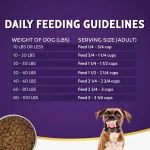
Adult food often has different calorie levels than puppy food, so you may need to adjust how much you feed. Check the feeding guidelines on the package and consider your dog’s activity level and weight.
If your dog gains or loses weight unexpectedly, tweak the portions accordingly. Have you ever tracked your dog’s weight during a diet change? It’s a simple step that can prevent long-term health issues.
Common Mistakes To Avoid
Knowing when to switch your dog to adult food is important. Mistakes during this transition can cause health issues. Avoid common errors to keep your dog healthy and happy. Careful planning helps your dog adjust smoothly to new food.
Switching Too Early
Changing to adult food too soon can harm your dog’s growth. Puppies need special nutrients to develop properly. Early switching may cause nutrient deficiencies. Wait until your vet says your dog is ready. Each breed grows at a different pace.
Abrupt Changes
Sudden food changes often upset your dog’s stomach. Diarrhea and vomiting are common signs. Gradually mix adult food with puppy food over 7-10 days. Slowly increase the adult food amount each day. This helps your dog adjust without stress.
Ignoring Individual Needs
Every dog is unique. Some need special diets due to health or breed. Weight, activity level, and allergies affect food choice. Watch your dog’s reaction to new food carefully. Consult your vet about the best adult food for your dog’s needs.
When To Consult A Vet
Knowing when to switch your dog to adult food is important for their health. Sometimes, this decision is clear. Other times, it needs expert advice. A vet can help you decide the best time to change your dog’s diet. They can also check if your dog has special needs or health problems that affect feeding.
Unusual Symptoms
Watch for signs like vomiting, diarrhea, or itching. These symptoms may mean the current food is not right. Sudden weight loss or gain also needs attention. A vet can find the cause and suggest the right food. Don’t ignore changes in your dog’s behavior or energy. These could point to food issues.
Nutritional Guidance
Every dog needs different nutrients at different ages. A vet knows what your dog needs most. They can tell you the best time to switch food. Vets help balance proteins, fats, and vitamins. This keeps your dog healthy and active. They can also recommend top-quality adult food brands.
Special Dietary Needs
Some dogs have allergies or medical problems. They may need special diets or supplements. Vets can diagnose these needs and create a plan. This plan ensures your dog gets the right nutrition. Special diets help dogs with kidney, liver, or joint issues. Trust your vet to guide you on these needs.
Credit: www.chewy.com
Frequently Asked Questions
When Is The Right Age To Switch To Adult Dog Food?
Most dogs should transition to adult food between 12 to 18 months old. Large breeds may need up to 24 months. Consult your vet to determine the best timing based on your dog’s breed and growth rate.
What Signs Indicate My Dog Needs Adult Food?
Signs include slowed growth, increased activity, and a shift in nutritional needs. Puppies typically grow rapidly until one year, then require adult nutrients to maintain health and energy.
Can Switching Too Early Harm My Dog’s Health?
Yes, switching too early can cause nutritional deficiencies and digestive issues. Puppies need higher protein and fat, which adult food may lack. Always transition at the appropriate age recommended by your vet.
How Should I Transition My Dog To Adult Food?
Gradually mix adult food with puppy food over 7-10 days. Increase adult food portions slowly to avoid stomach upset and help your dog adjust to the new diet.
Conclusion
Transitioning your dog to adult food needs care and timing. Watch their growth and energy levels closely. Most dogs switch around one year old. Choose a balanced adult formula for good health. Consult your vet for the best advice. Changing food slowly helps avoid tummy issues.
A smooth transition supports your dog’s long life. Keep their diet right for happy, strong days ahead.