
Are you wondering when to switch your furry friend to adult dog food? Getting this timing right is crucial for your dog’s health and happiness.
Feed them too soon, and they might miss out on essential nutrients for growth. Wait too long, and they could gain unwanted weight or lack energy. You’ll discover the simple signs to watch for and the best way to make this important change.
Keep reading to ensure your dog stays healthy and strong every step of the way.

Credit: jiminys.com
Choosing The Right Feeding Time
Choosing the right feeding time for your adult dog can impact their digestion, energy levels, and overall behavior. It’s not just about when you feed them but understanding how timing fits into their daily routine and lifestyle. Finding the best schedule requires observing your dog’s habits and considering your own availability.
Morning Vs Evening Feeding
Feeding your dog in the morning can kickstart their metabolism and provide energy for the day ahead. Dogs often benefit from a morning meal if they are active during daylight hours or accompany you on morning walks.
Evening feeding might suit dogs that rest during the day and become more active in the evening. This can help prevent hunger before bedtime and promote a calmer night.
Some dog owners prefer splitting meals between morning and evening to keep energy stable throughout the day. Which option feels more natural for your dog’s activity pattern?
Consistency Matters
Dogs thrive on routine, and feeding them at the same times every day supports healthy digestion and behavior. Irregular feeding can cause anxiety or overeating if your dog expects food at a certain hour but doesn’t receive it.
Set a feeding schedule that fits your daily life and stick with it. Even a 15-minute difference can confuse your dog’s internal clock and impact their mood.
Have you noticed your dog becoming restless or overly eager around usual feeding times? That’s a sign consistency is working.
Adapting To Your Dog’s Routine
Your dog’s feeding schedule should reflect their age, health, and activity level. For example, more active dogs may need meals closer to their exercise times to maintain energy.
If your dog has a special health condition or a sensitive stomach, adjusting feeding times can ease digestion or medication routines.
Think about your dog’s natural rhythms. Does your dog nap after meals, or do they prefer to stay active? Matching feeding times to these patterns can improve their comfort and happiness.
Daily Feeding Frequency
Daily feeding frequency plays a key role in your dog’s health and energy. Feeding at the right times supports digestion and keeps your pet active. The number of meals depends on several factors. Understanding these helps you choose the best feeding schedule for your adult dog.
Once Vs Twice A Day
Feeding once a day is simple and fits busy routines. It works for dogs that eat well in one meal and maintain energy. Twice a day feeding helps keep energy steady throughout the day. It also reduces hunger and prevents overeating. Many vets recommend splitting food into two meals for better digestion.
Age And Activity Level Influence
Older dogs often need fewer meals, as their energy slows down. Younger, active dogs burn more calories and may need more frequent feeding. Dogs that exercise a lot benefit from two meals to refuel. Sedentary dogs can do well with one meal a day. Adjust feeding based on your dog’s lifestyle and health needs.
Signs Your Dog Needs More Or Less
- Begging for food often may mean your dog needs more calories.
- Weight gain can indicate too much food or low activity.
- Low energy or sluggishness may show underfeeding.
- Digestive issues like vomiting suggest meal size or frequency needs change.
- Consult your vet if unsure about your dog’s feeding needs.
Portion Control And Measurement
Feeding adult dog food is best done twice daily to keep energy steady. Measure portions carefully to avoid overfeeding and maintain healthy weight. Consistent timing helps support digestion and overall well-being.
Portion control and measurement play a pivotal role in ensuring your dog’s health and well-being. Feeding your adult dog the right amount of food can prevent obesity and related health issues, while also ensuring they get the necessary nutrients. But how do you determine the correct portion sizes?Reading Dog Food Labels
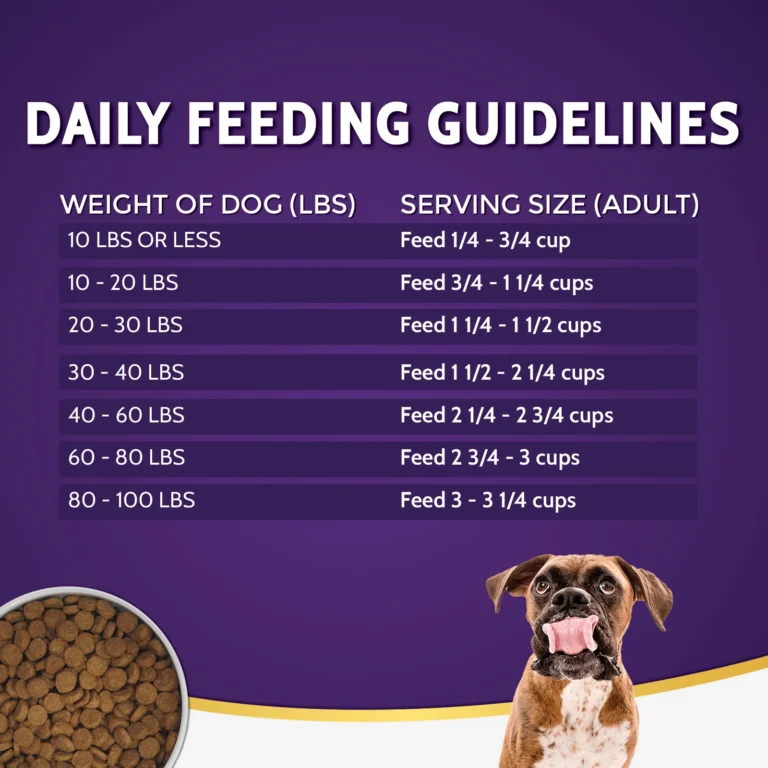
Understanding dog food labels is crucial. These labels provide valuable information about the nutritional content and recommended serving sizes. Take the time to examine the label on your dog’s food bag. Look for the calorie content and the feeding guidelines, which usually suggest portions based on your dog’s weight. Remember, these are general guidelines and might need adjustments based on your dog’s activity level.Using Measuring Tools
Accurate measurement is key to portion control. Using a measuring cup or a kitchen scale can help ensure you’re feeding the right amount. Eyeballing portions can lead to overfeeding, which is a common mistake many dog owners make. Investing in a simple measuring tool can make all the difference in maintaining your dog’s optimal health.Adjusting Portions For Weight Management
Your dog’s weight can be a good indicator of whether you need to adjust their food portions. If your dog is gaining unwanted weight, consider reducing their portion sizes slightly. Conversely, if your dog is losing weight or seems overly hungry, you may need to increase their food intake. Regularly monitor your dog’s weight and body condition, and adjust portions as needed to maintain a healthy weight. How do you manage your dog’s portion control? Do you rely on measuring tools or have you found a different strategy that works? Share your experiences in the comments below!
Credit: www.purina.com
Healthy Feeding Habits
Healthy feeding habits set the foundation for your dog’s well-being. Feeding your adult dog the right way not only supports their energy levels but also helps prevent health problems. It’s about balance, consistency, and paying attention to your dog’s unique needs.
Avoiding Overfeeding
Overfeeding is a common mistake that can lead to weight gain and health issues like diabetes or joint problems. Watch your dog’s weight regularly and adjust portions accordingly. Treats are tasty, but they add extra calories—limit them to avoid sneaky overeating.
Think about how you measure your dog’s food. Using a standard cup instead of guessing helps keep portions accurate. Have you noticed your dog begging for more, or are they finishing meals quickly? That could mean it’s time to review their feeding amount.
Importance Of Hydration
Water is crucial for digestion and overall health. Always keep fresh water available, especially after meals and exercise. Dehydration can cause serious issues, so observe if your dog drinks less than usual or seems lethargic.
You can encourage hydration by adding water or broth to dry food. Have you tried offering ice cubes as a treat on hot days? Many dogs enjoy them, and it’s a simple way to boost fluid intake.
Creating A Feeding Schedule
Consistency in feeding times helps regulate your dog’s metabolism and behavior. Feeding your dog twice a day, in the morning and evening, works well for most adult dogs. This routine prevents hunger-induced anxiety and overeating.
Adjust meal times based on your dog’s activity level and lifestyle. If your dog is very active, you might need to split meals or add a small snack. How does your dog respond to their current schedule? Small changes might make a big difference in their energy and mood.
Special Considerations
Special considerations play a key role in deciding the best time to feed adult dog food. Every dog has unique needs that affect their eating schedule. Paying attention to these factors helps keep your dog healthy and happy. Understanding these points can improve your dog’s digestion and energy levels.
Feeding After Exercise
Avoid feeding your dog immediately after exercise. Wait at least 30 minutes to an hour. This pause helps prevent stomach upset and bloating. It also allows your dog to cool down. Feeding too soon can cause discomfort and digestive issues.
Dealing With Picky Eaters
Some dogs refuse food at certain times. Offer meals at regular intervals to build a routine. Try warming the food slightly to enhance aroma. Mixing wet and dry food can make meals more appealing. Avoid feeding treats before meals to encourage eating.
Consulting Your Veterinarian
Consult your veterinarian for personalized feeding advice. They know your dog’s health history and special needs. Discuss any changes in appetite or digestion. Your vet can recommend the best feeding times and food types. Regular check-ups ensure your dog stays in good shape.
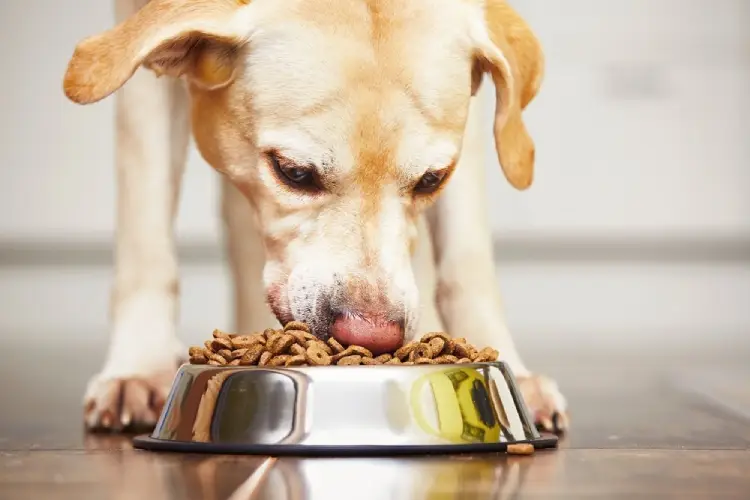
Credit: www.webbox.co.uk
Frequently Asked Questions
When Should I Switch To Adult Dog Food?
Switch to adult dog food when your dog reaches 12 months. Large breeds may switch later, around 18-24 months. This ensures balanced nutrients for their growth and energy needs.
How Do I Know My Dog Is Ready For Adult Food?
Signs include slowed growth, reduced energy needs, and no longer needing puppy-specific nutrients. Consult your vet for personalized advice based on breed and health.
Can Feeding Adult Food Too Early Harm My Dog?
Yes, feeding adult food too early can cause nutrient imbalances. Puppies need higher protein and fat for growth. Delaying the switch ensures healthy development.
How Often Should I Feed Adult Dog Food Daily?
Feed adult dogs twice a day, morning and evening. This helps maintain consistent energy levels and proper digestion. Adjust amounts based on activity and weight.
Conclusion
Feeding adult dog food at the right time supports your dog’s health. Watch for signs your puppy is growing up and ready for new food. Gradually switch to adult food to avoid stomach problems. Keep your dog’s size, breed, and activity in mind when choosing food.
Regular feeding times help your dog feel secure and happy. Always provide fresh water alongside meals. Paying attention to your dog’s needs ensures a long, healthy life. Simple steps make feeding easier for both you and your dog.