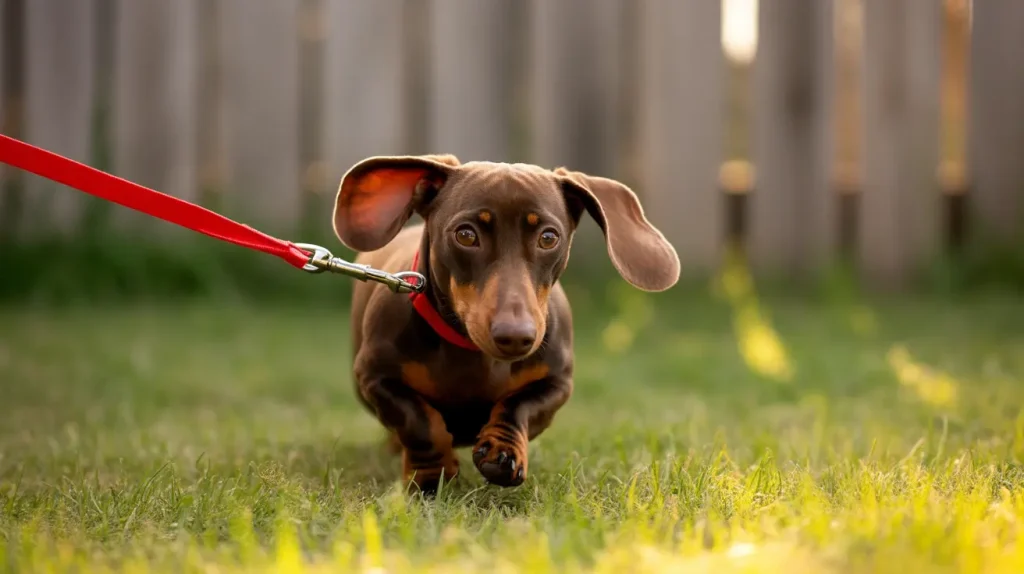

Training your wiener dog can be one of the most rewarding experiences you’ll have as a pet owner. These little dogs are full of personality, but their stubborn streak can sometimes make training a challenge.
If you want your dachshund to listen, behave, and be a happy companion, you need the right approach. In this guide, you’ll discover simple, effective techniques that work specifically for wiener dogs. Keep reading, and you’ll learn how to turn your playful pup into a well-mannered member of your family—without frustration or confusion.
Your wiener dog is ready to learn, and you’re about to become their favorite teacher.
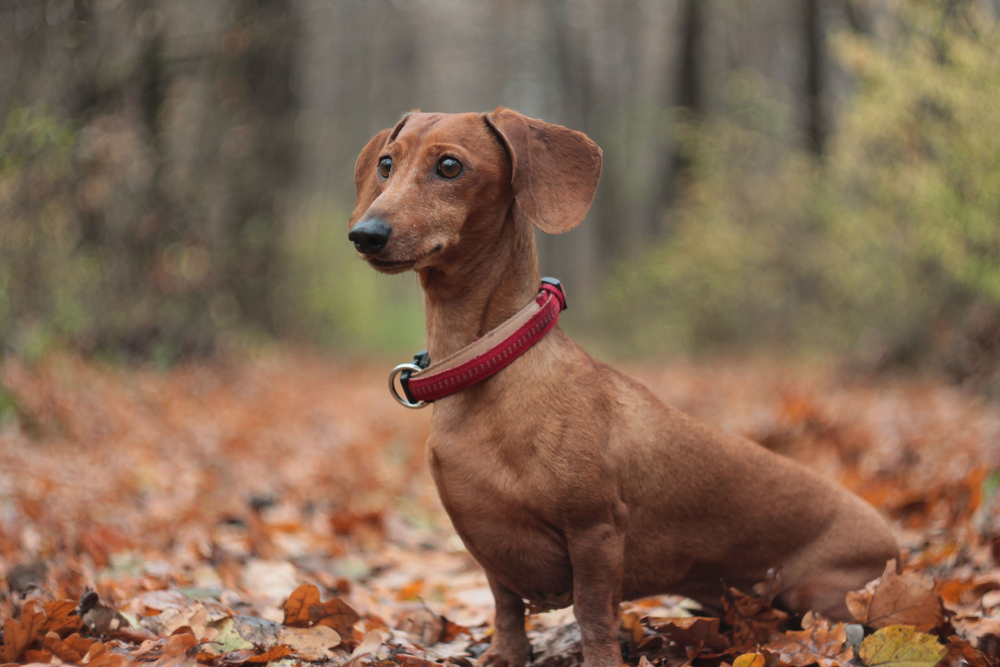
Credit: www.pawtracks.com
Choosing The Right Training Method
Choosing the right training method for your wiener dog is key to building a strong bond and ensuring effective learning. Every dachshund has its own personality, so what works for one might not work for another. It’s important to pick a technique that fits your dog’s temperament and your lifestyle, making training a positive experience for both of you.
Positive Reinforcement Techniques
Positive reinforcement means rewarding your wiener dog when they do something right. This could be treats, praise, or playtime. The goal is to make your dog want to repeat good behavior because it leads to something they enjoy.
Try giving small treats immediately after your dog follows a command. This timing helps them connect the action with the reward. You can also use verbal encouragement like “Good job!” or gentle petting as rewards.
Have you noticed how your dog’s tail wags faster when you use a certain tone? That’s a sign they’re enjoying the training and are more likely to listen.
Clicker Training Basics
Clicker training uses a small device that makes a clicking sound to mark the exact moment your dog performs the desired behavior. This clear signal helps your dachshund understand what you want from them.
Start by clicking and immediately giving a treat to help your dog associate the sound with a reward. Then use the click to mark good behavior during training sessions, like sitting or coming when called.
This method works well because it’s consistent and precise, making it easier for your dog to learn new commands quickly. Have you tried using a clicker yet? It might be the tool that changes your training routine.
Avoiding Common Mistakes
One common mistake is expecting too much too soon. Your wiener dog might not master commands in a single session, and pushing them can cause frustration. Keep training sessions short and positive to hold their attention.
Another error is using punishment or harsh tones. These can confuse your dog and damage your relationship. Focus on what you want your dog to do, not what you want to stop.
Also, be consistent with commands and rewards. Switching words or skipping treats can make your dog unsure about what’s expected. How consistent are you in your daily interactions with your pet?
Preparing Your Wiener Dog For Training
Preparing your wiener dog for training sets the stage for success. This phase is about creating an environment where your little dachshund feels comfortable and focused. Thoughtful preparation helps avoid frustration for both you and your dog, making training sessions productive and enjoyable.
Setting Up A Training Space
Choose a quiet area free from distractions. Your wiener dog should not be overwhelmed by loud noises or other pets. A small, enclosed space like a corner of a living room or a fenced backyard works well.
Make sure the surface is safe for your dog’s short legs to prevent slipping. Use non-slip mats if training indoors. The goal is to have a space that encourages focus without causing anxiety.
Gathering Necessary Supplies
Collect all the tools you’ll need before starting. This includes treats your dog loves, a clicker if you use one, a leash, and some toys for rewards.
Keep treats small and soft for quick chewing to maintain your dog’s attention. Having everything ready prevents interruptions during training and keeps your wiener dog engaged.
Establishing A Routine
Dogs thrive on consistency. Pick specific times each day for training sessions, ideally when your dog is calm but alert.
Short sessions of 5 to 10 minutes work best for wiener dogs, as their attention spans are limited. Sticking to a routine helps your dog know what to expect and builds positive habits faster.
Basic Commands To Start With
Start with simple commands like “sit,” “stay,” and “come” to build basic obedience. Use treats and praise to encourage your wiener dog. Keep training sessions short and consistent for best results.
Training a Weiner Dog, or Dachshund, can be rewarding. They are smart but stubborn. Start with basic commands. These build trust and understanding. Each command serves a purpose. This makes daily life smoother.Sit And Stay
Teaching “Sit” is essential. Begin indoors. Hold a treat above their nose. Move it back slightly. This makes them sit. Once sitting, say “Sit.” Give the treat. Repeat this often. “Stay” is next. Once they sit, hold your hand up. Say “Stay.” Step back slowly. Return and reward if they stay. Increase distance over time. Practice short sessions daily.Come When Called
This command is crucial for safety. Start in a quiet space. Use a happy voice. Call their name and “Come.” Reward them when they approach. Use treats and praise. Gradually increase distance. Practice outside with a leash.Leash Walking Tips
Leash training takes patience. Start in a calm area. Let them wear the leash indoors. Get them used to it. Use treats to encourage walking by your side. If they pull, stop walking. Wait for them to calm down. Praise them when they walk nicely. Keep sessions short. Gradually increase time and distance. Training strengthens your bond with your Dachshund. These commands are key. They’re the foundation of good behavior. Be patient and consistent. Happy training!
Credit: m.youtube.com
Housebreaking Your Wiener Dog
Housebreaking your wiener dog is essential for a happy home. These small dogs learn fast but need clear guidance. Consistency and patience help them understand where to go. Start early to build good habits that last.
Crate Training Tips
Choose a crate just big enough for your dog. It should be cozy but not too large. Use the crate as a safe space, never punishment. Place treats and toys inside to make it inviting. Let your dog explore the crate on their own. Close the door for short times, then increase gradually. This helps your dog hold their bladder longer. Always take them outside right after crate time.
Managing Accidents
Accidents will happen; stay calm and patient. Never yell or punish your wiener dog. Clean accidents with enzyme cleaner to remove odors. This stops your dog from returning to the same spot. Watch for signs your dog needs to go out. Reward your dog immediately after they go outside. Consistent praise helps them learn the right place. Keep accidents low by supervising closely indoors.
Establishing A Schedule
Set regular times for bathroom breaks daily. Take your dog out first thing in the morning. Offer bathroom breaks after meals and naps. Keep outings short but frequent in the beginning. Use the same door and spot outside each time. Praise your dog when they go outside. A steady schedule teaches your wiener dog when to go. This reduces accidents and builds trust.
Addressing Common Behavioral Issues
Training a Weiner dog requires patience and clear guidance. These dogs have unique personalities that sometimes lead to common behavioral issues. Addressing these problems early keeps your pet happy and your home peaceful.
Understanding why your dog acts a certain way helps you choose the right approach. Consistent training and positive reinforcement work best. Focus on specific issues like barking, separation anxiety, and chewing to create a better bond with your Weiner dog.
Barking Control
Weiner dogs often bark to alert or express excitement. Too much barking can become a problem. Teach your dog to stop barking on command by using a clear word like “quiet.”
- Ignore the barking if it is for attention.
- Reward your dog when it stops barking.
- Use toys or treats to distract your dog.
- Provide enough daily exercise to reduce excess energy.
Separation Anxiety Solutions
Weiner dogs may feel stressed when left alone. Signs include whining, pacing, or destructive behavior. Help your dog feel safe by creating a calm environment.
- Practice short separations and gradually increase time apart.
- Leave familiar toys or clothes with your scent.
- Use a crate or small area to make your dog feel secure.
- Keep arrivals and departures low-key to avoid excitement.
Preventing Chewing
Chewing is natural but can damage belongings. Teach your dog what is okay to chew. Provide plenty of safe chew toys.
- Remove items you do not want chewed.
- Offer chew toys and praise your dog for using them.
- Use bitter sprays on furniture as a deterrent.
- Give your dog enough exercise and mental stimulation.
Advanced Training For Wiener Dogs
Advanced training for your wiener dog builds on basic commands and opens up new ways to challenge their curious minds. At this stage, you can teach tricks that entertain and impress, improve their social skills, and even introduce them to agility exercises that keep them physically fit. These activities not only strengthen your bond but also keep your dog mentally sharp and happy.
Trick Training Ideas
Teaching your wiener dog tricks goes beyond simple commands like sit or stay. Try fun tricks such as spinning in a circle, playing dead, or weaving through your legs. Use small treats and lots of praise to motivate your dog, keeping sessions short and positive.
Have you noticed how your dog’s tail wags faster when they learn a new trick? That excitement is a sign you’re on the right track. Keep challenging them with new tricks like rolling over or balancing a treat on their nose to maintain their interest.
Socialization Strategies
Helping your wiener dog become comfortable around other dogs and people is key for their confidence. Arrange playdates with friendly dogs or visit dog parks regularly to expose them to different environments. Watch your dog’s body language closely and step in if they seem overwhelmed.
Think about how your dog reacts to new situations—do they hide or get excited? Tailor your socialization efforts to their comfort level. Gradual exposure and positive reinforcement will turn shy pups into social butterflies.
Agility Training Basics
Agility training is a great way to keep your wiener dog active and engaged. Start with simple obstacles like tunnels, low jumps, or weave poles made from household items. Use treats and enthusiastic encouragement to guide your dog through each obstacle.
Have you tried timing your dog’s runs? It can turn training into a fun game that challenges their speed and focus. Remember, patience is vital—each dog learns at their own pace, so celebrate every small victory along the way.
Maintaining Training Progress
Keeping your weiner dog’s training progress steady is key to having a well-behaved, happy companion. Training doesn’t end after the first few lessons; it’s a continuous process that requires your attention and effort. You want your dog to remember what they’ve learned and build on those skills over time.
Consistent Practice
Practice makes habits stick. Spend a few minutes every day repeating commands and exercises with your dog.
Keep training sessions short but frequent to avoid overwhelming your weiner dog. Even a quick five-minute session can reinforce good behavior.
Have you noticed that your dog sometimes forgets commands after a break? That’s normal and a sign you need to keep practicing regularly.
Reward Systems
Positive reinforcement works best with weiner dogs. Use treats, praise, or playtime as rewards when your dog follows commands.
Switch up rewards to keep your dog interested. Sometimes a favorite toy or extra cuddle time can work wonders.
If your dog loses interest, try smaller, more frequent rewards to maintain motivation. What kind of rewards excite your dog the most?
Adjusting Techniques Over Time
As your dog learns, some training methods might need tweaking. What worked last month may not be as effective now.
Pay attention to your dog’s reactions and behavior. If they seem bored or confused, try changing your tone, pace, or the type of reward.
Remember, patience is crucial. Adjusting your approach keeps training fresh and suited to your dog’s evolving needs.

Credit: www.youtube.com
Frequently Asked Questions
How Long Does It Take To Train A Weiner Dog?
Training a Weiner dog typically takes 4 to 8 weeks with consistent daily practice. Patience and positive reinforcement speed up progress. Early socialization and basic commands should start immediately to build good habits and reduce stubbornness.
What Are The Best Training Methods For Weiner Dogs?
Positive reinforcement using treats, praise, and play works best for Weiner dogs. Avoid harsh punishment as they respond better to encouragement. Short, fun training sessions keep their attention and improve learning.
How Often Should I Train My Weiner Dog Daily?
Training sessions should be 10 to 15 minutes, 2 to 3 times daily. Frequent short sessions prevent boredom and reinforce commands. Consistency is key to successful training and behavior shaping.
Can Weiner Dogs Be Housebroken Easily?
Yes, Weiner dogs can be housebroken with patience and routine. Establish a regular schedule for bathroom breaks, reward successes, and supervise closely. Crate training helps prevent accidents and speeds up the process.
Conclusion
Training a Weiner dog takes patience and love. Keep sessions short and fun to hold their interest. Use treats and praise to encourage good behavior. Stay consistent with rules and commands every day. Remember, small steps lead to big progress over time.
Your dog will learn and grow with your help. Enjoy the bond you build through training. It makes your Weiner dog happier and more confident. Training is a journey worth every moment spent together.