
If you’ve ever struggled with your dog peeing all over the place, you know how frustrating it can be. Imagine having one clean, easy-to-manage spot where your dog always goes.
Sounds like a dream, right? You can make this happen with the right training. You’ll discover simple, effective steps to teach your dog to pee in one spot. Stick with me, and soon your home will stay cleaner, and your dog will be happier too.
Let’s get started!
Choose The Perfect Spot
Choosing the perfect spot for your dog to pee is essential for successful training. A consistent location helps your dog understand where to go. Pick a place that suits your living situation and your dog’s needs. The right spot makes training easier and keeps your home clean.
Indoor Vs Outdoor Options
Decide if your dog will pee inside or outside. Indoor spots include pee pads or artificial grass. Outdoor spots can be a corner of your yard or a nearby park. Indoor spots suit small dogs or bad weather. Outdoor spots offer fresh air and space. Choose what fits your lifestyle and environment.
Consider Accessibility And Safety
Make sure your chosen spot is easy for your dog to reach. Avoid places with heavy traffic or sharp objects. The area should be quiet and calm to reduce stress. Check for harmful plants or chemicals. Safety keeps your dog comfortable and encourages good habits.
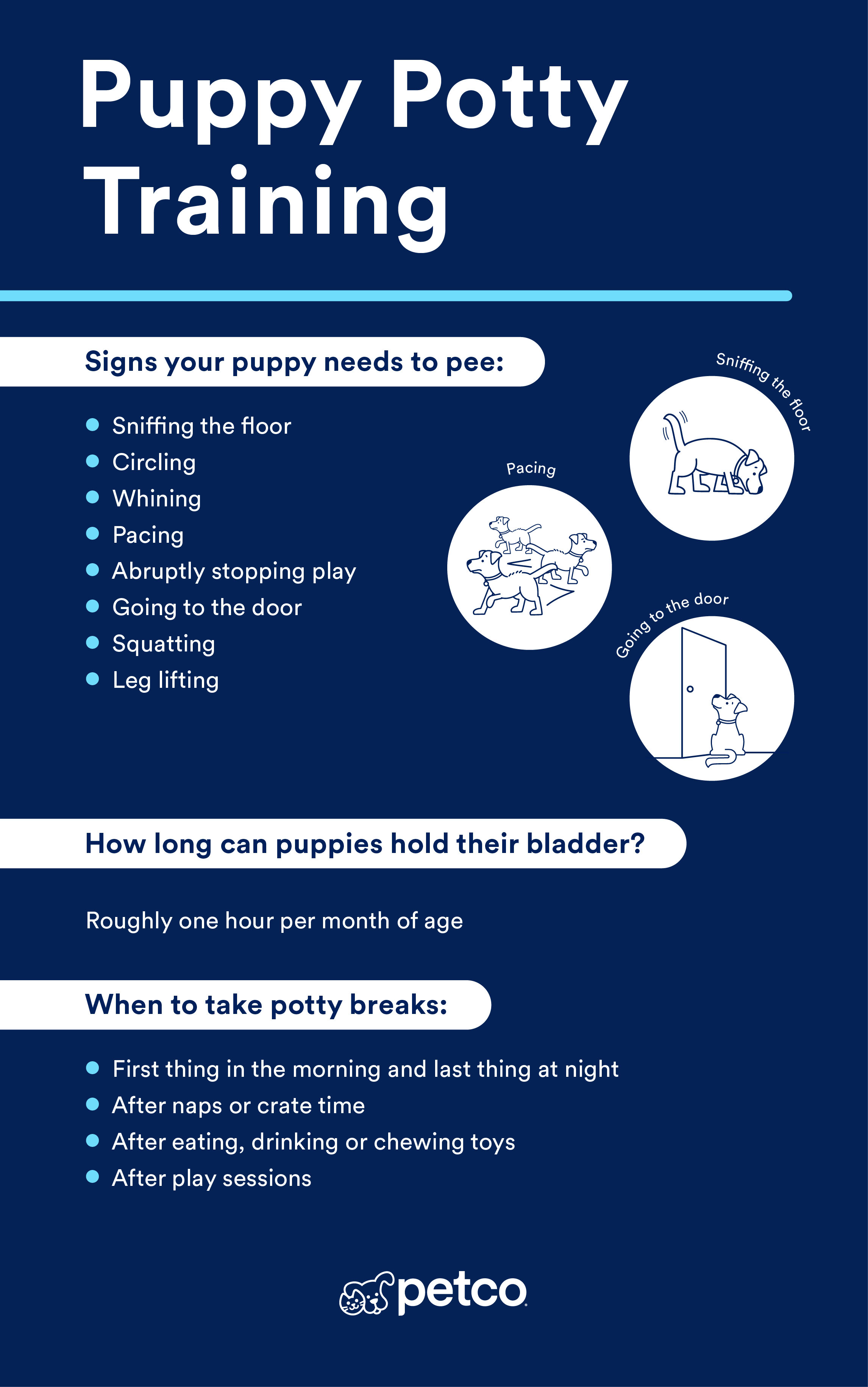
Credit: www.petco.com
Gather Training Supplies
Gathering the right training supplies sets the foundation for teaching your dog to pee in one spot. Having everything ready makes the process smoother and less stressful for both you and your pet. It also helps maintain a clean and organized environment, which is crucial for successful training.
Pee Pads And Cleaning Products
Pee pads are essential, especially if you’re training your dog indoors or during bad weather. Choose pads with strong absorbency to prevent leaks and odors. Position them consistently in the same spot to help your dog associate that area with bathroom breaks.
Cleaning products are equally important. Accidents happen, and the right cleaner will remove odors that might attract your dog to pee elsewhere. Avoid ammonia-based cleaners since they can smell like urine and confuse your dog. Opt for enzymatic cleaners that break down urine molecules effectively.
Leash And Treats
A leash helps you guide your dog to the designated pee spot without distractions. It keeps your dog focused and prevents wandering, especially in outdoor settings. Use a lightweight leash that gives you control but doesn’t restrict your dog’s movement.
Treats are your training allies. Choose small, tasty rewards your dog loves to keep motivation high. Timing is key—give treats immediately after your dog pees in the right spot to reinforce the behavior. Have plenty on hand to maintain consistency throughout training sessions.
Create A Consistent Schedule
Training your dog to pee in one spot can feel like a daunting task, but creating a consistent schedule can make it much easier. Dogs thrive on routine, and by establishing a predictable pattern, you can help your furry friend understand where and when they should relieve themselves. Consistency is the key to success, and it all starts with a well-structured schedule.
Regular Bathroom Breaks
Setting regular bathroom breaks is crucial for successful training. Take your dog out at the same times every day, such as first thing in the morning, after meals, and before bedtime. This routine helps your dog anticipate when it’s time to go, reducing the chances of accidents inside.
Think about your own schedule. Do you find comfort in knowing when your lunch break or coffee run is? Your dog feels the same way about their bathroom breaks. Establishing a routine can provide them with a sense of security and predictability.
Feeding And Drinking Times
The timing of your dog’s meals and water intake can greatly influence their bathroom habits. Feed your dog at consistent times each day to regulate their digestion and make bathroom breaks more predictable.
Consider setting specific times for water access, especially in the evening, to prevent nighttime accidents. This not only helps with potty training but also supports their overall health by ensuring they stay hydrated during the day.
By aligning your dog’s feeding and drinking schedule with their bathroom breaks, you’re setting them up for success. Who knew that a simple tweak in timing could make such a difference?

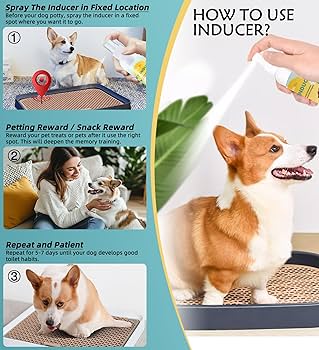
Credit: www.amazon.ca
Use Clear Commands
Training your dog to pee in one spot requires more than just patience; clear communication plays a crucial role. Using clear commands helps your dog understand exactly what you expect, reducing confusion and speeding up the training process. Let’s look at how simple words and the right timing can make all the difference.
Simple Words And Phrases
Choose short and consistent words like “Go potty”, “Bathroom”, or “Pee here”. Dogs respond better to simple phrases they hear repeatedly. Avoid changing the command frequently, as it can confuse your dog and slow progress.
Think about your own experience learning something new. Would you prefer a clear instruction or a vague one? The same principle applies to your dog.
Tone And Timing
Your tone should be firm but calm. Excitement or anger can make your dog anxious, which might disrupt their focus. Use a steady voice that your dog can easily recognize.
Timing is key. Say the command just before your dog starts to pee or right when you bring them to the spot. This helps your dog associate the command with the action. Have you noticed how a well-timed cue can speed up learning?
Reward And Reinforce Good Behavior
Rewarding and reinforcing your dog’s good behavior is key to training them to pee in one spot. Positive experiences help your dog understand exactly what you want. When you catch your dog peeing in the right place, rewarding them immediately makes a lasting impression.
Positive Reinforcement Techniques
Use treats, praise, and affection to encourage your dog when they pee in the designated spot. Timing is crucial—reward your dog right after they finish so they connect the treat with the action. Some dogs respond well to a favorite toy or a quick play session as a reward instead of food.
You can also use a consistent verbal cue like “Good potty!” to reinforce the behavior. Repeating this cue every time helps your dog associate the phrase with the desired action. Have you noticed how your dog perks up when you say their name excitedly? The same principle applies here.
Avoiding Punishment
Never punish your dog for accidents outside the spot. Punishment can create fear and confusion, making training harder. Instead, calmly clean the area and redirect your dog to the right place without scolding.
Think about how you’d respond if you were learning something new and got punished for mistakes. Would you feel motivated or anxious? Your dog feels the same way. Patience and gentle guidance work better than harsh reactions.
Focus on catching good behavior rather than dwelling on accidents. This positive approach helps your dog learn faster and builds trust between you. What small reward could you offer today to encourage your dog’s progress?

Credit: www.amazon.ca
Handle Accidents Calmly
Handling accidents calmly is crucial when training your dog to pee in one spot. Reacting with anger or frustration can confuse your dog and slow down the learning process. Your calm approach shows your dog that accidents are part of learning and encourages them to try again without fear.
Cleaning To Remove Odors
Cleaning accidents thoroughly is essential. Dogs are guided by smell, so if any odor remains, your dog might think it’s okay to go there again. Use an enzymatic cleaner specifically designed to break down urine molecules instead of regular household cleaners.
Regular soap and water may not fully remove the scent. Enzymatic cleaners target the bacteria causing the odor, helping to prevent repeat accidents. Have you noticed how your dog sometimes returns to the same spot? That’s the scent leading them back.
Staying Patient
Patience is your best tool during training. Your dog is learning a new habit, and like any learner, they will make mistakes. Each accident is a chance to reinforce where you want them to go without punishment.
Imagine trying to learn something new while someone reacts angrily every time you slip up. Would you want to keep trying? Your calmness creates a safe space for your dog to learn confidently. How do you stay patient when progress feels slow?
Gradually Increase Freedom
Gradually increasing your dog’s freedom helps build trust and good habits. It allows your dog to learn the right spot while gaining more independence. Patience is key during this phase. Watch your dog closely and give them space bit by bit.
Supervised Exploration
Let your dog explore outside but stay nearby. Watch for signs they need to pee. Praise them when they go in the correct spot. This teaches your dog that good behavior brings rewards. Keep these sessions short and positive. Your dog learns faster in a calm environment.
Reducing Leash Use
Slowly give your dog more freedom by loosening the leash. Start with a longer leash to allow some movement. Then, try short off-leash moments in a safe area. Always stay close and ready to guide your dog. This helps your dog feel safe while learning to pee in one spot. Never rush this process.
Troubleshoot Common Challenges
Training a dog to pee in one spot can face common challenges. These issues may slow progress or cause confusion. Knowing how to troubleshoot helps keep training on track. Addressing problems early saves time and stress.
Marking And Territorial Issues
Dogs mark territory by peeing in multiple places. This behavior confuses training efforts. Neutering or spaying often reduces marking urges. Clean marked areas with enzyme cleaners. This removes scent and stops repeat marking.
Use positive reinforcement when your dog pees in the right spot. Avoid punishment, as it creates fear. Give treats and praise immediately after correct peeing. Consistency helps your dog learn faster.
Reluctance To Use Spot
Some dogs avoid the designated pee spot. The area may have distracting smells or sounds. Choose a quiet, calm place for training. Take your dog there often, especially after meals or naps.
Encourage your dog by staying close and giving commands gently. Use treats as motivation. Be patient and keep sessions short. Gradually, your dog will feel comfortable using the spot.
Frequently Asked Questions
How Long Does It Take To Train A Dog To Pee In One Spot?
Training usually takes 2 to 4 weeks with consistent effort. Regular schedules and positive reinforcement speed up learning. Patience and routine are key for lasting results.
What Tools Help Train A Dog To Pee In One Spot?
Use pee pads, a designated outdoor area, and treats. A leash helps guide dogs to the spot. Consistent use of these tools improves training success.
How Often Should I Take My Dog To Pee Spot?
Take your dog every 1 to 2 hours initially. Frequent trips reduce accidents and build good habits. Gradually, extend time as training progresses.
Can Puppies Learn To Pee In One Spot?
Yes, puppies can learn with patience and routine. Start training early using praise and rewards. Consistency is vital for effective puppy training.
Conclusion
Training your dog to pee in one spot takes time and patience. Consistency helps your dog learn faster and better. Praise and reward good behavior to encourage your pet. Choose a quiet, easy-to-access area for training. Avoid punishing mistakes; stay calm and keep trying.
Small steps lead to big progress over days. Soon, your dog will understand where to go. Enjoy a cleaner home and a happier dog. Keep practicing, and success will follow.