Is your puppy growing fast, and you’re wondering when to switch to adult dog food? Knowing the right time to make this change is important for your dog’s health and happiness.
Feed them too early, and they might miss out on key nutrients; wait too long, and they could gain unnecessary weight. You’ll discover simple signs to watch for that tell you your dog is ready for adult food. Keep reading to make sure you give your furry friend the best start into their adult life.
When To Switch To Adult Food
Knowing when to switch your dog to adult food is important for their health. Puppies need extra nutrients to grow. Adult dogs require balanced diets for maintenance. Feeding the right food at the right time supports strong bones and healthy weight.
Timing the change depends on breed and growth speed. Watch your dog’s development closely. Signs of readiness help decide the switch. This ensures your dog gets the best nutrition.
Age Guidelines For Different Breeds
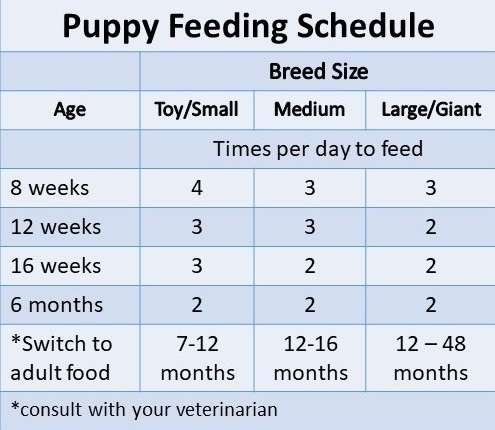
Small breeds mature faster than large breeds. Most small dogs can move to adult food around 9 to 12 months old. Medium breeds usually switch between 12 to 14 months. Large and giant breeds need more time, often 14 to 24 months.
| Breed Size | Recommended Age to Switch |
|---|---|
| Small Breeds | 9 – 12 months |
| Medium Breeds | 12 – 14 months |
| Large Breeds | 14 – 24 months |
Growth Milestones To Watch
- Check if your dog’s adult teeth are fully grown.
- Observe slowing growth in height and weight.
- Look for less puppy-like energy and behavior.
- Notice if your dog’s body shape becomes more defined.
- Consult your vet about your dog’s development.
These signs show your dog is ready for adult food. Changing too early or late can cause problems. Follow these milestones for a smooth transition.
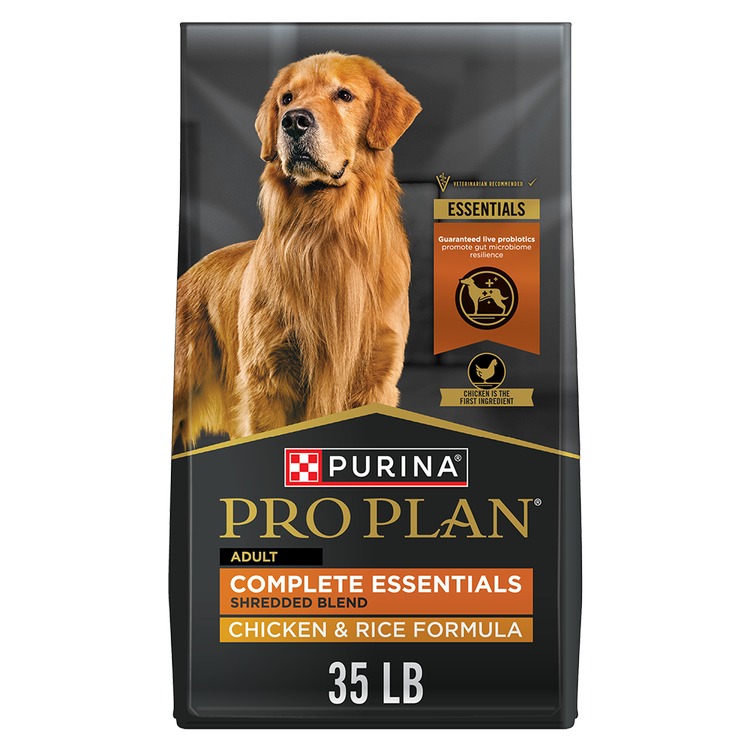
Credit: www.purina.com
Behavioral Changes To Notice
Watching your puppy grow brings many changes, not just in size but also in behavior. These shifts can signal when it’s time to switch from puppy food to adult dog food. Paying attention to your dog’s daily habits helps you make the right decision for their nutrition and health.
Decreased Appetite For Puppy Food
You might notice your dog isn’t as excited about their puppy meals anymore. They may eat less or even leave some food behind. This change can mean their nutritional needs are evolving as they grow.
Sometimes, your dog might sniff their bowl, then walk away. It’s not always a sign of illness but could indicate they’re ready for something different. Have you observed your dog turning down their usual food lately?
Increased Energy Levels
Adult dogs often have bursts of energy that differ from puppy playfulness. If your dog suddenly seems more active or restless, it might be due to their changing metabolism. This shift can mean they require a diet that supports sustained energy rather than rapid growth.
Notice if your dog tires less quickly on walks or seems eager to play for longer. These are clues that their body is moving into a new phase. Adjusting their food to adult formulas can help maintain this energy balance effectively.
Physical Signs Of Readiness
Transitioning your dog from puppy to adult food is a significant milestone. It’s essential to recognize the physical signs that indicate your furry friend is ready for this change. Observing these indicators will ensure your dog receives the right nutrition at the right time, supporting their growth and overall health.
Teeth Development
One of the first signs that your dog is ready for adult food is their teeth development. Puppies usually have their full set of adult teeth by the age of six to eight months. If you notice your dog gnawing on harder items with ease, it might be time to consider switching to adult kibble.
Adult food is designed for teeth that are fully developed, providing the right texture and size. Check your dog’s mouth regularly to see how their teeth are progressing. This also helps in maintaining their oral hygiene, which is crucial as they grow.
Weight And Size Indicators
Your dog’s weight and size can tell you a lot about their readiness for adult food. Most breeds reach their mature size between one to two years. When your dog approaches this size, they generally require a different nutritional balance than puppies.
Consider your dog’s breed and their typical growth patterns. Have you noticed a slowdown in your dog’s rapid growth spurts? This could be a signal that their nutritional needs are changing.
Think about your dog’s energy levels and activity. Are they as playful as ever, or have they settled into a calmer routine? These clues can guide you in deciding when to make the switch.
Have you ever wondered how your dog’s diet affects their behavior? Share your insights and experiences in the comments!
Digestive System Maturity
The digestive system of a puppy develops over time. This growth shows when the dog is ready to eat adult food. A mature digestive system can handle new types of food without trouble.
Knowing about digestive system maturity helps in making safe food choices. It ensures the dog’s health stays strong during diet changes.
Improved Digestion
As puppies grow, their stomach and intestines get stronger. They start breaking down food more efficiently. This means less stomach upset and better nutrient absorption. Puppies with improved digestion can handle adult food easier. Their bodies use nutrients from food better, supporting healthy growth.
Reduced Sensitivity
Puppies often have sensitive stomachs early on. This can cause diarrhea or vomiting from new foods. A mature digestive system is less sensitive. The dog can try new ingredients without getting sick. Reduced sensitivity means the dog is ready for adult food. Watch for fewer stomach issues as a clear sign.
Choosing The Right Adult Food
Choosing the right adult food for your dog is essential as it impacts their health, energy, and overall well-being. Your dog’s dietary needs change as they grow, so switching to adult food at the right time ensures they get the nutrients they need. Understanding what to look for in adult dog food helps you make the best choice for your furry friend.
Nutritional Needs Of Adult Dogs
Adult dogs need a balanced diet that supports their maintenance, not growth. Their food should be rich in protein to keep muscles strong and provide steady energy throughout the day.
Essential nutrients like vitamins, minerals, and fatty acids support healthy skin, a shiny coat, and a strong immune system. Too many calories can lead to weight gain, so portion control and the right calorie count matter.
Do you know how active your dog is daily? An active dog burns more calories and may need food with higher energy content, while a less active dog benefits from a lower-calorie diet to avoid unnecessary weight gain.
Types Of Adult Dog Food
Adult dog food comes in various forms, each with its own benefits. Dry kibble is convenient, helps keep teeth clean, and often lasts longer after opening.
Wet food has higher moisture content, which can be great for dogs that don’t drink enough water. It’s also usually more palatable, making it a good option for picky eaters.
Raw or homemade diets give you control over ingredients but require careful planning to meet all nutritional needs. Mixing types, like adding wet food to kibble, can provide variety and extra hydration.
- Dry Food:Easy to store, supports dental health
- Wet Food:High moisture, appealing taste
- Raw/Homemade:Customizable, requires knowledge
What type of food does your dog prefer? Paying attention to their taste and digestion can guide you toward the best adult food option.
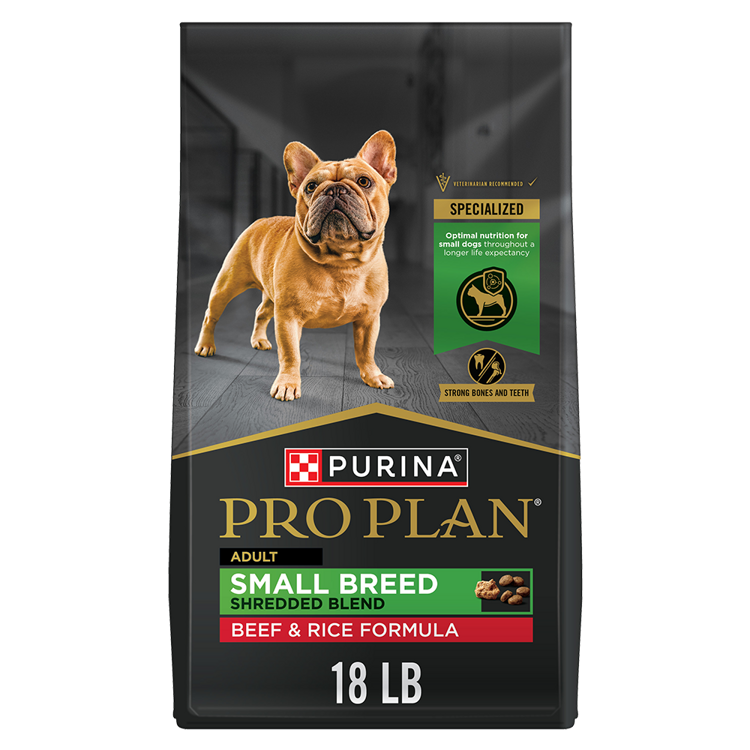
Credit: www.purina.com
Transitioning Tips
Switching your dog to adult food requires care and patience. The goal is to make the change smooth so your dog’s digestive system adjusts without trouble. Here are some practical tips to help you handle this important transition effectively.
Gradual Food Mixing
Start by mixing a small amount of adult food with your dog’s current puppy food. You might begin with 25% adult food and 75% puppy food for a few days.
Slowly increase the adult food portion while decreasing the puppy food over 7 to 10 days. This gradual shift helps avoid stomach upset or refusal to eat.
Have you noticed how your dog reacts to new tastes? Some dogs are more sensitive, so watching their eating habits closely is key during this phase.
Monitoring For Allergies
Watch for signs like itching, redness, or unusual stools after introducing adult food. Allergies can sometimes appear during diet changes, even if the food seemed safe before.
If your dog shows any discomfort, pause the transition and consult your vet. They might recommend a different formula or allergy testing.
Keeping a daily log of your dog’s reactions can help spot patterns you might otherwise miss. Have you tried noting down changes in behavior or digestion after meals?
Credit: www.vetsupply.com.au
Frequently Asked Questions
When Should I Switch My Dog To Adult Food?
Most dogs are ready for adult food between 12 to 18 months. Small breeds switch earlier, large breeds later. Consult your vet for a personalized timeline based on your dog’s breed and growth.
What Signs Show My Dog Needs Adult Food?
Look for slowed growth, less puppy energy, and adult teeth development. These signs indicate your dog’s nutritional needs have changed. Transitioning to adult food supports their health and energy levels.
How Do I Transition My Dog To Adult Food?
Gradually mix adult food with puppy food over 7 to 10 days. Increase adult food portion daily to avoid digestive upset. This slow transition helps your dog adjust to new nutrition comfortably.
Can Feeding Adult Food Too Early Harm My Dog?
Yes, switching too early can cause nutrient imbalances and growth issues. Puppies need puppy food nutrients to support development. Always follow vet advice to ensure proper timing for switching foods.
Conclusion
Knowing when your dog is ready for adult food helps keep them healthy. Watch for signs like size, teeth, and energy changes. Switching too early or late can cause problems. Choose adult food that suits their breed and activity. Always introduce new food slowly to avoid upset stomachs.
Pay attention to how your dog reacts to the change. This helps ensure they get the right nutrition. Taking these steps supports a happy, strong dog throughout life. Trust your observations and care for your furry friend.