
Training your dog to use the restroom outside can feel like a big challenge. You want your home to stay clean, and your dog to be happy and healthy.
But how do you start? What steps really work? Imagine never having to clean up indoor accidents again and enjoying more time outside with your furry friend. This guide will show you simple, effective ways to teach your dog where to go.
By the end, you’ll have clear, easy-to-follow tips that make potty training less stressful for both you and your dog. Keep reading to find out how to make this important habit stick!
Choose A Designated Spot
Choosing a designated spot for your dog’s restroom is crucial for effective training. This spot helps your dog understand where to go each time. Consistency builds good habits and reduces accidents inside the house.
The right location should be easy for your dog to reach and comfortable to use. It also needs to be a safe place away from busy roads or harmful objects. Picking the perfect spot makes the training process smoother for both of you.
Pick A Consistent Location
Choose one spot and stick to it every time. Dogs learn through repetition. Returning to the same place helps your dog associate that area with going to the bathroom.
Changing locations often can confuse your dog. A consistent spot creates a clear routine. Use landmarks or smells to help your dog recognize the spot.
Consider Convenience And Safety
Find a place close to your home’s exit for easy access. This saves time and effort during training sessions. Make sure the spot is quiet and calm to avoid distractions.
Check the area for hazards like sharp objects or harmful plants. Choose a clean, dry place to keep your dog healthy. Safety and comfort encourage your dog to use the spot regularly.
Set A Routine
Setting a consistent routine is key to helping your dog learn where and when to go to the bathroom. Dogs thrive on predictability, and a steady schedule can reduce accidents and confusion. It also helps you anticipate your dog’s needs, making potty breaks smoother for both of you.
Establish Regular Bathroom Times
Start by taking your dog out at the same times every day. Most dogs need to relieve themselves first thing in the morning, after meals, and before bedtime. Puppies may need more frequent trips, sometimes every 1-2 hours, because of their smaller bladders.
Watch your dog’s behavior closely during these times. Signs like sniffing around or circling often mean they need to go. Consistency helps your dog connect these moments with bathroom breaks, speeding up the training process.
Use Timers And Reminders
Set alarms on your phone or use timers to remind you when it’s time to take your dog out. This can be especially helpful if you have a busy schedule or tend to forget these breaks. It keeps you accountable and your dog on track.
You can also create a checklist or use apps designed for pet care to track bathroom times. These tools make it easier to spot patterns and adjust your routine if needed. Have you noticed certain times when your dog needs more frequent breaks? A timer can help you catch those moments.
Use Commands And Cues
Commands and cues help your dog understand where to go. Use simple words like “go potty” and say them consistently. Reward your dog after they follow the cue outside.
Training your dog to use the restroom outside can be simplified by using commands and cues. Establishing a clear communication path with your furry friend is essential. Consistent verbal cues will help your dog understand when it’s time to go outside, making the training process more effective.Select A Clear Verbal Cue
Choose a simple, distinct word or phrase. Words like “potty” or “outside” work well because they are short and easy to remember. Consistency is key—use the same word every time you take your dog out. Imagine how confused your dog might be if you keep changing the cue. Stick to the chosen phrase to avoid any misunderstanding. Your dog will soon recognize this word as a signal to head outside.Pair Cue With Bathroom Trips
As you take your dog outside, say the chosen cue. This helps your dog associate the cue with the action of going outside. Repetition is your ally here. Every time your dog successfully uses the restroom outside, praise them immediately. Use enthusiastic words like “Good job!” or “Well done!” to reinforce the behavior. Consistent praise helps your dog understand they did something right. Think about your own learning experiences. Don’t you remember things better when there’s a reward or positive outcome? The same applies to your dog. This combination of cues and praise builds a reliable routine, creating a more harmonious home life for both of you.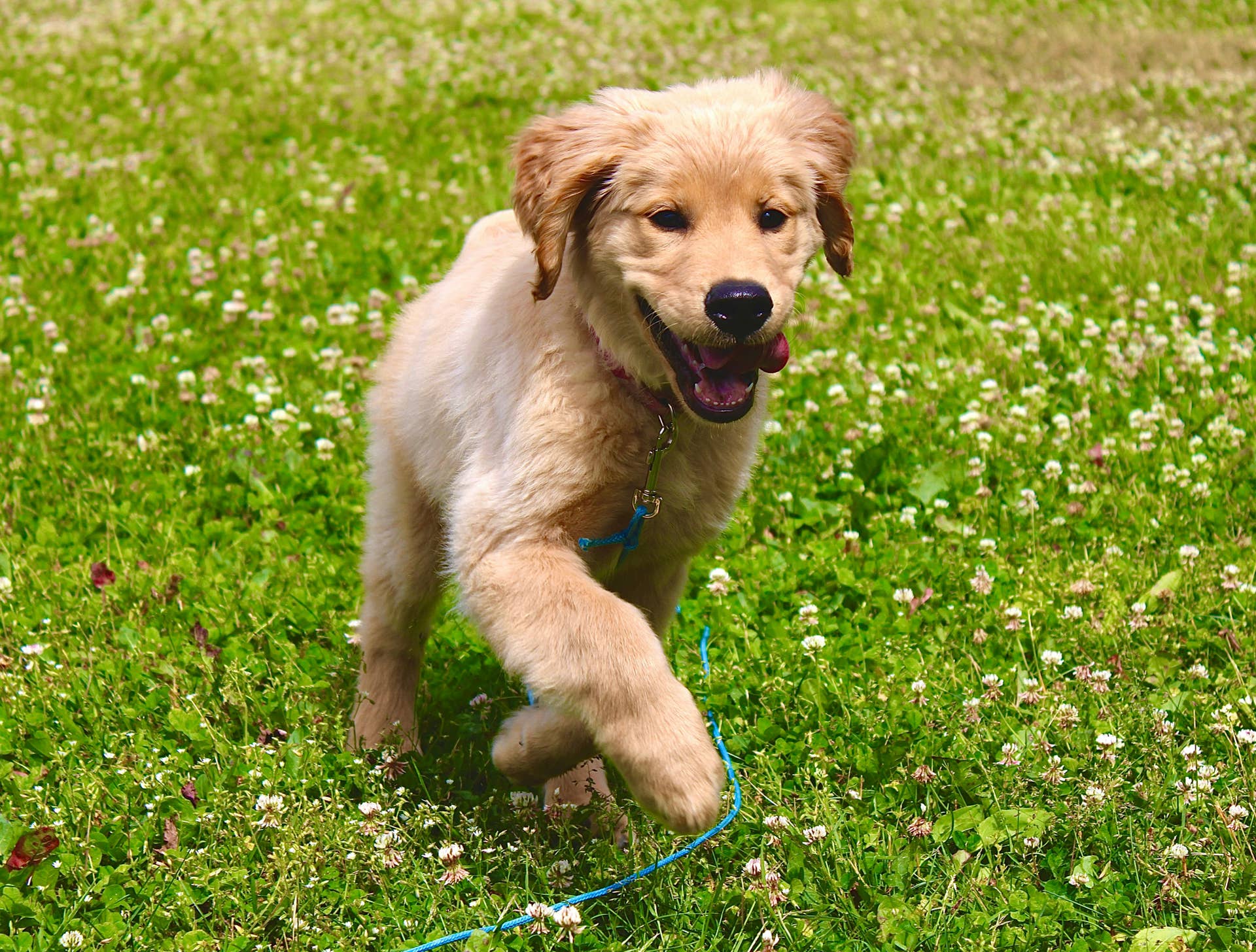
Credit: pethelpful.com
Reward Desired Behavior
Rewarding your dog’s desired behavior is key to successful outdoor restroom training. Dogs learn best when they connect an action with a positive outcome. Catching your dog in the act and rewarding immediately helps build that connection quickly and clearly.
Offer Treats Immediately
Timing is everything when offering treats. Give your dog a small, tasty treat right after they finish their business outside. If you wait too long, they might not link the reward with the right behavior.
Keep treats handy during training sessions. You might find that your dog responds better to high-value treats like small pieces of chicken or cheese rather than regular kibble. Have you noticed how your dog’s eyes light up at certain snacks? Use that to your advantage.
Use Praise And Affection
Words and touch can be powerful motivators too. Use a happy, enthusiastic tone to say things like “Good job!” or “Well done!” right after your dog finishes outside. Combine this with gentle petting or a belly rub to reinforce the positive feeling.
Remember, dogs thrive on your attention. Even if you don’t have a treat on hand, consistent praise and affection can encourage repeat behavior. What kind of praise does your dog respond to best?
Monitor And Supervise
Monitoring and supervising your dog during potty training is essential. It helps prevent accidents and builds good habits. You need to be alert and ready to guide your dog outside. Careful observation allows quick action when your dog needs to go. This keeps your home clean and your dog confident.
Watch For Signs Of Needing To Go
Dogs show clear signs when they need to relieve themselves. Look for sniffing around, circling, or whining. Some dogs pace or go to the door. Learn your dog’s unique signals. Acting fast means you can take your dog outside before an accident happens. Praise your dog immediately after going outside to reinforce good behavior.
Limit Access Indoors When Unsupervised
Keep your dog in a small, safe area when you cannot watch closely. Use baby gates or crates to restrict their space. This limits accidents and teaches your dog to hold it until outside. Avoid giving full run of the house too soon. Gradually increase freedom as your dog learns to wait for bathroom breaks.
Handle Accidents Calmly
Accidents are bound to happen when training your dog to use the restroom outside. How you respond can either help your dog learn faster or create confusion and fear. Staying calm during these moments is key to maintaining trust and encouraging good behavior.
Avoid Punishment
Reacting with anger or punishment can scare your dog and make them anxious about going near you when they need to relieve themselves. Instead, keep your tone gentle and neutral. Dogs learn best through positive reinforcement, so focus on praising them when they do go outside.
If you catch your dog in the act indoors, calmly interrupt them and take them outside immediately. This shows them where they should go without creating fear. Remember, your dog doesn’t understand punishment for accidents—they just know that you’re upset.
Clean Thoroughly To Remove Odors
Cleaning up accidents properly is crucial. Dogs are guided by scent, so if any odor remains, they may think it’s an acceptable spot to go again. Use an enzymatic cleaner designed for pet messes to break down the smell completely.
A common mistake is using regular household cleaners that mask but don’t remove the odor. This can confuse your dog and slow down training. You want your home to smell fresh and neutral, helping your dog associate outside as the right place to go.
Adjust Training For Puppies
Training a puppy to use the restroom outside requires a different approach than training an adult dog. Puppies have smaller bladders and shorter attention spans, so your methods need to be gentle and flexible. Adjusting your training routine to fit their unique needs will make the process smoother and less stressful for both you and your furry friend.
Shorter Training Sessions
Puppies can quickly get overwhelmed or distracted. Keep your training sessions brief, around 5 to 10 minutes, to hold their attention and avoid frustration.
During these short sessions, focus on clear commands and positive reinforcement. Celebrate small wins like sniffing around the right spot or even just pausing outside.
Have you noticed how your puppy’s energy fluctuates? Use those moments of alertness to maximize training success.
Frequent Breaks Outside
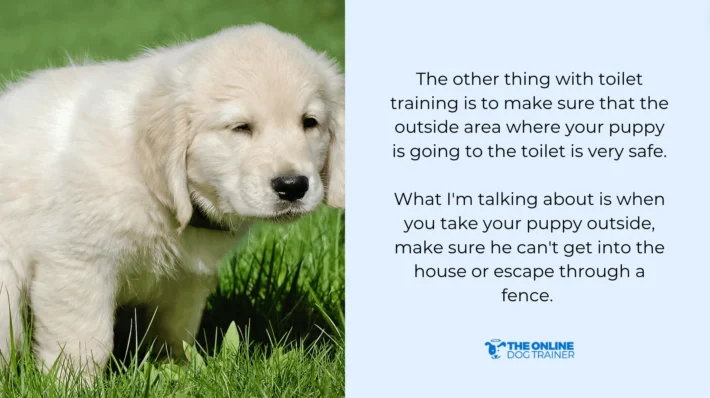
Because puppies can’t hold their bladder for long, take them outside more often—every 30 to 60 minutes is ideal.
Set a consistent schedule for bathroom breaks, including right after meals, naps, and playtime. This builds their routine and reduces accidents indoors.
Don’t forget to observe your puppy’s signals, like restlessness or sniffing the floor. Responding quickly can reinforce good habits and prevent messes.
Credit: theonlinedogtrainer.com
Troubleshoot Common Issues
Troubleshooting common issues while training your dog to use the restroom outside can save you time and frustration. Each dog reacts differently, so understanding the root of the problem helps you tailor your approach. Let’s look at how to handle reluctance and anxiety effectively.
Address Reluctance To Go Outside
If your dog hesitates to go outside, start by checking the environment. Is the outdoor area clean, quiet, and inviting? Dogs dislike noisy or busy places when they need to relieve themselves.
Try taking your dog to a calm, grassy spot away from distractions. Bring treats to reward them as soon as they go. Consistent positive reinforcement builds a strong connection between the outdoors and good things.
Ask yourself: Have you been patient enough? Sometimes, dogs need extra time to feel comfortable. Keep your tone cheerful and encouraging to make outings a positive experience.
Manage Anxiety Or Fear
Some dogs show anxiety or fear about going outside, especially if they’ve had bad experiences. Watch for signs like trembling, whining, or refusing to move.
Help your dog feel safe by staying close and offering gentle praise. Use a favorite toy or treat to distract and motivate them. Short, frequent trips outside can gradually reduce their stress.
Consider your dog’s history—have loud noises or harsh weather scared them before? Adjust your training schedule to quieter times of day or sheltered spots. Your calm presence reassures your dog that the outside world is not a threat.
Credit: www.purina.com
Frequently Asked Questions
How Long Does It Take To Train A Dog To Go Outside?
Training duration varies, typically 4 to 6 weeks. Consistency and patience speed up learning. Puppies need frequent outdoor breaks to build habits.
What Are The Best Signals To Teach Outdoor Restroom Use?
Use a consistent command like “go potty” and reward immediately. Watch for signs like sniffing or circling to guide your dog outdoors.
How Often Should I Take My Dog Outside For Bathroom Breaks?
Take your dog outside every 2 to 3 hours, especially after meals, naps, and playtime. Frequent breaks prevent accidents and reinforce good habits.
How Do I Handle Accidents Inside During Training?
Stay calm and clean accidents thoroughly to remove odors. Avoid punishment; instead, increase outdoor breaks and praise your dog for outdoor success.
Conclusion
Training your dog to use the restroom outside takes patience and time. Stay consistent with your schedule and praise your dog often. Watch for signs your dog needs to go out. Keep the process positive and calm. Soon, your dog will learn where to go.
Enjoy the cleaner home and happier pet. Small steps lead to great results. Keep trying, and success will follow.
