Have you ever thought about turning your love for dogs into a meaningful career? Becoming a dog trainer for service animals could be the perfect path for you.
Imagine helping dogs learn skills that change lives—giving independence and confidence to people who need it most. This job isn’t just about training dogs; it’s about making a real difference every day. If you want to know exactly how to start, what skills you need, and how to succeed, keep reading.
Your journey to becoming a trusted service dog trainer begins right here.
Skills Needed For Service Dog Training
Training service dogs requires a unique blend of skills that go beyond basic obedience teaching. You need to understand the dog’s mind and behavior deeply while being able to maintain calm and clear communication. These skills help you build trust with the dog and ensure it can perform vital tasks reliably for its handler.
Patience And Consistency
Patience is essential because service dogs often take time to learn complex tasks. You might repeat the same exercise dozens of times before the dog masters it. Staying consistent in your commands and routines helps the dog understand what is expected without confusion.
Think about a time when you tried to teach someone a new skill. Did rushing or changing instructions help? Probably not. Your steady approach will make a big difference in the dog’s progress.
Animal Behavior Knowledge
You must recognize signs of stress, distraction, or confusion in the dog. This helps you adjust your training methods effectively. Understanding body language like tail position, ear movement, or eye contact can tell you if the dog is ready to learn or needs a break.
Knowing breed tendencies and individual quirks also helps tailor training. For example, a Labrador may respond differently than a German Shepherd to certain stimuli. How well do you read non-verbal cues from animals?
Communication Techniques
Clear communication means using simple commands with consistent tone and gestures. Dogs pick up on your energy, so staying calm and positive encourages cooperation. Avoid long sentences; short, sharp commands work best.
Additionally, rewarding good behavior immediately with treats or praise reinforces learning. Have you noticed how timing can make or break a training session? Your ability to communicate effectively shapes the dog’s confidence and willingness to work.
Educational Paths And Certifications
Becoming a dog trainer for service animals requires solid education and proper certifications. These build the skills needed to train dogs that assist people with disabilities. Understanding the right educational paths helps set a strong foundation for this career.
Training service animals demands knowledge of animal behavior, psychology, and practical techniques. Certifications prove your expertise to clients and employers. Staying updated with new methods keeps your skills sharp and relevant.
Relevant Degrees And Courses
Degrees in animal science, psychology, or veterinary technology provide useful knowledge. Courses in animal behavior and training techniques add practical skills. Many colleges offer programs tailored to working with animals.
- Animal Science
- Psychology
- Veterinary Technology
- Behavioral Science
- Specialized Dog Training Workshops
These degrees and courses help you understand the science behind training. They also teach how to handle different dog breeds and temperaments effectively.
Certification Programs For Trainers
Certification shows you meet industry standards. Many organizations offer specialized certificates for service animal trainers. These programs include hands-on training and exams.
- Certified Professional Dog Trainer (CPDT)
- International Association of Assistance Dog Partners (IAADP)
- Assistance Dogs International (ADI) Accreditation
- National Association of Dog Obedience Instructors (NADOI)
Certifications boost your credibility and open job opportunities. They also teach ethical training methods and client communication skills.
Continuing Education
Training methods evolve with new research. Continuing education keeps trainers updated on best practices. Workshops, seminars, and online courses provide ongoing learning.
- Annual Workshops
- Webinars on New Training Techniques
- Conferences on Service Animal Training
- Advanced Certifications
Regular learning ensures trainers deliver the best support to service animals and their handlers. It also helps maintain certifications and professional licenses.
Hands-on Experience
Hands-on experience is a crucial step in becoming a proficient dog trainer for service animals. It bridges the gap between theoretical knowledge and practical application, allowing you to refine your skills and understand the nuances of training service dogs. Diving into real-world experiences not only boosts your confidence but also enhances your ability to handle diverse training scenarios.
Volunteering With Service Dog Organizations
Volunteering with service dog organizations offers a unique opportunity to learn directly from professionals. You can observe and assist in training sessions, gaining insight into different training techniques and methodologies. This experience also helps you network with experienced trainers and opens doors to future opportunities.
In my early days, volunteering with a local service dog organization taught me the importance of patience and consistency. It was fascinating to see how the trainers adapted their methods to suit individual dogs. Have you considered how hands-on learning could accelerate your growth as a trainer?
Apprenticeships And Internships
Apprenticeships and internships provide structured learning environments where you can hone your skills under the guidance of seasoned trainers. These programs often offer a more in-depth look at the training process, from puppy development to advanced task training. Engaging in these opportunities not only enhances your technical skills but also offers valuable mentorship.
During my internship, I learned the art of reading a dog’s body language, a skill that textbooks couldn’t fully convey. The real-world experience was invaluable in teaching me how to adapt and respond effectively. Are you ready to immerse yourself in a learning environment that challenges and inspires you?
Building A Training Portfolio
Creating a training portfolio is essential for showcasing your skills and experience to potential clients or employers. Document your training sessions with photos, videos, and detailed notes to illustrate your methods and successes. A well-curated portfolio not only highlights your expertise but also builds trust with those seeking your services.
When I started compiling my portfolio, it was a revelation to see my growth as a trainer documented over time. Each entry reminded me of the challenges overcome and the progress made. What stories will your portfolio tell about your journey as a service dog trainer?
Training Techniques For Service Dogs
Training techniques for service dogs focus on clear communication and consistency. Each dog learns through repetition and positive reinforcement. Trainers must be patient and attentive to the dog’s responses. The goal is to build trust and reliable behavior. Training covers basic obedience, specific tasks, and social skills. These areas prepare the dog to assist people with disabilities effectively.
Basic Obedience Training
Basic obedience is the foundation of all service dog work. Commands like sit, stay, come, and heel are essential. Trainers use short, clear commands paired with rewards. Training sessions should be brief but frequent. This keeps the dog focused and eager to learn. Mastering obedience ensures the dog listens in various situations.
Task-specific Training
Task-specific training teaches dogs to perform duties tailored to the handler’s needs. This might include retrieving items, opening doors, or alerting to sounds. Trainers break tasks into small, manageable steps. Positive reinforcement encourages the dog to complete each step correctly. Consistent practice helps the dog perform tasks smoothly and confidently.
Socialization And Public Access
Service dogs must behave well in public places. Socialization exposes them to different environments, people, and noises. Trainers take dogs to parks, stores, and public transport. The goal is calm and focused behavior despite distractions. Good public manners ensure the dog supports its handler without causing issues.
Legal And Ethical Considerations
Becoming a dog trainer for service animals involves more than teaching commands and skills. You must navigate important legal and ethical considerations that protect both the handler and the animal. Understanding these factors helps you build trust and maintain professionalism in your work.
Ada Compliance
The Americans with Disabilities Act (ADA) sets rules about service animals in public spaces. As a trainer, you need to know what qualifies a dog as a service animal under this law. This ensures you train dogs only for legitimate tasks that assist people with disabilities.
Knowing ADA guidelines helps prevent misuse and protects the rights of individuals relying on service dogs. Have you ever wondered how a trainer verifies the specific tasks a dog must perform? Clear communication with your clients about these legal definitions is key.
Animal Welfare Standards
Training service dogs requires respect for their well-being at every stage. You should use humane methods that avoid stress or harm. Positive reinforcement techniques often yield better results and keep dogs motivated.
Consider the dog’s physical and emotional health. Are you allowing enough rest and socialization? Proper care not only improves training outcomes but also upholds ethical responsibilities.
Client Confidentiality
Working with service animal handlers often means handling sensitive personal information. Maintaining strict confidentiality is essential to protect your clients’ privacy. Never share details about their disabilities or training progress without permission.
Secure communication channels and clear confidentiality agreements build trust. How comfortable would you feel if your personal needs were shared without consent? Treat your clients’ information with the same care you give to training their dogs.
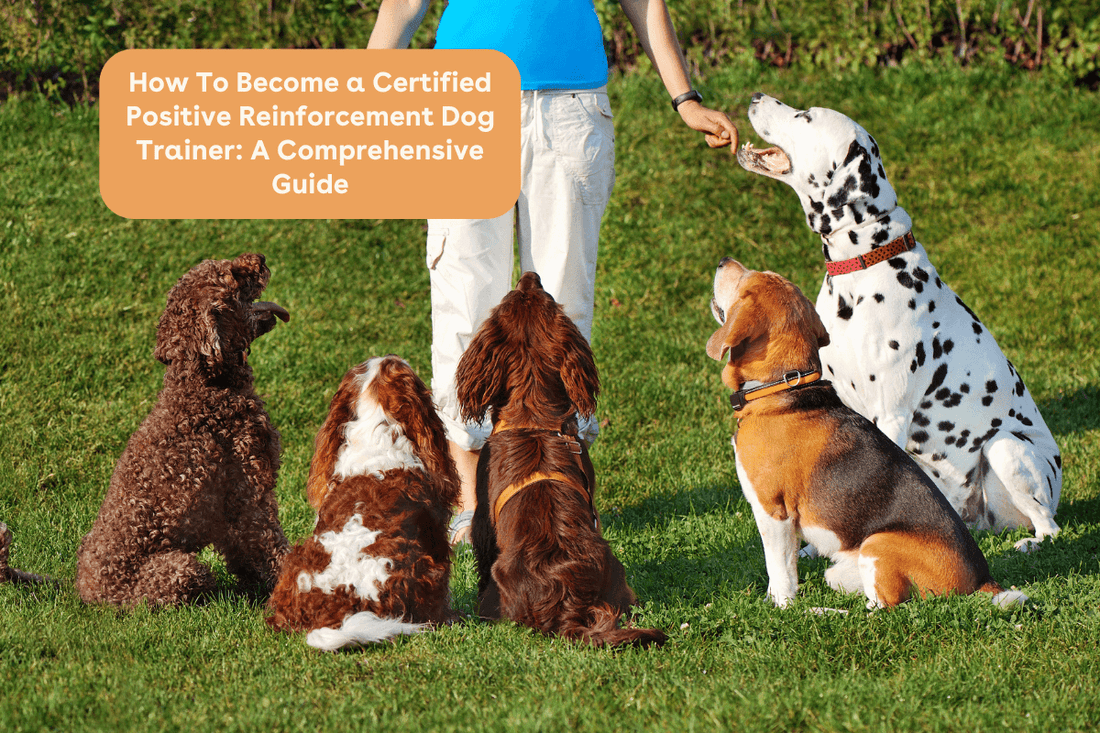
Credit: pupford.com
Starting A Career As A Service Dog Trainer
Starting a career as a service dog trainer requires more than just knowledge of dog behavior. It demands a strategic approach to find the right opportunities, build trust with clients, and establish your reputation. Understanding where and how to begin can shape your success in this specialized field.
Finding Employment Opportunities
Look for job openings at organizations that train service animals, such as nonprofits, hospitals, or government agencies. Many of these places seek trainers with hands-on experience and certification. Don’t overlook local animal shelters or veterinary clinics—they sometimes offer or know about training roles.
Consider volunteering or internships to gain practical experience and make connections. These positions often lead to paid roles once you prove your skills. Have you reached out directly to organizations in your area to ask about openings?
Setting Up A Private Practice
If you prefer independence, starting your own training business is an option. Begin by defining your services clearly—such as obedience, task training, or behavior modification specifically for service animals. Invest in quality equipment and create a safe, distraction-free training environment.
Think about your pricing and payment methods. Transparent and fair rates build client confidence. Also, ensure you have liability insurance to protect yourself and your clients.
Networking And Building Clientele
Building relationships is key to success. Connect with healthcare professionals, disability advocates, and local dog trainers who can refer clients. Attend community events or seminars related to service animals to meet potential clients and partners.
Ask satisfied clients for testimonials and referrals. Positive word-of-mouth is powerful in this field. How can you make your services stand out to those who need them most?
Challenges And Rewards
Becoming a dog trainer for service animals comes with its unique set of challenges and rewards. The journey demands patience, dedication, and a deep understanding of both canine behavior and human needs. But the impact you make on someone’s life through your work can be profoundly fulfilling.
Common Obstacles
Training service dogs is not a quick process. You will often face setbacks like a dog struggling to learn a task or behavioral issues that take time to correct. These moments test your problem-solving skills and your ability to stay calm under pressure.
Another challenge is managing the expectations of clients who rely heavily on these animals. Their emotional investment can add extra pressure on you to deliver results quickly. Balancing empathy with realistic timelines is a critical skill you must develop.
Success Stories
There is nothing quite like witnessing a service dog successfully assist its handler for the first time. One trainer shared how a dog they worked with helped a veteran regain independence after years of struggle. Stories like this remind you why the difficult moments are worth it.
Each success reinforces your role in transforming lives. These stories also help build your confidence and reputation in the field, opening doors to more opportunities. What will your success story look like?
Long-term Career Growth
Service dog training can evolve into a lifelong career with many paths to explore. As you gain experience, you can specialize in different types of service dogs, such as those for medical alerts or mobility assistance. This variety keeps the work engaging and challenging.
Building strong relationships with organizations and clients leads to steady work and professional growth. Investing in continuous learning and certifications will keep your skills sharp and your career moving forward. Are you ready to commit to this rewarding journey?
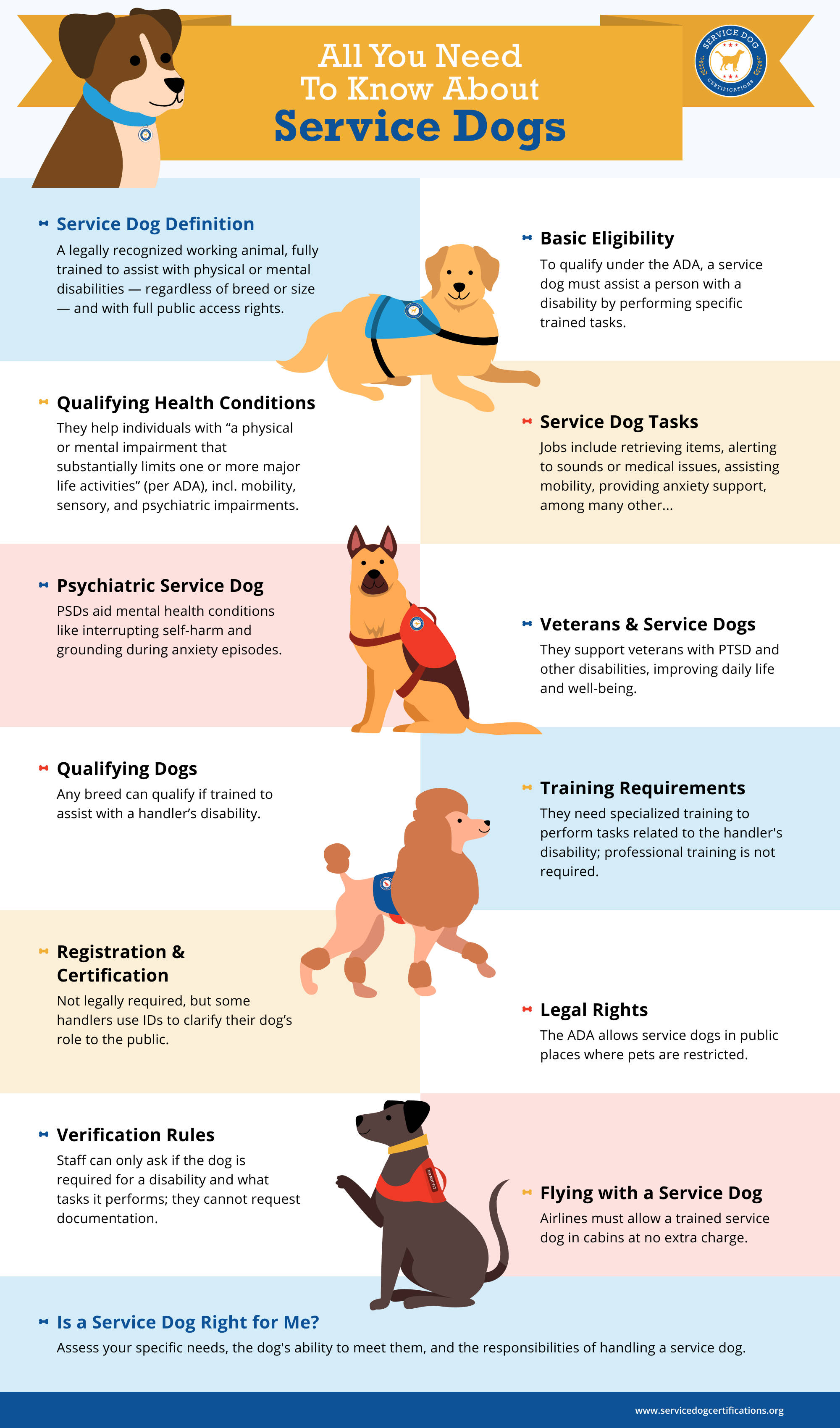
Credit: www.servicedogcertifications.org

Credit: www.youtube.com
Frequently Asked Questions
What Qualifications Do I Need To Train Service Dogs?
You need a strong understanding of dog behavior and training methods. Certification from a recognized program boosts credibility. Experience with obedience and specialized training is essential. Patience, consistency, and knowledge of service animal laws are also important.
How Long Does It Take To Become A Dog Trainer?
Becoming proficient typically takes 6 months to 2 years. This depends on your learning pace and training complexity. Gaining hands-on experience is crucial. Continuous education and certification improve your skills and career prospects.
What Skills Are Essential For Training Service Animals?
Key skills include patience, communication, and problem-solving. You must understand canine behavior deeply. Training requires consistency and adaptability. Knowledge of specific disabilities and legal guidelines is also vital.
Can I Train Service Dogs Without Formal Education?
Yes, but formal education accelerates learning and credibility. Many trainers start with hands-on experience and apprenticeships. Certification enhances trust with clients and employers. Continuous learning is critical to stay updated on best practices.
Conclusion
Becoming a dog trainer for service animals takes time and patience. Start by learning basic dog training skills. Gain experience with different dogs and their needs. Seek certification to build trust and prove your skills. Always stay kind and consistent with your training methods.
Remember, helping service animals means helping people too. Keep practicing and growing your knowledge every day. This path is rewarding for those who love dogs and want to make a difference.