

Are you wondering if it’s okay to feed your adult dog puppy food? You’re not alone.
Many pet owners ask this question because they want what’s best for their furry friend. But before you pour that puppy kibble into your dog’s bowl, it’s important to understand what could happen. Your dog’s health, energy, and happiness depend on the right nutrition.
Keep reading to find out the truth about feeding adult dogs puppy food and how to make the best choice for your loyal companion.
Nutritional Needs Of Adult Dogs
The nutritional needs of adult dogs differ significantly from those of puppies. Feeding your adult dog a diet meant for puppies can lead to nutritional imbalances. Understanding these needs helps ensure your furry friend remains healthy and happy.
Calorie Requirements
Adult dogs generally require fewer calories than puppies. Puppies are in a growth phase, needing extra energy for development, while adult dogs maintain their weight and activity levels. Feeding puppy food to adult dogs can lead to weight gain, which may cause health issues like diabetes or arthritis.
Protein And Fat Levels
While puppies need higher protein and fat levels for growth, adult dogs require a balanced diet to maintain muscle and energy. Puppy food often contains elevated protein and fat, which might be excessive for adults. This imbalance can strain your dog’s kidneys and lead to obesity.
Essential Vitamins And Minerals
Adult dogs need specific vitamins and minerals in appropriate amounts to support their immune system and overall health. Puppy food is often fortified with nutrients suitable for growth, but these can be overabundant for an adult dog’s needs. Feeding the wrong balance could lead to deficiencies or excesses that affect their well-being.
Have you ever wondered if your dog’s diet is truly meeting their age-specific needs? Ensuring your adult dog gets the right nutrition can significantly impact their quality of life.

Credit: www.petscare.com
Ingredients In Puppy Food
Puppy food is specially formulated to support the rapid growth and development of young dogs. Its ingredients differ significantly from those in adult dog food, aiming to meet the unique needs of puppies. Understanding these differences can help you decide whether feeding puppy food to your adult dog is a good idea.
Higher Calories And Nutrients
Puppy food contains more calories per serving than adult dog food. This extra energy fuels a puppy’s active lifestyle and supports their rapid growth.
It also has higher levels of protein and fat, which are essential for building muscles and developing a strong immune system. Adult dogs generally don’t need this much energy, so feeding them puppy food could lead to weight gain.
Growth-boosting Additives
Puppy food often includes added vitamins and minerals like calcium and phosphorus. These support healthy bone development and overall growth.
Ingredients such as DHA (an omega-3 fatty acid) are added to promote brain and eye development. These extras are unnecessary for adult dogs and might disrupt their nutrient balance.
Differences From Adult Dog Food
Adult dog food is designed to maintain health and energy levels rather than promote growth. It typically has fewer calories and a different nutrient ratio to prevent obesity and related health issues.
The texture and kibble size may also differ to suit adult dogs’ chewing abilities. Feeding puppy food to an adult dog can sometimes cause digestive upset or nutrient imbalances over time.
Potential Benefits Of Puppy Food For Adults
Feeding adult dogs puppy food is often seen as a no-go, but there are situations where it might actually offer some benefits. Puppy food is packed with nutrients designed for growth and development, which can sometimes help adult dogs, depending on their lifestyle and health. Let’s look at how puppy food might support certain adult dogs in unique ways.
Support For Active Lifestyles
If your adult dog is highly active—think agility training, hiking, or regular intense play—the extra calories and protein in puppy food can help maintain their energy levels. Puppy formulas often contain more fat and protein, which can support muscle repair and endurance. Have you noticed your energetic dog slowing down? A temporary switch to puppy food might give them a boost.
Weight Gain Considerations
Some adult dogs struggle to maintain a healthy weight due to high metabolism or medical conditions. Puppy food’s richer calorie content can assist in healthy weight gain without the need for large food volumes. Instead of feeding more of their regular adult food, a nutrient-dense puppy formula might be easier on their digestion and still add pounds.
Recovery And Health Conditions
After surgery or illness, dogs often need extra nutrition to heal quickly. Puppy food’s enhanced nutrient profile can support tissue repair and strengthen the immune system. If your dog is recovering and seems to have a reduced appetite, the palatability and richness of puppy food might encourage eating and speed up recovery.
Risks Of Feeding Puppy Food To Adult Dogs
Feeding adult dogs with puppy food might seem harmless, but it carries some risks. Puppy food has more calories and nutrients designed for growing dogs. Adult dogs have different dietary needs, and excess nutrients can cause problems. Understanding these risks helps keep your dog healthy and happy.
Obesity And Overnutrition
Puppy food contains extra calories to support growth. Adult dogs eating this food may gain weight quickly. Too many calories lead to obesity, which strains the heart and joints. Overnutrition can also cause imbalances in vitamins and minerals. Maintaining a healthy weight is key for adult dogs’ well-being.
Digestive Issues
The rich ingredients in puppy food can upset an adult dog’s stomach. Digestive problems like diarrhea or constipation may occur. Some adult dogs have sensitive stomachs that do not tolerate puppy formulas well. Feeding the wrong food can disrupt gut health and cause discomfort.
Long-term Health Effects
Continuous feeding of puppy food may harm adult dogs over time. Excess nutrients may affect organ functions, especially kidneys and liver. It can also lead to joint problems due to unbalanced calcium and phosphorus. Long-term health needs careful matching of diet to the dog’s life stage.
When Puppy Food Might Be Appropriate
While adult dogs usually thrive on food formulated for their age group, there are specific situations where feeding puppy food can be beneficial. Puppy food is richer in calories, protein, and nutrients to support rapid growth, but these qualities can also help certain adult dogs with unique needs. Understanding when it’s appropriate to use puppy food can help you make informed choices for your dog’s health.
Senior Dogs With Special Needs
Senior dogs sometimes face health challenges that affect their ability to maintain muscle and energy. If your older dog is losing weight or muscle mass, puppy food’s higher protein and calorie content might help them regain strength. However, it’s important to consult your vet before making this change to avoid overfeeding or upsetting their digestion.
Pregnant Or Nursing Dogs
Pregnant or nursing dogs require extra nutrients to support their puppies and maintain their own health. Puppy food provides the additional calories, vitamins, and minerals needed during these demanding stages. Feeding puppy food during this time can ensure your dog and her puppies get the energy they need without the risk of nutrient deficiencies.
Underweight Or Malnourished Adults
If your adult dog is underweight or recovering from illness, puppy food can be a helpful way to boost calorie intake and promote weight gain. Its nutrient-dense formula supports rebuilding muscle and restoring energy levels more quickly than regular adult dog food. Keep an eye on your dog’s progress and adjust their diet as they regain a healthy weight.
Expert Recommendations
Feeding your adult dog puppy food might seem like a harmless choice, but experts urge caution. Nutritional needs vary greatly between puppies and adult dogs, so understanding expert advice can help you make the best decision for your pet’s health. Here’s what professionals recommend to keep your furry friend thriving.
Consulting Your Veterinarian
Before making any changes to your dog’s diet, talk to your veterinarian. They know your dog’s health history and can provide personalized advice. Your vet can tell you if puppy food is appropriate or if it might cause issues like weight gain or nutrient imbalances.
Have you noticed changes in your dog’s energy or weight? Bringing those observations to your vet can guide the right food choice. Remember, what works for one dog might not work for another.
Choosing The Right Food Formula
Not all puppy foods are created equal. Some have higher calories and fats meant to support growth, which could be too much for an adult dog. Look for formulas that specifically mention suitability for adult dogs or all life stages if you consider using puppy food.
Pay attention to protein sources and levels. Adult dogs generally need less protein than puppies, so picking a formula with balanced nutrients helps avoid health problems. You might find options labeled “growth” or “maintenance”—choose wisely based on your dog’s needs.
Monitoring Your Dog’s Health
After switching foods, keep a close eye on your dog’s behavior, weight, and coat condition. Changes in appetite, digestion, or energy levels can signal that the food isn’t the right fit. Regular check-ins with your vet during this period are crucial.
Try keeping a simple health journal for your dog. Note any changes you see daily—it helps you stay alert and provides useful information for your vet. What small signs might you be overlooking that indicate your dog’s diet isn’t working?
Alternatives To Puppy Food For Adults
Choosing the right food for your adult dog is important for their health and happiness. If you’re wondering about alternatives to puppy food, there are plenty of options that meet your dog’s nutritional needs without overloading them with extra calories or growth-focused nutrients. Let’s look at some practical choices that keep your dog strong and satisfied.
Adult Dog Food Varieties
Adult dog food comes in many forms, including dry kibble, wet cans, and raw diets. Each type offers different benefits. For example, kibble is convenient and helps keep teeth clean, while wet food can be more appealing for picky eaters.
Look for adult formulas tailored to your dog’s size, breed, and activity level. Large breed adult food supports joint health, while formulas for small breeds focus on higher energy density. You can even find grain-free or limited ingredient options if your dog has sensitivities.
Custom Diet Plans
Have you ever thought about creating a diet plan just for your dog? Working with a vet or pet nutritionist lets you design meals that match your dog’s unique needs. This approach is perfect if your dog has allergies, weight issues, or specific health concerns.
Custom plans often combine fresh meats, vegetables, and grains, offering balanced nutrition without unnecessary additives. You can prepare meals at home or find specialized commercial diets that fit your plan. This way, you control exactly what your dog eats every day.
Supplements And Additives
Sometimes, adult dog food alone might not cover everything your dog needs. Adding supplements can fill nutritional gaps. Common choices include omega-3 fatty acids for coat health, glucosamine for joints, and probiotics for digestion.
Before adding supplements, consider your dog’s current diet and health status. Consulting your vet ensures you don’t overdo it and that the supplements actually benefit your dog. Are you ready to enhance your dog’s diet with targeted nutrients?
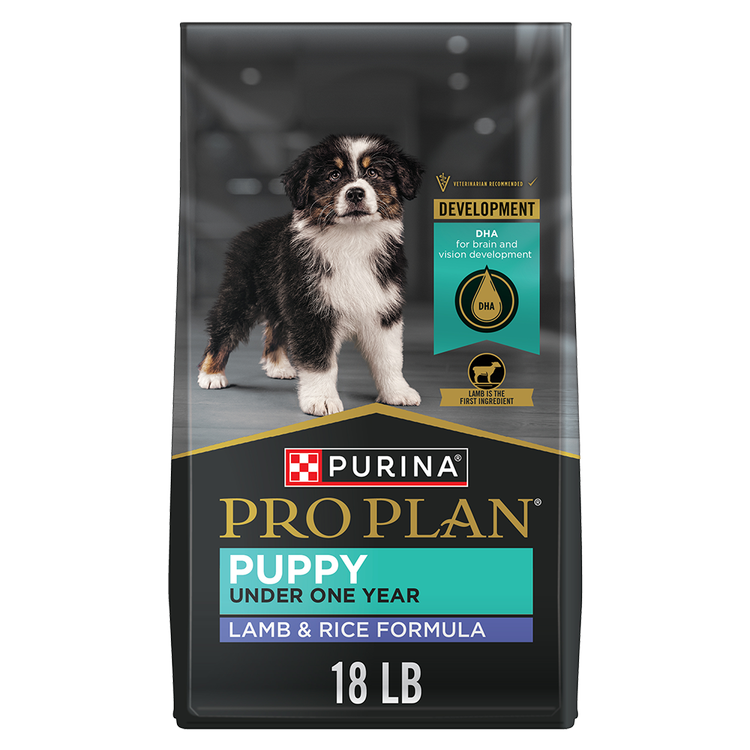
Credit: www.purina.com

Credit: www.becopets.com
Frequently Asked Questions
Is It Safe To Feed Adult Dogs Puppy Food?
Feeding adult dogs puppy food occasionally is generally safe but not ideal. Puppy food has higher calories and nutrients meant for growth. Long-term feeding may cause weight gain and nutrient imbalance in adult dogs. Always consult your vet for the best diet for your dog.
What Happens If Adult Dogs Eat Puppy Food Regularly?
Regularly feeding adult dogs puppy food can lead to obesity and digestive issues. Puppy food is richer in fat and protein, which may overwhelm adult dogs. It can cause nutrient excess and imbalance. For optimal health, adult dogs need food formulated for their life stage.
Can Adult Dogs Digest Puppy Food Properly?
Adult dogs can digest puppy food, but it may be too rich for them. Puppy food’s high protein and fat content can strain adult dog digestion. Some dogs might experience stomach upset or diarrhea. It’s best to transition adult dogs to adult-specific dog food for balanced nutrition.
When Should I Switch My Dog From Puppy To Adult Food?
Switch your dog to adult food around 12 months old or as advised by your vet. Large breeds may need longer on puppy food, up to 18-24 months. The switch supports balanced nutrition for maintenance rather than growth. Monitor your dog’s health during the transition for best results.
Conclusion
Feeding adult dogs puppy food is not ideal for long-term health. Puppy food has extra nutrients meant for growth, not maintenance. Too many calories can cause weight gain and digestive issues. Adult dogs need balanced nutrition to stay active and healthy.
Occasional use in special cases may be okay, but consult a vet first. Choosing the right food helps your dog live a happy life. Always focus on your dog’s specific needs and age. Healthy meals lead to a stronger, happier pet.