
Training your dog to walk on a treadmill might sound tricky, but it can be a game-changer for your pet’s fitness and energy levels. Imagine keeping your dog active even when the weather outside isn’t ideal or when you’re short on time.
If you want a safe, effective way to exercise your furry friend indoors, this guide is for you. By the end, you’ll know exactly how to make treadmill walks a smooth, stress-free part of your dog’s routine. Ready to turn your treadmill into your dog’s new favorite workout spot?
Let’s dive in!

Credit: www.youtube.com
Benefits Of Treadmill Training
Training your dog to walk on a treadmill offers more than just a way to burn off energy. It brings multiple benefits that can improve your dog’s physical health, mental sharpness, and even keep workouts consistent regardless of the weather. Understanding these advantages helps you see why treadmill training can be a smart choice for busy or pet owners in challenging climates.
Physical Exercise Advantages
Treadmill training ensures your dog gets steady, controlled exercise. This is especially helpful if your dog has joint issues or requires low-impact activity. You can adjust the speed and duration to match your dog’s fitness level, making it easier to build stamina gradually.
Think about days when you can’t take your dog for a walk—maybe you’re too tired or the weather is bad. The treadmill keeps your dog moving and helps maintain a healthy weight, reducing the risk of obesity and related health problems.
Mental Stimulation
Walking on a treadmill isn’t just physical; it challenges your dog mentally too. Dogs need to focus on the moving belt and balance themselves, which keeps their brain active. This kind of stimulation helps reduce boredom and destructive behaviors at home.
Have you noticed your dog getting restless on days without walks? Treadmill sessions can provide a structured activity that tires them out mentally, leading to calmer behavior throughout the day.
Weather-proof Workouts
Bad weather can often disrupt your dog’s exercise routine. Rain, snow, or extreme heat can make outdoor walks unsafe or uncomfortable. A treadmill lets you keep workouts consistent and safe inside your home.
This means no more canceled walks or restless dogs on stormy days. You can set a regular exercise schedule that fits both your lifestyle and your dog’s needs, regardless of what the weather decides to do.
Credit: www.preventivevet.com
Choosing The Right Treadmill
Choosing the right treadmill for your dog is key to safe and effective training. The treadmill must fit your dog’s size and needs. It should have features that keep your pet comfortable and protected. Noise level also matters to avoid scaring your dog. These factors help make treadmill training a positive experience.
Size And Safety Features
Select a treadmill with a belt wide enough for your dog’s stride. Small dogs need smaller belts, large dogs need wider ones. The treadmill should have side rails or guards to prevent your dog from stepping off accidentally. Look for treadmills with non-slip surfaces to avoid injury.
Speed Settings
Choose a treadmill with adjustable speed settings. Start slow to help your dog get used to walking. Gradually increase speed as your dog becomes comfortable. A treadmill with a low minimum speed is best for beginners and small breeds.
Noise Levels
Dogs are sensitive to noise, so pick a quiet treadmill. Loud motors can scare or stress your dog. Look for treadmills designed to operate quietly. Testing the treadmill before buying helps ensure it won’t bother your pet.
Preparing Your Dog
Help your dog get comfortable near the treadmill by letting them explore it at their own pace. Use treats and gentle praise to create positive feelings about the machine. Start with the treadmill off, then slowly introduce walking on it at a low speed.
Preparing your dog for treadmill training is essential. A proper introduction to the equipment can make the process smoother. This ensures your furry friend feels comfortable and safe.Familiarizing With The Equipment
Start by placing the treadmill in a quiet area. Let your dog sniff and explore it while it’s off. This helps reduce any fear or anxiety. Encourage your dog with a calm voice and gentle petting. Allow them to walk around and get used to the machine’s presence.Using Positive Reinforcement
Reward your dog with treats or praise. Each time they show interest or step closer to the treadmill, offer a small treat. Use a happy tone to encourage and motivate. Positive reinforcement builds trust and makes the experience enjoyable.Setting Realistic Expectations
Begin with short sessions. Five minutes is a good start. Gradually increase the duration as your dog becomes more comfortable. Watch their body language for signs of stress or discomfort. Be patient and consistent with training. Consistency helps your dog learn and adapt effectively.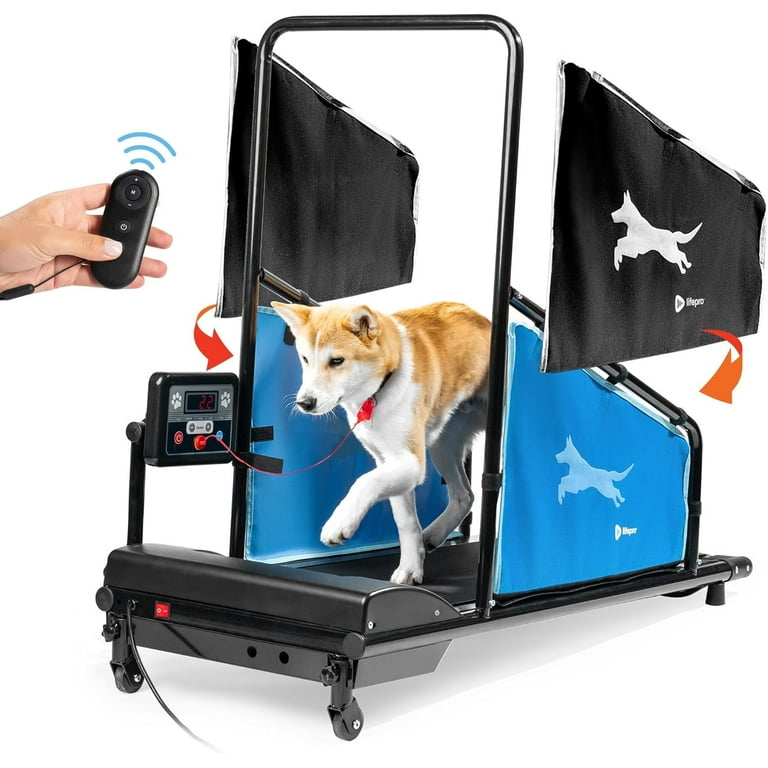
Credit: www.walmart.com
Step-by-step Training Process
Training a dog to walk on a treadmill requires patience and clear steps. The process helps your dog get comfortable and safe. Each stage builds trust and confidence with the machine. Follow these stages carefully to ensure a smooth experience for your pet.
Introducing The Treadmill Off
Start by letting your dog explore the treadmill while it is off. Allow them to sniff and walk around freely. Reward calm behavior with treats and praise. This helps your dog feel safe around the machine. Do not rush or force your dog to step on it.
Starting With Slow Speeds
Once your dog is comfortable, turn the treadmill on at the lowest speed. Stand beside your dog and encourage them to walk. Use treats or toys to motivate gentle movement. Keep the sessions short to avoid stress. Always stay close to support your dog.
Gradually Increasing Duration
Increase walking time slowly as your dog adapts. Add a few seconds or minutes each session. Watch your dog’s energy and mood carefully. Stop if your dog shows signs of tiredness or fear. Consistency helps your dog build endurance and confidence.
Monitoring Your Dog’s Comfort
Observe body language for stress or discomfort. Look for panting, whining, or pulling back. Keep sessions fun and positive to maintain interest. Adjust speed or duration based on your dog’s reactions. Always prioritize your dog’s well-being during training.
Common Challenges And Solutions
Training a dog to walk on a treadmill can be challenging. Many dogs feel unsure or uninterested at first. Some may have physical limits that slow progress. Understanding common problems helps trainers stay patient and focused. Solutions exist for most challenges. Keep sessions short and positive to build your dog’s confidence.
Fear Or Anxiety
Many dogs feel scared near the treadmill. The noise and moving belt can seem strange. Signs include trembling, whining, or refusing to approach.
- Start by turning the treadmill off. Let your dog explore it calmly.
- Use treats and praise to create good feelings.
- Gradually turn it on at low speed, while staying close and supportive.
- Keep sessions short to avoid overwhelming your dog.
Lack Of Interest
Some dogs ignore the treadmill or lose focus quickly. Boredom can make training slow.
- Use favorite toys or treats to encourage walking.
- Change the treadmill speed slightly to keep it interesting.
- Train in a quiet, distraction-free space.
- Keep sessions brief and fun to maintain attention.
Physical Limitations
Older dogs or those with health issues may struggle on a treadmill. Joint pain or weakness can limit activity.
- Consult a vet before starting treadmill training.
- Begin with very slow speeds and short periods.
- Watch for signs of discomfort or fatigue.
- Adjust training based on your dog’s needs and abilities.
Safety Tips During Treadmill Training
Training a dog to walk on a treadmill can be safe with the right precautions. Safety should always come first during treadmill training sessions. Taking the right steps helps prevent accidents and stress for your dog. Here are key safety tips to keep in mind.
Supervision And Control
Always watch your dog closely while on the treadmill. Never leave your dog unattended during training. Stay near the treadmill to guide and stop it if needed. Use a leash or harness for better control. This prevents sudden jumps or falls. Your presence keeps your dog calm and focused.
Proper Equipment Setup
Check the treadmill before each use. Ensure the belt is clean and moves smoothly. Set the speed low at first to match your dog’s pace. Use a treadmill designed for pets or one with safety features. Place the treadmill in a quiet, well-lit area. Remove any objects that could cause trips or distractions.
Recognizing Signs Of Fatigue
Watch your dog’s behavior for tiredness or discomfort. Signs include heavy panting, slowing down, or stumbling. Stop the session if your dog looks stressed or tired. Give your dog water and rest breaks. Gradually increase treadmill time as your dog builds stamina. Avoid pushing your dog beyond its limits.
Maintaining Consistency
Maintaining consistency is key when training a dog to walk on a treadmill. Consistent practice helps your dog feel confident and understand what is expected. It builds a habit and makes the training process smoother. Without consistency, your dog may get confused or lose interest.
Establishing A Routine
Set specific times each day for treadmill sessions. A regular schedule helps your dog expect and prepare for training. Keep sessions short and positive, especially at the start. Consistent timing creates a sense of stability and encourages daily practice.
Tracking Progress
Record your dog’s behavior and improvement after each session. Note how long your dog walks and any signs of stress or excitement. Tracking progress shows which methods work best. It also helps you adjust the training to fit your dog’s pace.
Incorporating Rewards
Use treats or praise to reward your dog after treadmill walks. Rewards motivate your dog to keep trying and enjoy training. Give rewards immediately to connect good behavior with positive outcomes. Consistent rewards strengthen your dog’s willingness to walk on the treadmill.
Frequently Asked Questions
How Do I Start Training My Dog On A Treadmill?
Begin with leash training and familiarize your dog with the treadmill off. Use treats and encouragement to build comfort. Start slow, allowing short sessions at low speeds, gradually increasing time and speed as your dog adapts.
What Safety Precautions Are Needed For Treadmill Dog Training?
Always supervise your dog closely during treadmill use. Use a harness instead of a collar to prevent neck strain. Ensure the treadmill surface is non-slip. Stop immediately if your dog shows signs of distress or fatigue.
How Long Should A Dog Walk On A Treadmill Daily?
Start with 5 to 10 minutes per session. Gradually increase duration based on your dog’s fitness and comfort. Most dogs benefit from 15 to 30 minutes daily, split into multiple sessions if needed.
Can All Dog Breeds Use A Treadmill Safely?
Most breeds can use a treadmill safely with proper training. Small or elderly dogs may need special care. Consult your vet before starting treadmill exercise, especially if your dog has health issues.
Conclusion
Training your dog to walk on a treadmill takes time and patience. Start slow and keep sessions short. Always praise your dog for good behavior. Use treats to encourage walking on the treadmill. Watch your dog’s comfort and safety at all times.
Regular practice helps your dog get used to the treadmill. This method keeps your dog active indoors, especially on bad weather days. With gentle steps, your dog will enjoy treadmill walks soon. Keep training fun and positive to build trust.
Your dog’s health and happiness will improve with treadmill exercise.