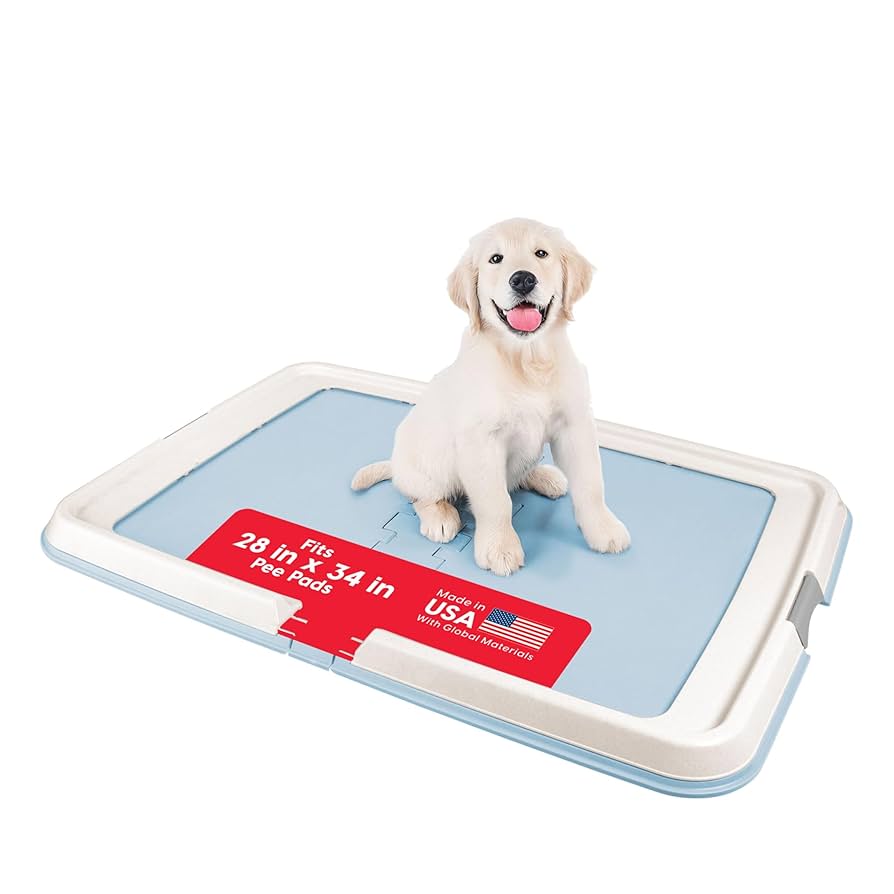

Training your dog to poop on a pad can save you a lot of stress and mess. If you’ve struggled with accidents around the house or want a clean, simple way to manage your pup’s bathroom needs, this guide is for you.
You’ll learn easy steps that make the process smooth for both you and your dog. Imagine never having to worry about unexpected surprises on your floor again. Keep reading, and you’ll discover how to turn your dog into a pad pro in no time.
Credit: pomeranian.org
Choosing The Right Pad
Choosing the right pad is essential for successful dog potty training. The right pad helps your dog understand where to go. It also keeps your home clean and odor-free.
Different pads have different features. Picking the correct one makes training easier and more effective.
Types Of Training Pads
- Regular Pads:Basic, absorbent pads that soak up urine quickly.
- Odor-Control Pads:Pads with special layers to reduce smells.
- Leak-Proof Pads:Have an extra barrier to prevent leaks on the floor.
- Eco-Friendly Pads:Made from biodegradable materials that are better for the environment.
- Disposable vs. Washable:Disposable pads are easy to throw away. Washable pads can be reused and save money.
Size And Placement Tips
- Choose a pad size that fits your dog’s breed and size.
- Small dogs need smaller pads; large dogs need bigger ones.
- Place the pad in a quiet, low-traffic area your dog can easily reach.
- Keep the pad in the same spot to build a routine.
- Make sure the area is clean and free from distractions.

Credit: aminpetshop.com
Setting Up A Designated Area
Setting up a designated area for your dog to poop on a pad helps build good habits. This space should feel safe and inviting. A clear spot makes it easier for your dog to understand where to go. Keep the area consistent and easy to reach. Regular use helps your dog learn faster.
Creating A Comfortable Space
Choose a quiet corner in your home for the pad. Avoid noisy or busy spots that may scare your dog. Place the pad on a flat surface to prevent slipping. Keep the area clean and dry at all times. Add a soft mat nearby to make it cozy. The goal is comfort and calmness to encourage use.
Minimizing Distractions
Remove toys, food bowls, and other distractions from the area. Avoid placing the pad near loud appliances or heavy foot traffic. Limit access to other parts of the house during training times. Use barriers or gates if needed to keep your dog focused. A distraction-free zone helps your dog concentrate on the task.
Establishing A Routine
Establishing a routine is essential for training your dog to use a pad. Consistency helps your pet understand when and where to go. It reduces confusion and accidents. A structured routine builds trust between you and your furry friend. Here’s how you can create an effective routine.
Timing Bathroom Breaks
Regular bathroom breaks teach your dog discipline. Take your dog to the pad after meals. This is when they often need to go. Keep a schedule for these breaks. It helps your dog anticipate and prepare. Consistency is key here.
Observe your dog’s natural schedule. Note any signs they might need to go. This could be sniffing or circling. Respond quickly and guide them to the pad.
Using Consistent Commands
Use the same command every time you want your dog to use the pad. Words like “go potty” work well. Repeat the command as they approach the pad. Praise them when they follow your instruction. Consistent commands help your dog understand your expectations.
Be patient and use a firm but gentle voice. Over time, your dog will associate the command with the action. This builds a strong habit for successful training.

Credit: aminpetshop.com
Encouraging Your Dog
Encouraging your dog to use a potty pad takes patience and clear communication. You need to create a positive experience that makes your dog want to use the pad without hesitation. Understanding how your dog reacts and guiding them gently can make all the difference in training success.
Positive Reinforcement Techniques
Reward your dog immediately after they use the pad. This could be with treats, praise, or a favorite toy. Quick rewards help your dog connect the action with something positive.
Use a consistent phrase like “Good job!” or “Potty time!” so your dog learns to associate words with the action. Over time, your dog will respond to these cues even without treats.
If your dog seems hesitant, try sitting beside the pad and encouraging them gently. Sometimes, your calm presence gives them the confidence to go.
Recognizing Signs Of Readiness
Watch your dog for signs that they need to go, such as sniffing around, circling, or suddenly becoming restless. These behaviors show they’re ready to potty.
Once you notice these signs, guide your dog to the pad immediately. Delaying this can confuse your pet and slow the training process.
Do you notice patterns in your dog’s behavior before they need to go? Tracking these can help you anticipate their needs and reinforce pad use effectively.
Dealing With Accidents
Accidents happen, even with the best training efforts. Your dog is learning a new routine, and sometimes they might miss the pad. How you handle these moments can either reinforce good habits or create confusion.
Cleaning Methods To Remove Odors
Cleaning up quickly and thoroughly is key. Use an enzymatic cleaner designed for pet messes. These cleaners break down the smell-causing molecules that attract your dog back to the same spot.
Avoid ammonia-based products since their scent can mimic urine and confuse your dog. Instead, try these tips:
- Blot the area with paper towels before cleaning to absorb as much moisture as possible.
- Spray the enzymatic cleaner generously and let it sit for at least 10 minutes.
- Rinse with warm water and dry the spot completely.
Have you noticed how some stains seem to keep drawing your dog back? This simple cleaning step can stop that cycle.
Staying Patient And Consistent
Training takes time, and accidents can test your patience. Stay calm and avoid punishing your dog—it only creates fear and confusion. Instead, gently guide them back to the pad after an accident.
Consistency is your strongest ally. Keep a regular schedule for bathroom breaks and always reward your dog when they use the pad correctly. This clear routine helps your dog understand what you expect.
Think about your own learning experiences. Did you get better with practice and clear feedback? Your dog learns the same way, so your steady approach makes all the difference.
Gradually Reducing Pad Use
Gradually reducing pad use is a key part of teaching your dog to move from indoor potty pads to more natural outdoor bathroom habits. This process requires patience and clear signals so your dog doesn’t get confused. The goal is to slowly wean your dog off the pads while encouraging outdoor potty breaks.
Transitioning To Outdoor Potty
Start by moving the pad closer to the door your dog will use to go outside. This helps your dog associate the door with potty time. After a few days, place the pad just outside the door to encourage your dog to step outside.
Spend extra time outside during potty breaks. Use a consistent command like “go potty” to create a clear connection. If your dog goes outside, give plenty of praise and a treat immediately.
Have you noticed how your dog reacts when you change the pad’s location? Their hesitation or excitement can tell you if they’re ready for the next step.
Monitoring Progress
Keep a simple log of your dog’s potty habits to track success and setbacks. Note where and when your dog goes, and if accidents happen inside. This helps you spot patterns and adjust your approach.
Watch your dog’s body language closely. Signs of needing to go, like sniffing or circling, become easier to recognize with practice. Respond quickly by guiding them outside to the right spot.
If your dog struggles with the transition, don’t rush. Sometimes, stepping back a bit and increasing pad use temporarily can prevent frustration for both of you.
Frequently Asked Questions
How Long Does Training A Dog To Poop On Pad Take?
Training duration varies but usually takes 1 to 3 weeks. Consistency and patience speed up the process. Daily routine and positive reinforcement help your dog learn effectively.
What Supplies Are Needed To Train Dog On A Poop Pad?
You need a quality puppy pad, treats, and cleaning supplies. Place the pad in a consistent spot. Use treats to reward your dog for success.
How To Encourage Dog To Use The Poop Pad?
Use commands like “go potty” near the pad. Praise and reward immediately after your dog uses it. Keep the pad clean and accessible at all times.
Can Adult Dogs Be Trained To Use Poop Pads?
Yes, adult dogs can learn with patience and consistent training. Use positive reinforcement and keep a regular schedule. Avoid punishment to encourage trust and success.
Conclusion
Training your dog to use a potty pad takes time and patience. Keep the pad clean and in the same spot. Praise your dog each time it uses the pad correctly. Watch your dog’s signs and guide it gently. Consistency helps your dog learn faster.
Small steps lead to good habits. Soon, your dog will feel comfortable using the pad. Enjoy the process and stay positive. Your effort will make life easier for both of you. Patience and care always pay off in the end.