
If you want your German Shepherd to be strong, smart, and disciplined like a military dog, you’re in the right place. Training your dog this way isn’t just about commands—it’s about building trust, focus, and teamwork between you and your dog.
Imagine having a dog that listens instantly, stays calm under pressure, and reacts with confidence. In this guide, you’ll discover simple steps to train your German Shepherd with techniques used by the military. Ready to unlock your dog’s full potential?
Let’s get started.
Choosing The Right German Shepherd
Choosing the right German Shepherd is the foundation of training a military-level dog. Not every German Shepherd has the qualities needed for the rigorous demands of military training. Selecting a dog with the right traits and health is crucial to ensure your training efforts lead to success.
Traits Of Military-grade Dogs
Military-grade German Shepherds show intelligence, focus, and high energy. These dogs must be alert and responsive to commands under pressure.
Look for a dog that is confident but not aggressive without cause. They should show curiosity and the ability to learn quickly.
- Strong drive:The dog should have a natural motivation to work and please you.
- Good stamina:Military training demands endurance, so the dog needs to be physically fit.
- Calm under stress:The ability to stay composed in chaotic environments is key.
Assessing Temperament And Health
Temperament and health checks go hand in hand when choosing your German Shepherd. A dog with poor health or unstable temperament will struggle during training.
Ask the breeder or shelter about the dog’s behavior around people and other animals. Watch how the dog reacts to new situations before making your choice.
| Aspect | What to Look For | Why It Matters |
|---|---|---|
| Temperament | Stable, confident, and social | Ensures reliable behavior in training and real-life tasks |
| Health | Clear of genetic diseases, good joint condition | Prevents training setbacks and long-term issues |
| Age | Typically 8 weeks to 6 months for training start | Young enough to adapt, old enough for some basic development |
Do you know how much a dog’s early environment affects its behavior? Choosing a well-socialized pup can save you months of extra work.
Basic Obedience Training
Basic obedience training forms the foundation of military-style discipline for your German Shepherd. It teaches your dog to listen and respond reliably. This training focuses on clear commands and consistent practice. Your dog learns respect and control. The process enhances safety and strengthens your relationship.
Essential Commands To Master
Start with simple commands that every military dog knows. These include:
- Sit:Helps calm your dog and gain attention.
- Stay:Teaches patience and control in any situation.
- Come:Ensures your dog returns quickly when called.
- Heel:Keeps your dog walking close by your side.
- Down:Encourages a calm, submissive posture on command.
Practice these commands daily in short sessions. Use firm, clear words and positive reinforcement. Consistency is key to success.
Building A Strong Bond
A strong bond improves obedience and trust. Spend time together beyond training. Play, walk, and talk with your dog. Show patience and kindness. Your dog will respond better to commands when it feels secure and loved. Trust builds faster with positive experiences. This bond is the base for advanced training and discipline.
Advanced Military Training Skills
Advanced military training skills shape your German Shepherd into a disciplined, reliable partner. These skills push your dog’s limits and build strong physical and mental abilities. Training like a military dog requires focus, patience, and consistency.
Each skill set targets a specific ability vital for real-life tasks. The goal is to build a dog that moves quickly, thinks sharply, and reacts correctly under pressure. Below are essential advanced training areas.
Agility And Endurance Drills
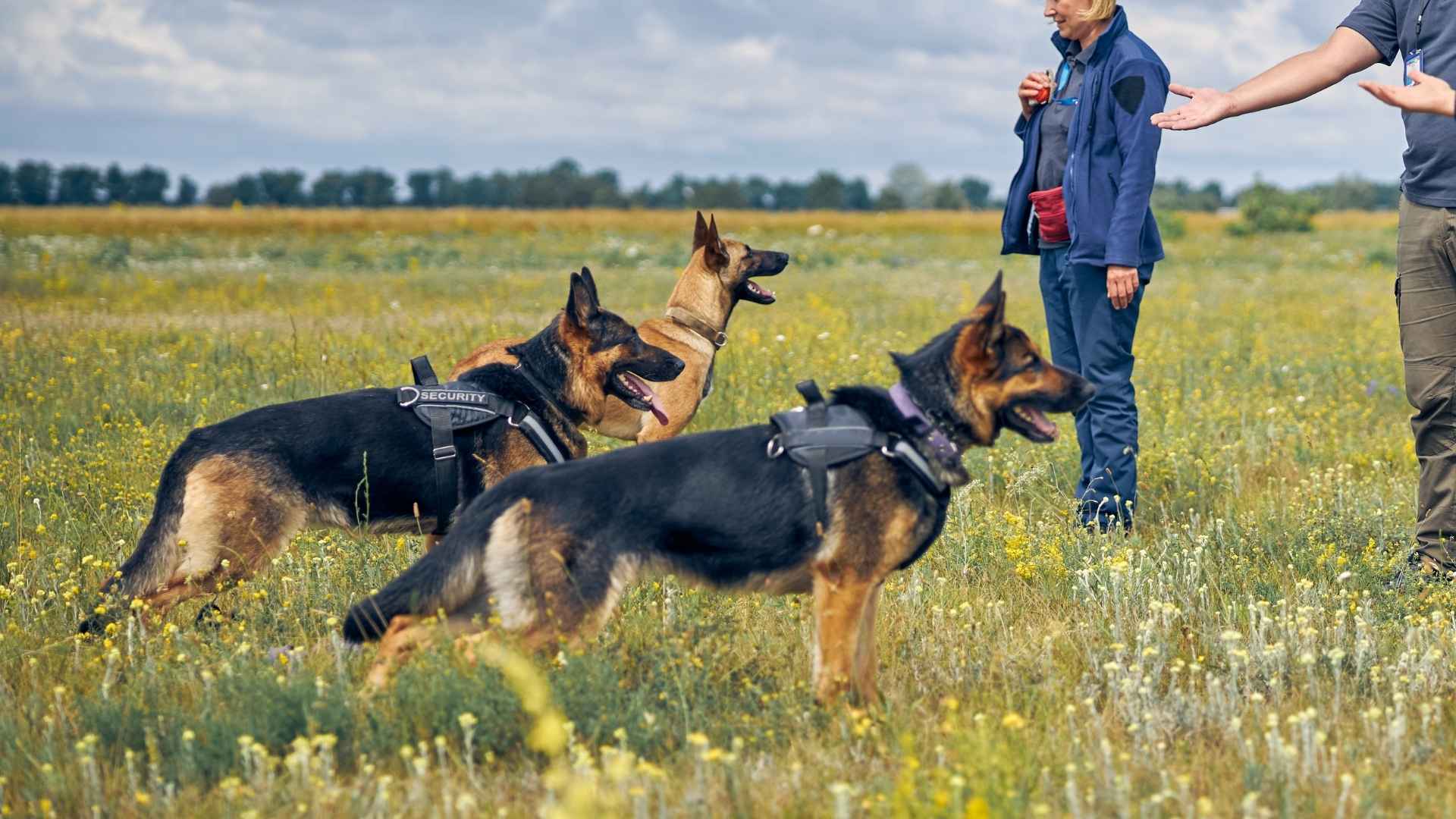
Agility drills improve your dog’s speed and coordination. Use obstacle courses with jumps, tunnels, and balance beams. Start with simple tasks, then increase difficulty gradually. Endurance training builds stamina for long missions. Daily running, hiking, or swimming sessions strengthen muscles and lungs. These drills help your dog stay active and alert.
Scent Detection Techniques
Scent detection trains your dog to find hidden objects or people by smell. Begin with familiar scents like toys or treats. Hide them in different places and reward your dog when found. Gradually use more complex scents such as clothing or specific chemicals. This skill sharpens your dog’s focus and problem-solving abilities.
Protection And Guard Training
Protection training teaches your dog to guard and defend on command. Use controlled environments to practice bite and release commands. Teach your dog to recognize threats without attacking randomly. Socialize your dog to stay calm around people but act quickly if danger appears. This training builds confidence and control.
Using Positive Reinforcement
Positive reinforcement encourages good behavior by rewarding your German Shepherd with treats or praise. This approach builds trust and motivates your dog to follow commands like a military dog. Consistent rewards help your dog learn faster and enjoy training sessions.
Training your German Shepherd like a military dog requires discipline, consistency, and the right techniques. One of the most effective methods is using positive reinforcement. Unlike traditional training methods that might use fear or punishment, positive reinforcement focuses on rewarding your dog for good behavior, making training sessions more enjoyable and effective. Imagine transforming your training sessions into a fun bonding experience where your dog eagerly anticipates learning new skills.Reward Systems That Motivate
Creating a reward system that motivates your German Shepherd is crucial. Some dogs respond best to treats, while others might be more driven by toys or praise. Start by identifying what your dog loves most. Consider using a mix of rewards to keep your dog engaged. For example, small, tasty treats can work wonders for basic commands like “sit” or “stay.” For more complex tasks, a favorite toy could be the perfect incentive. Tailor your reward system to suit your dog’s unique preferences and watch their enthusiasm skyrocket.Avoiding Common Training Mistakes
Avoiding common training mistakes can save you and your dog from frustration. One frequent error is inconsistency. If you reward a behavior one day and ignore it the next, your dog may become confused. Consistency is key to reinforcing desired behaviors. Another mistake is expecting too much too soon. Training takes time, and rushing the process can lead to setbacks. Break down complex commands into smaller, manageable steps. This approach not only makes it easier for your dog to understand but also builds their confidence as they master each step. Have you ever considered the impact of your tone of voice during training? Using a calm, encouraging tone can make a significant difference in your dog’s response. Try it during your next training session and observe the positive changes in your dog’s behavior.Establishing A Training Routine
Establishing a training routine is the backbone of shaping your German Shepherd into a disciplined, reliable companion, much like a military dog. A clear and steady schedule builds trust and understanding between you and your dog. It also sets the stage for consistent progress and lasting results.
Consistency And Patience
Consistency is key. Train your German Shepherd at the same times each day to create a predictable environment. This predictability helps your dog focus and reduces anxiety.
Patience goes hand in hand with consistency. Dogs don’t learn overnight. You might face setbacks, but staying calm and persistent will encourage your dog to keep trying.
Think about how you react when learning something new. Would you give up after a couple of mistakes? Your dog needs the same encouragement. How can you adjust your approach if progress stalls?
Balancing Training With Rest
Training like a military dog doesn’t mean constant drills. Your German Shepherd needs time to rest and process what they’ve learned. Overworking your dog can lead to frustration and burnout.
Break training sessions into short, focused intervals. For example, 15-20 minutes of training followed by a rest or play period keeps your dog engaged and eager to learn more.
Observe your dog’s energy levels closely. If they seem tired or distracted, it’s time for a break. Remember, even the toughest military dogs get downtime to recharge.

Credit: www.youtube.com
Socialization And Environmental Exposure
Socialization and environmental exposure build a strong foundation for your German Shepherd’s training. Military dogs face many different places and situations. Your dog needs to feel calm and confident in new environments. Early and regular exposure helps your dog learn how to behave calmly. It also reduces fear and aggression. Socialization teaches your dog to trust people and other animals. It creates a well-rounded and obedient companion.
Introducing New Surroundings
Take your German Shepherd to various places. Parks, streets, pet stores, and busy areas work well. Let your dog see and smell new things. Allow brief, positive interactions with people and animals. Use treats and praise to reward calm behavior. Do not force your dog into uncomfortable situations. Gradually increase the complexity of the environment. Change locations often to keep your dog alert and adaptable.
Handling Stressful Situations
Military dogs remain calm under pressure. Teach your dog to handle noise, crowds, and sudden movements. Practice with loud sounds like traffic or construction. Use controlled exposure to strangers and unfamiliar objects. Stay close and offer comfort if your dog gets scared. Use commands your dog knows to regain focus. Reward calm and obedient responses immediately. Repeat these exercises regularly to build confidence and trust.
Health And Nutrition For Performance
Maintaining top physical condition is crucial if you want your German Shepherd to perform like a military dog. Their training demands high energy, endurance, and quick recovery, all of which depend heavily on health and nutrition. Understanding what fuels your dog’s body can make a significant difference in their training results and overall well-being.
Diet Plans For Active Dogs
Active German Shepherds need a diet rich in high-quality proteins to build and repair muscles. Look for foods containing real meat like chicken, beef, or fish as the main ingredient. Healthy fats, such as omega-3 and omega-6 fatty acids, support joint health and brain function.
Consider adding complex carbohydrates like brown rice or sweet potatoes for sustained energy throughout training sessions. Avoid fillers like corn and soy, which offer little nutritional value and may cause allergies. You might want to split their meals into smaller portions during intense training days to maintain steady energy levels.
Have you checked if your dog’s food meets the specific needs of their activity level? Sometimes, simply adjusting portion sizes or switching to a specialized formula can boost their performance.
Regular Vet Checkups
Routine vet visits are essential to catch any underlying health issues before they affect your dog’s training. Your vet can monitor weight, muscle condition, and joint health, all critical for an active German Shepherd. Vaccinations and parasite control keep your dog protected and prevent disruptions in training.
Blood tests can help identify nutritional deficiencies or organ problems early on. If your dog shows signs of fatigue or discomfort, don’t hesitate to consult your vet—delaying could worsen the issue. Remember, a healthy dog is a capable dog, ready to meet the demands of military-style training.
Credit: worldanimalfoundation.org
Safety And Legal Considerations
Training your German Shepherd like a military dog requires careful attention to safety and legal rules. These rules protect you, your dog, and the people around you. Ignoring them can cause serious problems. Always keep these points in mind during training.
Understanding Local Laws
Every place has different laws about dog training and behavior. Some areas limit the types of training you can do. Others have rules about dog equipment like muzzles or leashes. Find out what the law says in your city or state.
Check for these common rules:
- Licensing and registration requirements
- Restrictions on dog breeds or training methods
- Leash laws and public access rules
- Rules on using bite or attack training
Following these laws keeps you safe from fines and legal troubles. It also shows respect for your community.
Ensuring Public Safety
Your dog must not harm or scare people during training or walks. Use safe tools like strong leashes and secure harnesses. Always control your dog around strangers and children.
Teach your dog commands to stop or calm down quickly. Practice these commands often. This helps prevent accidents in busy places.
Keep training sessions short and in safe areas. Avoid crowded or noisy spots until your dog is very well trained. Safety comes first for everyone.

Credit: germanshepherdshop.com
Frequently Asked Questions
How Long Does Training A German Shepherd Take?
Training a German Shepherd like a military dog typically takes 6 to 12 months. Consistency, patience, and daily practice are essential. Early socialization and basic obedience training should start immediately. Advanced skills require structured routines and professional guidance for best results.
What Commands Are Essential For Military Dog Training?
Basic commands like sit, stay, come, heel, and down are essential. Military training also includes scent detection, attack, and obedience under distraction. Consistent reinforcement and positive rewards help your German Shepherd learn these commands effectively.
Can I Train My German Shepherd For Protection At Home?
Yes, you can train your German Shepherd for home protection. Focus on obedience, alertness, and controlled aggression. Use professional trainers to ensure safe and effective protection skills without encouraging unwanted aggression.
What Equipment Is Needed For Military-style Training?
Basic equipment includes a sturdy leash, collar, bite sleeve, and harness. Training treats and clickers help reinforce commands. Specialized gear like agility obstacles and scent kits may be used for advanced military training exercises.
Conclusion
Training your German Shepherd like a military dog takes time and patience. Start with basic commands and build up slowly. Use clear, consistent signals every day. Reward good behavior to keep your dog motivated. Practice often in different places to strengthen skills.
Stay calm and confident during training sessions. Remember, your dog learns best with love and respect. Keep training fun and safe for both of you. With effort, your dog will become disciplined and strong. Enjoy the bond that grows through training.