
Are you wondering if it’s time to switch your furry friend to adult dog food? Choosing the right food can make a huge difference in your dog’s health and happiness.
But how do you know when to make the change? And is adult dog food really better for your pet? Keep reading to discover what you need to know to give your dog the best nutrition at every stage of life.
This simple shift could improve your dog’s energy, coat, and overall well-being. Let’s dive in and find out if changing to an adult dog food layer is the right move for you and your companion.
When To Switch To Adult Dog Food
Switching your dog to adult food is an important step in their growth. The right timing supports their health and energy needs. Dogs grow at different rates based on size and breed. Knowing when to change their diet keeps them strong and happy.
Age Milestones For Transition
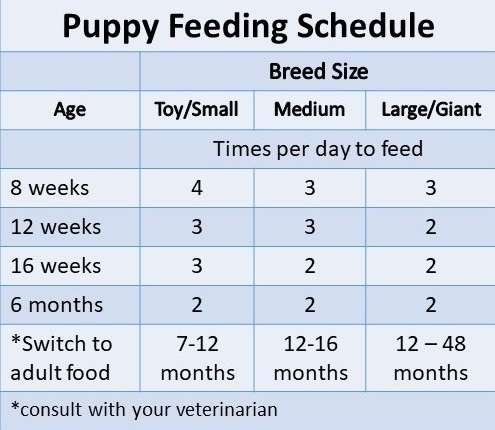
Most dogs switch to adult food between 9 and 12 months old. Small breeds may change earlier, around 9 months. Large breeds often need puppy food longer, up to 18 months. This helps them grow at a healthy pace. Follow your vet’s advice for exact timing.
Signs Your Dog Is Ready
- Your dog’s growth slows down.
- They have stable energy levels.
- Their weight is steady and healthy.
- The puppy food no longer satisfies their hunger.
- They show less interest in high-calorie meals.
These signs show your dog may need adult food. Watch your dog’s behavior and body closely.
Breed And Size Considerations
Small breeds mature faster and need adult food sooner. Large breeds grow slower and need special formulas. Giant breeds require food that supports joint health. Choose adult food designed for your dog’s breed size. This ensures balanced nutrition for their needs.

Credit: us.eukanuba.com
Nutritional Differences Between Puppy And Adult Food
Understanding the nutritional differences between puppy and adult dog food is key to deciding when to switch your furry friend’s diet. Puppies have specific needs to support their rapid growth, while adult dogs require a balance that maintains their health without excess calories. Let’s break down what changes in nutrition mean for your dog’s wellbeing and how it impacts their daily diet.
Calorie And Protein Requirements
Puppies need more calories than adult dogs because they burn energy quickly and are constantly growing. Their food is higher in fat and protein to fuel this development. Adult dogs, on the other hand, require fewer calories to avoid weight gain since their activity levels and growth slow down.
If you keep feeding adult dogs puppy food, they might gain unwanted weight. Conversely, switching to adult food too early might leave puppies undernourished. Have you noticed your puppy’s energy levels or weight changing as they grow? That’s a good signal to reassess their calorie and protein intake.
Vitamin And Mineral Adjustments
Puppy food typically contains increased amounts of vitamins and minerals like calcium and phosphorus to support strong bones and teeth. Adult dog food adjusts these levels to prevent issues like bone deformities or kidney strain that can occur if puppies consume adult-level minerals too early.
Many dog owners overlook these subtle but critical changes. Feeding the right balance helps maintain your dog’s health and prevents long-term problems. Are you checking the labels for these nutrients when buying food for your dog?
Impact On Growth And Development
The right nutrition directly affects your dog’s growth speed and overall development. Puppy food encourages muscle growth, brain development, and a strong immune system. Adult dog food focuses more on maintaining healthy body weight and supporting joint health as dogs age.
I once delayed switching my dog’s food and noticed he had digestive issues and low energy. Adjusting his diet improved his coat and vitality almost immediately. Paying attention to these nutritional shifts can make a big difference in your dog’s life.
Benefits Of Switching To Adult Dog Food
Switching to adult dog food supports your pet’s changing nutritional needs as they grow. It helps maintain a healthy weight and provides balanced energy for daily activities. This change can improve digestion and keep their coat shiny and healthy.
Switching your dog to adult dog food is a significant step that can greatly enhance their overall well-being. As your dog grows, their nutritional needs change, and providing the right food ensures they remain healthy and active. Let’s explore some of the key benefits of making this switch.Supporting Healthy Weight
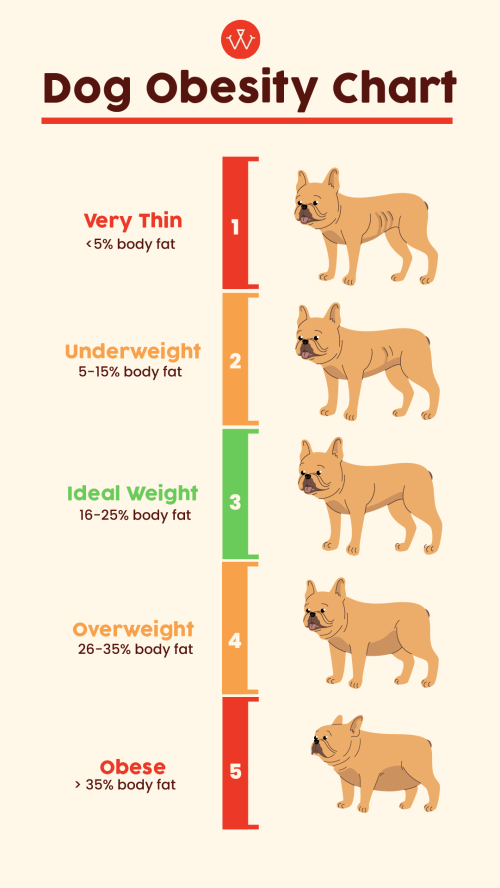
Ensuring your dog maintains a healthy weight is crucial for their long-term health. Adult dog food is specifically formulated to balance calories and nutrients, reducing the risk of obesity. This careful balance helps keep your dog energetic without the extra pounds. Feeding your dog adult food prevents the overconsumption of calories that often come with puppy food. Have you noticed your dog’s energy levels dropping? Adjusting their diet to adult food could be the solution.Maintaining Dental Health
Your dog’s dental health is as important as their physical health. Adult dog food is often designed to help reduce tartar and plaque buildup. Crunchy kibbles can act like a natural toothbrush, scraping off residues. Have you ever noticed your dog’s breath getting a little too noticeable? Switching to adult food can help manage bad breath and improve oral hygiene.Promoting Digestive Wellness
Digestive health plays a key role in your dog’s happiness and comfort. Adult dog food often contains fiber and prebiotics that support a healthy digestive system. This can help reduce digestive issues like constipation or diarrhea. If you’ve found yourself cleaning up after your dog more often than you’d like, it might be time to consider a switch. Adult dog food can help promote regularity and ease any discomfort your furry friend might be experiencing. Switching to adult dog food is more than just a dietary change; it’s a step towards ensuring a healthier, happier life for your dog. Are you ready to make the switch and see the benefits for yourself?Potential Risks Of Premature Or Delayed Switching
Switching your dog to adult food at the right time is crucial for their health. Changing too early or too late can lead to problems that affect their growth and well-being. Understanding these risks helps you make the best choice for your furry friend’s diet.
Nutritional Deficiencies
Puppy food is rich in nutrients to support rapid growth, while adult food is balanced for maintenance. Switching too early may cause your dog to miss essential vitamins and minerals, slowing their development.
On the other hand, delaying the switch means your dog could get excessive nutrients, which might stress their organs. Have you noticed changes in your dog’s energy or coat? These signs might hint at nutrient imbalances from an improper diet.
Obesity And Overfeeding
Adult dog food typically has fewer calories than puppy food. Keeping your dog on puppy food for too long can lead to weight gain because they are getting more calories than needed.
Overweight dogs face risks like joint problems and heart disease. Are you monitoring your dog’s weight regularly? Adjusting food type and portions at the right time can prevent these issues.
Digestive Issues
A sudden or poorly timed switch can upset your dog’s digestive system. Their stomach may react with diarrhea, vomiting, or constipation.
Gradually introducing adult food helps their gut adjust smoothly. Have you tried mixing small amounts of adult food with puppy food before a complete switch? This simple step often avoids uncomfortable digestive problems.
Expert Tips For A Smooth Transition
Switching your dog to adult food is more than just changing what’s in their bowl. A smooth transition helps avoid tummy troubles and keeps your dog happy and healthy. The right approach can make this change easy for both you and your furry friend.
Gradual Food Mixing Techniques
Start by mixing a small amount of adult dog food into your dog’s current meal. Gradually increase the new food while decreasing the old over 7 to 10 days. This slow change helps your dog’s digestive system adjust without discomfort.
Watch for any signs of upset like diarrhea or vomiting, and slow down the transition if needed. Mixing food also lets your dog get used to the new taste and texture, making mealtime more enjoyable.
Monitoring Your Dog’s Response
Pay close attention to how your dog reacts during the switch. Check their energy levels, coat condition, and bathroom habits daily. A sudden drop in energy or loose stools could mean the change is too fast or the new food isn’t agreeing with them.
Keep a simple journal of their behavior and health signs. This record can help you spot patterns and decide if you need to adjust the transition or the food type.
Consulting Your Veterinarian
Your vet is a valuable resource during this change. They can recommend the best adult food based on your dog’s breed, size, and health needs. Asking your vet also ensures you’re not missing any special dietary requirements.
If your dog has health issues or special needs, professional advice is crucial. Don’t hesitate to reach out for guidance on how to switch foods safely and effectively.
Credit: www.vetsupply.com.au
Special Considerations For Different Dog Types
Choosing the right adult dog food isn’t a one-size-fits-all situation. Different dogs have unique needs based on their breed, activity level, and health status. Paying attention to these differences can help you make smarter food choices that keep your dog healthy and happy.
Large Vs. Small Breeds
Large breed dogs often require food formulated to support joint health and control growth rate. Their adult dog food usually contains glucosamine and controlled calcium levels to prevent bone problems.
Small breeds, on the other hand, have faster metabolisms and burn energy quicker. Their food tends to be calorie-dense with smaller kibble sizes for easier chewing. Have you noticed your small dog finishing meals faster or needing more frequent feeding?
Active Vs. Less Active Dogs
Active dogs need more calories and protein to fuel their energy levels. Foods higher in fats and proteins help maintain muscle mass and stamina.
Less active or sedentary dogs require fewer calories to avoid weight gain. Choosing adult dog food with controlled fat content can help maintain a healthy weight without sacrificing nutrients.
Health Conditions And Food Choices
Some health issues directly influence the best type of adult dog food. For example, dogs with kidney problems may benefit from lower protein diets, while those with allergies might need grain-free or limited ingredient formulas.
Have you ever adjusted your dog’s diet based on a vet’s recommendation? Tailoring food to health conditions can significantly improve your dog’s quality of life and longevity.
Credit: wefeedraw.com
Frequently Asked Questions
When Should I Switch To Adult Dog Food?
Switch to adult dog food when your dog reaches about one year old. Puppies need more nutrients, but adults require balanced maintenance formulas. Transition gradually over 7-10 days to avoid digestive upset and ensure your dog adapts comfortably to the new diet.
What Benefits Does Adult Dog Food Provide?
Adult dog food supports healthy weight, energy, and digestion for mature dogs. It contains the right protein and nutrient levels to maintain muscle and overall health. Feeding adult formulas helps prevent obesity and supports long-term wellness in your dog’s life stage.
Can I Feed Puppy Food To Adult Dogs?
Feeding puppy food to adult dogs is not ideal. Puppy food has higher calories and nutrients meant for growth, which can cause weight gain in adults. Adult dogs need balanced nutrition to maintain health, so switch to adult dog food once growth is complete.
How To Transition To Adult Dog Food Safely?
Transition gradually by mixing increasing amounts of adult food with puppy food over 7-10 days. This prevents digestive issues and helps your dog adjust to new ingredients and nutrient levels. Monitor your dog’s response and adjust the transition pace if needed.
Conclusion
Switching to adult dog food suits your dog’s changing needs. Adult formulas support steady energy and health. Nutrients adjust to keep your pet strong and active. Watch for signs of growth slowing down. This change helps maintain a healthy weight.
Always introduce new food slowly to avoid upset stomach. Consult your vet to choose the best option. Your dog will thank you with a happy, healthy life. Small changes make a big difference.