
Planning to travel to Canada with your dog from the US? You might feel excited but also a bit overwhelmed.
There are important steps you need to take to make sure your furry friend can join you without any hassle. From paperwork to health checks, every detail matters. Keep reading, and you’ll discover simple tips and clear guidelines to make your trip smooth and stress-free—for both you and your dog.
Your adventure together starts here!
Credit: wildone.com
Pet Entry Requirements
Traveling to Canada with your dog requires careful attention to the pet entry requirements set by Canadian authorities. Ensuring you have all the right documents and meet health standards can save you from last-minute stress at the border. Let’s break down what you need to prepare before your journey.
Required Documents
First, you must have proof of ownership for your dog. This can be a purchase receipt or adoption papers. Canadian officials also require a valid government-issued ID, like your passport or driver’s license.
Additionally, your dog should have an up-to-date rabies vaccination certificate. If your pet is under three months old, rabies vaccination may not be mandatory, but you still need other proof of health.
Vaccination Rules
Canada mandates that dogs entering from the US have a current rabies vaccination. The vaccine must be administered at least 30 days before crossing the border but not more than 12 months ago for most vaccines.
Other vaccinations, like distemper or parvovirus, are recommended but not strictly required. However, keeping your dog’s vaccinations current prevents illness during travel and after arrival.
Have you checked your dog’s vaccination dates recently? This simple step ensures smooth entry without delays.
Health Certificates
A health certificate signed by a licensed veterinarian is crucial. It confirms your dog is free from contagious diseases and fit for travel. The certificate usually needs to be issued within 10 days before entering Canada.
Some pet owners I know have experienced delays because their health certificates were older than allowed. Double-checking this detail can prevent unexpected quarantine or denied entry.
Remember to carry multiple copies of all documents and certificates. You never know when border officers might ask for additional proof.

Credit: www.youtube.com
Preparing Your Dog For Travel
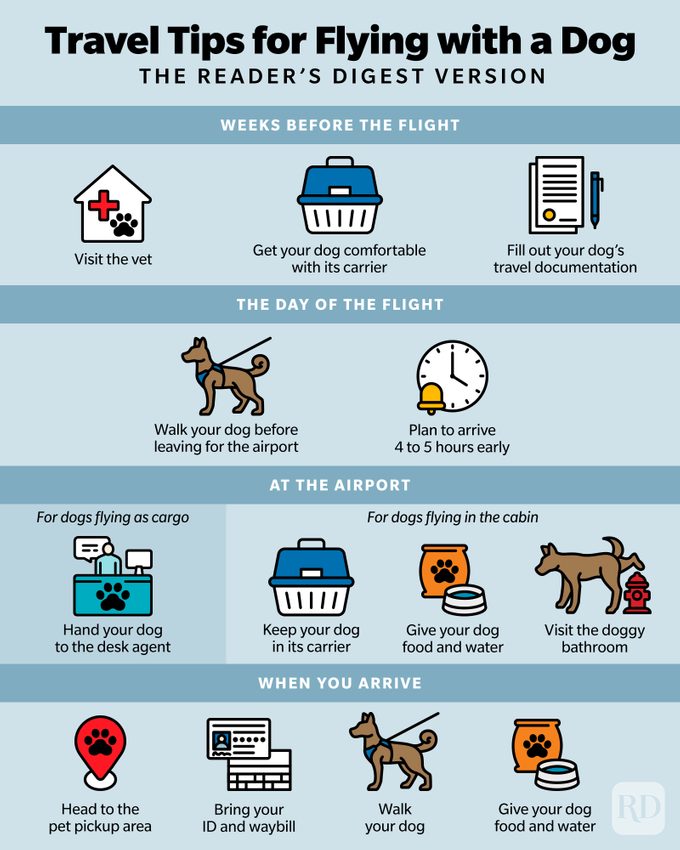
Traveling to Canada with your dog requires proper preparation. Ensure your pet has all vaccinations and a health certificate. Familiarize your dog with the travel carrier to reduce stress during the trip.
Preparing your dog for travel to Canada from the US requires some thoughtful planning and preparation. Ensuring your furry friend is comfortable and ready for the journey can make a world of difference. Whether it’s their first time or they’re seasoned travelers, these tips will help ease the transition and ensure a smooth trip.Choosing The Right Carrier
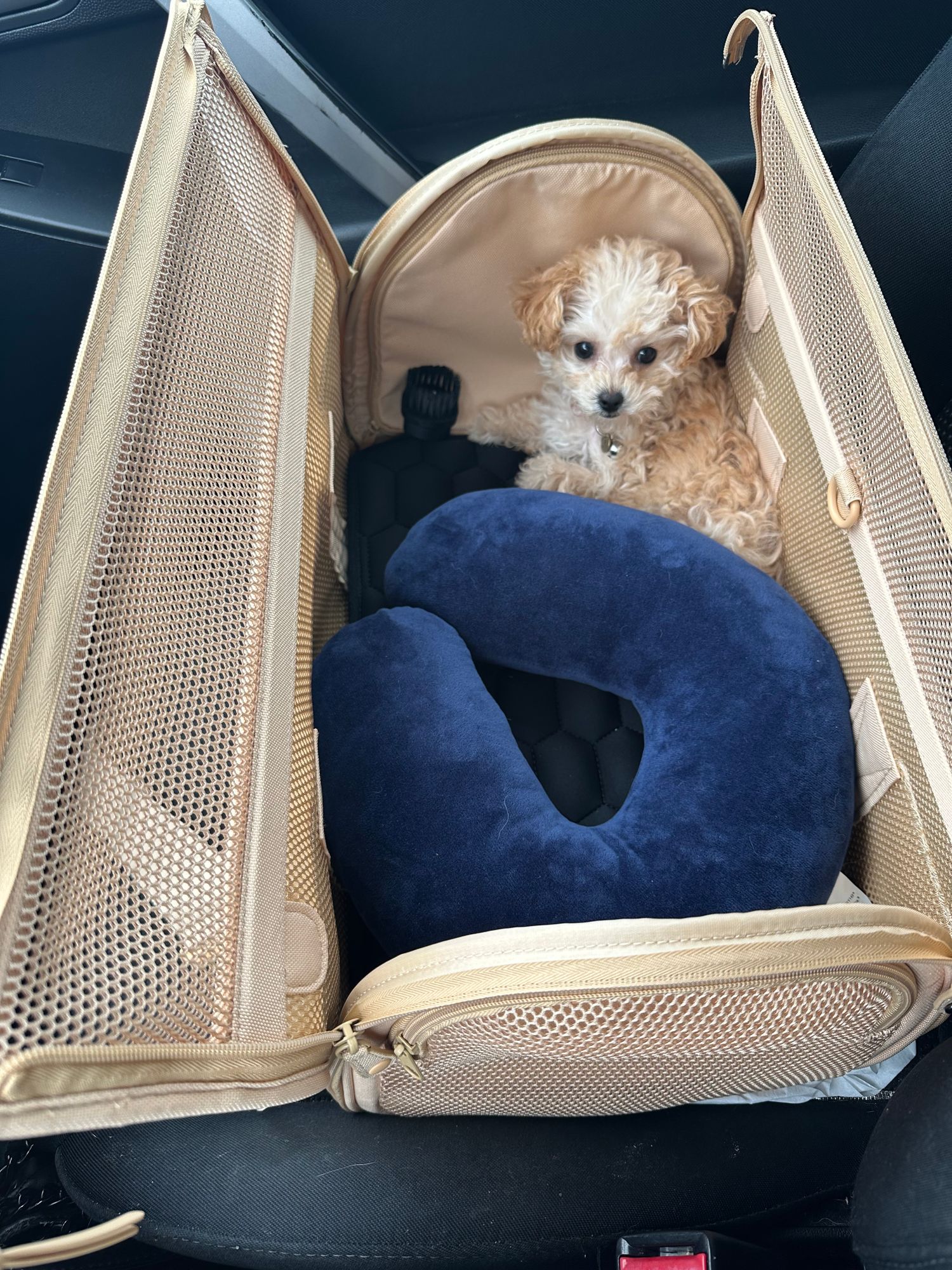
Selecting the appropriate carrier is crucial for your dog’s comfort and safety. Opt for a carrier that is both sturdy and spacious enough for your dog to stand, turn around, and lie down comfortably. A carrier with good ventilation is essential, especially for longer journeys. Before purchasing, check airline guidelines for carrier dimensions and requirements. A carrier that’s airline-approved ensures you won’t face any last-minute surprises at the airport. Remember, a comfortable dog is a happy travel companion.Acclimating Your Dog
Acclimating your dog to the carrier well in advance of your trip can alleviate travel anxiety. Start by placing the carrier in a familiar space at home with the door open, allowing your dog to explore it at their own pace. Encourage them by placing their favorite toy or a treat inside. Gradually, introduce short trips with your dog in the carrier. This helps them associate the carrier with positive experiences. Consistency is key, so make these practice runs a regular part of your pre-travel routine.Packing Essentials
Packing for your dog is as important as packing for yourself. Ensure you have all necessary documents, such as vaccination records and health certificates, as these are crucial when crossing international borders. Create a checklist of essentials like food, water, a portable bowl, and any medications your dog might need. Don’t forget their leash and collar with updated ID tags. Having a familiar blanket or toy can also provide comfort during the journey. Are there specific items your dog can’t travel without? Making a list helps avoid leaving anything important behind. With a little preparation, you can ensure your dog has everything they need for a comfortable journey to Canada.Border Crossing Tips
Traveling with your dog from the US to Canada requires careful preparation at the border. Knowing what to expect helps you avoid delays and stress. The border crossing process involves several steps designed to keep pets safe and meet legal requirements. Below are key tips for a smooth journey with your furry friend.
Customs Process
At the border, declare your dog clearly to customs officers. Have your pet’s documents ready, including vaccination records and health certificates. These papers prove your dog meets Canadian entry rules. Answer all questions honestly and calmly. Officers may ask about your dog’s breed, age, and vaccination history. Being organized speeds up the process.
Inspection Procedures
Customs officers may inspect your dog to check its health and identity. They look for signs of illness or injury. Officers might check the dog’s microchip or tag. A quick and gentle inspection helps avoid longer waits. Keep your dog calm by using a leash or carrier. Be patient and cooperative during these checks.
Common Challenges
- Missing or incomplete vaccination records can cause delays.
- Some breeds face extra restrictions or may be denied entry.
- Unfamiliar smells and loud noises can stress your dog.
- Long waits at the border may tire your pet.
- Not knowing the rules can lead to fines or denied entry.
Planning ahead and knowing these challenges helps you stay prepared. Bring extra water, treats, and a favorite toy to comfort your dog. Staying calm and organized makes the border crossing easier for both of you.
Travel Safety And Comfort
Traveling with your dog from the US to Canada requires careful attention to safety and comfort. Long journeys can be tough on pets. Planning ahead helps reduce risks and keeps your dog happy throughout the trip.
Focus on creating a calm environment. Keep your dog relaxed and comfortable. Also, maintain proper hydration and feeding schedules. Reduce stress by preparing for changes and surprises during travel.
Keeping Your Dog Calm
Choose a familiar blanket or toy for your dog. These items bring comfort and reduce anxiety. Speak softly and calmly to soothe your pet. Regular breaks allow your dog to stretch and breathe fresh air. Avoid loud noises and sudden movements. Use a well-ventilated crate or harness for safety.
Hydration And Feeding
Offer water regularly, especially during warm weather. Avoid feeding right before travel to prevent nausea. Bring small, healthy snacks for longer trips. Use a spill-proof water bowl to keep the area clean. Monitor your dog’s water intake to avoid dehydration. Pack enough food for the entire journey.
Avoiding Travel Stress
- Keep a consistent schedule for walks and rest.
- Limit exposure to unfamiliar people and animals.
- Use calming sprays or natural remedies if needed.
- Ensure your dog gets enough exercise before traveling.
- Prepare a travel kit with essentials like medications and waste bags.
- Talk to your vet about any health concerns before the trip.
Finding Dog-friendly Places
Finding dog-friendly places in Canada makes your trip smooth and fun. Dogs are part of the family. They deserve to enjoy the journey too. Canada offers many spots where dogs feel welcome and safe. From cozy stays to open parks and tasty stops, options abound. Knowing where to go helps you plan better and relax more.
Accommodations
Many hotels and rentals accept dogs without extra fuss. Some even provide special beds, bowls, and treats. Booking in advance secures a spot for you and your pet. Check the pet policy carefully before reserving. Small fees or weight limits may apply. Choose places near parks or walking paths for easy outings.
Parks And Trails
Canada has many parks where dogs can run and explore. Some allow off-leash play in designated areas. Trails vary from easy walks to challenging hikes. Always follow the rules and keep your dog safe. Bring water and waste bags to keep the area clean. Parks offer a great chance to bond and enjoy nature.
Restaurants And Cafes
Some eateries welcome dogs in outdoor seating areas. This lets you enjoy meals without leaving your dog behind. Many places provide water bowls and shaded spots. Check local rules about pets before entering. Finding dog-friendly dining spots adds fun to mealtime. Sharing these moments makes travel more special for both of you.
Credit: www.rd.com
Emergency Preparedness
Traveling to Canada with your dog means being ready for unexpected situations. Emergencies can happen anywhere, and having a plan can make a huge difference. Preparing ahead helps you stay calm and act quickly if your furry friend needs help.
Veterinary Services In Canada
Canada has many veterinary clinics, but not all are open 24/7. Before you travel, research vets near your destination and note their emergency contact details.
Some provinces have animal hospitals with emergency services. Keep a list on your phone and printed, just in case. Knowing where to go can save time and reduce stress during a crisis.
Travel Insurance
Does your pet insurance cover travel outside the US? If not, consider travel insurance that includes veterinary emergencies in Canada. This can help cover unexpected costs and give you peace of mind.
Check what’s included carefully—some policies cover accidents but not illnesses. Also, confirm if the insurance works with Canadian vets or requires reimbursement later.
First Aid Tips
Carry a basic pet first aid kit with essentials like bandages, antiseptic wipes, and tweezers. You never know when your dog might get a small cut or scrape during your trip.
Learn simple first aid skills such as how to stop bleeding or perform CPR on dogs. These skills can be lifesaving until professional help is available. Have you practiced pet first aid before traveling?
Returning To The Us With Your Dog
Returning to the US with your dog after a trip to Canada can feel just as important as the journey there. You want the process to be quick and stress-free for both you and your furry companion. Understanding the requirements and preparing in advance can make all the difference.
Re-entry Requirements
When crossing back into the US, your dog must meet certain health and vaccination standards. The most critical requirement is proof of a current rabies vaccination. Dogs younger than three months old may have different rules, so check before you travel.
Additionally, the US Centers for Disease Control and Prevention (CDC) may require other vaccinations or health checks depending on your dog’s age and breed. Make sure your dog is healthy and free of parasites before heading home to avoid any issues at the border.
Documentation Checks
Customs officers will ask for your dog’s vaccination records and possibly a health certificate issued by a licensed veterinarian. Keep these documents handy in your carry-on or easily accessible folder.
It’s a good idea to have multiple copies of your dog’s paperwork. This way, if one set gets misplaced during your travels, you still have backups. Have you ever faced delays because of missing documents? Being over-prepared can save you from that hassle.
Tips For Smooth Return
- Arrive early:Give yourself extra time at the border to handle any unexpected checks without stress.
- Keep your dog calm:Use familiar toys or treats to soothe your pet during the wait.
- Plan bathroom breaks:Dogs need to relieve themselves before long waits; find a spot near the border if possible.
- Check border hours:Some crossing points have limited operating hours that might affect your timing.
One time, I underestimated border wait times and my dog got restless. I learned to always pack his favorite chew toy and a collapsible water bowl. What small changes could you make to improve your own return journey?
Frequently Asked Questions
What Documents Are Required To Bring A Dog To Canada?
You need a valid rabies vaccination certificate and a microchip for your dog. A health certificate from a licensed vet is also required within 10 days of travel. These documents ensure your dog meets Canada’s import requirements.
Are There Any Quarantine Rules For Dogs Entering Canada?
No quarantine is required for dogs entering Canada from the US, provided they meet all health and vaccination requirements. Ensure your dog is healthy and has proper documentation to avoid delays at the border.
Can I Bring My Dog On A Plane To Canada?
Yes, most airlines allow dogs on flights to Canada. Check airline policies for crate requirements, fees, and reservations. Your dog must meet Canadian import regulations regardless of travel mode.
How To Prepare My Dog For The Trip To Canada?
Prepare your dog by visiting the vet for vaccinations and health checks. Bring familiar items like toys and blankets to reduce anxiety. Ensure proper hydration and exercise before travel for a smooth journey.
Conclusion
Traveling to Canada with your dog takes some planning. Prepare all documents and health records carefully. Check pet rules for airlines and border control. Bring familiar items to keep your dog calm. Stay patient during the journey and breaks. Enjoy the trip and explore Canada together.
Safe travel makes happy memories for both.